
Full Facelift in Brazil: Choosing the Right Scope and Sequence

A full facelift is not a standard package. Learn how brow, eyelids, midface, lower face, neck, volume and skin are combined, limited or staged.
Facial Fat Grafting in Brazil: Technique, Retention and Risks

Facial fat grafting restores selected structural volume but cannot lift descended tissue. Understand placement, variable retention, prior fillers and vascular risks.
Deep Neck Surgery in Brazil: Anatomy, Risks and Travel

Deep Neck surgery treats selected structures beneath the platysma. Review candidacy, gland and digastric decisions, risks and travel planning.
When Is Silicone Really Necessary: The Ultimate Decision Guide

Choosing to undergo a body transformation is a deeply personal and significant choice. One of the most frequent questions patients ask when planning a cosmetic or reconstructive procedure is: when is silicone really necessary? With modern advancements in medical technology and surgical techniques, implants are no longer the only option available, but they remain the […]
Facial Skin-Tightening Devices: Evidence, Limits and Risks
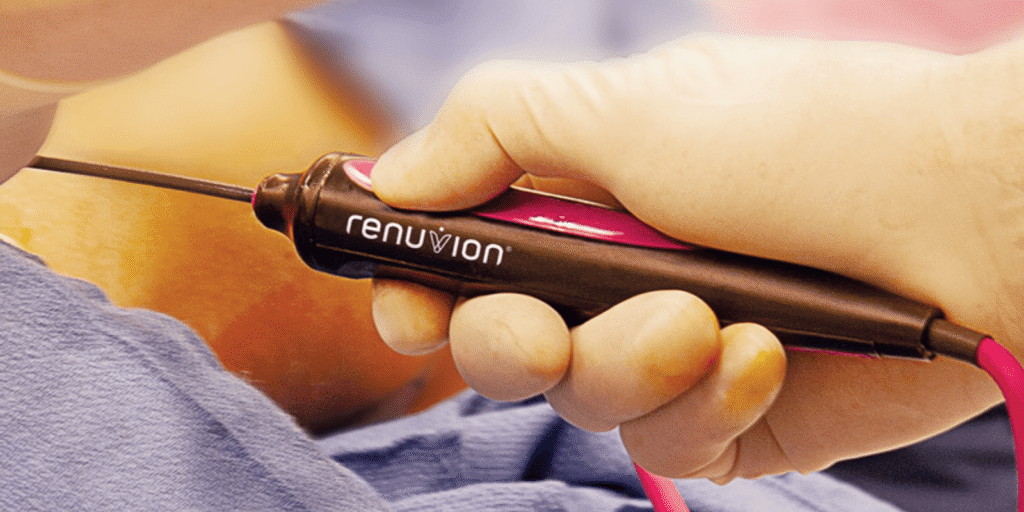
Laser, radiofrequency and focused ultrasound may improve selected skin concerns, but they cannot reproduce surgical tissue repositioning.
Plastic Surgery Safety: How the Surgical Team Reduces Risk

Safe plastic surgery depends on patient selection, coordinated hospital care, anesthesia, nursing and postoperative follow-up—not on one technique alone.
Ocular Vector Before Lower Blepharoplasty: Why It Matters
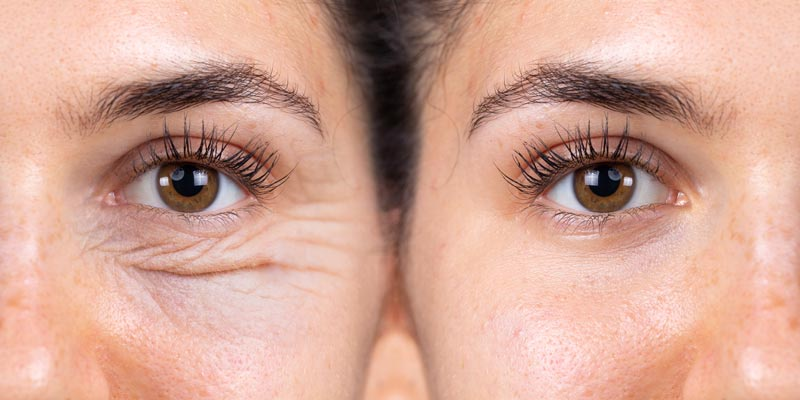
Ocular vector is one part of lower-eyelid planning. Lid tone, canthal support, dry eye, midface anatomy and previous procedures also shape risk.
Blepharoplasty or Brow Lift? Four Findings That Change the Plan
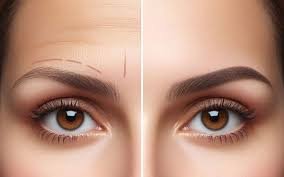
Upper-eyelid heaviness may come from skin, brow position, ptosis or volume loss. Learn which clinical findings change the surgical plan.
Facelift Risks: Reduction, Warning Signs and Safety

Facelift risks can be reduced but not eliminated. Understand hematoma, nerve symptoms, skin healing, warning signs and international recovery planning.
The Overtreated Face: Diagnosis, Ultrasound and When to Pause

An overtreated appearance may reflect filler, edema, device injury, surgical vectors or accumulated procedures. Diagnosis should precede correction.
Facial Fat Grafting Research: Evidence, Limits and Experimental Uses

Research supports selected uses of microfat and nanofat, but regenerative claims and cell-enriched techniques require careful interpretation and stronger evidence.
Facial Rejuvenation Options: Surgery, Volume and Skin

Facial rejuvenation should separate tissue descent, volume loss, skin quality and muscle activity. Learn what each treatment can realistically change.
