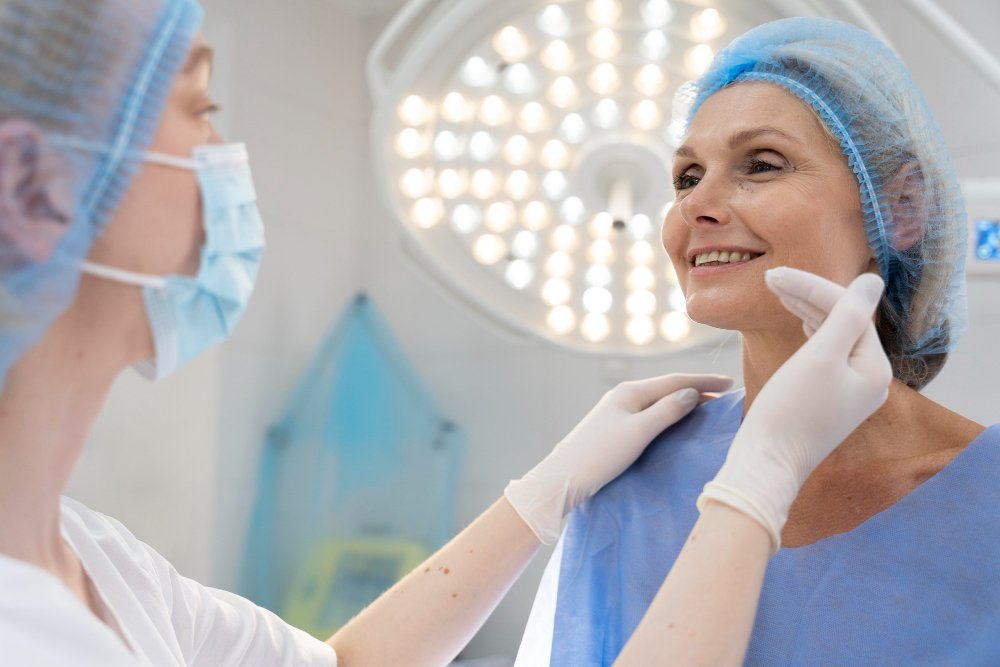
Fat grafting’s future stands as one of the most exciting and rapidly evolving sectors within modern aesthetic and reconstructive medicine. As patients worldwide increasingly demand natural-looking results, the reliance on synthetic materials is shifting toward autologous solutions. Using a patient’s own tissue to restore volume, contour faces, and rejuvenate skin is no longer just an alternative option; it is becoming the primary gold standard for long-lasting, biologically compatible enhancement.
The foundation of fat grafting’s future lies in the remarkable versatility of adipose tissue. Historically, fat transfer was viewed simply as a filler alternative, prone to unpredictable reabsorption rates. Early procedures often saw significant percentages of the transferred fat fade away within months. However, decades of rigorous clinical research and technological refinement have completely transformed the predictability, safety, and longevity of these procedures, paving the way for an era where fat is treated as a living, dynamic graft.
The Evolution of Harvesting and Processing Techniques
To truly appreciate where fat grafting’s future is headed, one must look at how the harvesting and processing of tissue have changed. In the past, aggressive liposuction techniques often damaged the delicate fat cells before they could even be reinjected. Modern protocols utilize low-pressure, gentle manual extraction methods designed explicitly to preserve the structural integrity of the adipocytes.
Once harvested, the processing phase is where the real scientific magic happens. Advanced filtration, centrifugation, and washing systems allow specialized surgeons to separate pure, healthy fat cells from unwanted fluids, oil, and debris. This meticulous preparation ensures that only the highest quality tissue is selected for reinjection, which directly correlates with significantly higher cell survival rates and beautiful, seamless integration into the target area.
The Power of Stem Cells and Regenerative Medicine
The true catalyst behind fat grafting’s future is the integration of regenerative medicine, specifically the utilization of Adipose-Derived Stem Cells (ADSCs). Adipose tissue is one of the richest sources of adult stem cells in the human body. When these cells are transferred along with the fat grafts, they do far more than just add physical volume; they actively stimulate the surrounding tissues to heal, regenerate, and improve from within.
These stem cells trigger angiogenesis, which is the formation of new blood vessels. This new vascular network is absolutely critical because it supplies the newly transplanted fat cells with oxygen and essential nutrients, ensuring their long-term survival. For individuals who wish to explore the absolute cutting-edge of these natural, structurally advanced techniques, you can find world-class care and deeper insights by visiting Belvivere.
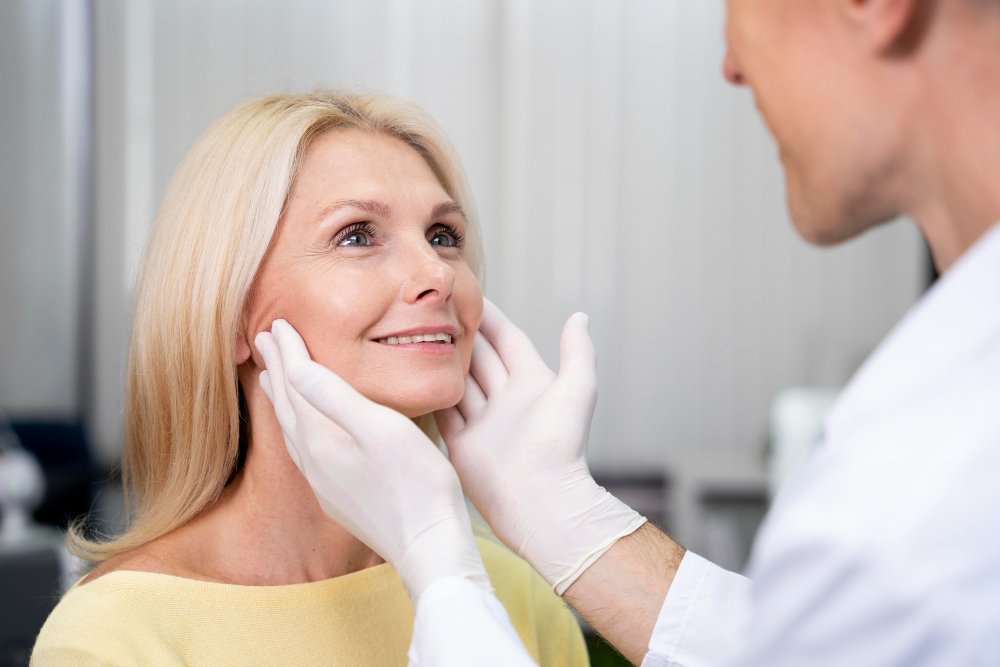
Redefining Facial Rejuvenation Through Fat Grafting’s Future
Nanofat and Microfat: Precision Engineering in Aesthetics
As we look deeper into fat grafting’s future, the categorization of fat by particle size has revolutionized how detailed procedures can be. Traditional structural fat grafting (macrofat) is excellent for restoring large-scale volume deficits, such as deep cheek hollows or temples. However, the introduction of microfat and nanofat has opened up entirely new possibilities for delicate, high-precision areas.
Microfat consists of tiny, finely shifted fat particles that can be precisely injected into sensitive regions like the under-eye troughs or the fine lines around the mouth. Nanofat, on the other hand, is an ultra-emulsified liquid form of fat that contains virtually no intact fat cells but is packed with stem cells, growth factors, and extracellular matrix. Nanofat is injected superficially into the dermis, acting as a powerful biological skin booster to erase fine wrinkles, correct hyperpigmentation, and repair sun-damaged skin.
The Synergistic Approach to Face and Body Contouring
Another key aspect of fat grafting’s future is the hybrid approach, which seamlessly blends traditional surgical lifting with biological volumization. A facelift alone can tighten sagging skin, but it cannot restore the youthful volume lost to bone resorption and fat atrophy. By combining a deep-plane lift with targeted fat transfer, surgeons can create a fully comprehensive, three-dimensional rejuvenation that looks completely natural and moves effortlessly with emotion.
This sophisticated philosophy is why global medical tourism for aesthetic enhancement has grown so rapidly. Patients are traveling across borders to find surgeons who masterfully implement these hybrid protocols. To understand how these techniques are safely executed by top-tier professionals on an international scale, you can research the advanced standards of Plastic Surgery in Brazil, a region highly celebrated for leading global innovations in body and facial contouring.
Sustainability and Longevity: A Lifetime Investment
Unlike temporary dermal fillers that require continuous maintenance every six to twelve months, fat grafting’s future promises an entirely different lifestyle advantage. Once the transferred fat establishes a blood supply and successfully integrates into its new environment, those cells become a permanent part of the anatomy. They will age naturally alongside the patient, gaining or losing volume in perfect sync with the rest of the body.
This permanence makes the procedure highly cost-effective and physically less demanding over a lifetime. Patients no longer need to endure frequent, repetitive injections to maintain their look. The psychological peace of mind that comes with knowing your enhanced appearance is entirely your own natural tissue is a major driving force behind the immense popularity of modern autologous transfers.
Safety Profiles and Biocompatibility
Because the procedure utilizes the patient’s own organic material, the risk of allergic reactions, foreign body rejection, or late-stage granulomas is completely eliminated. This unparalleled safety profile is a core reason why fat grafting’s future is so incredibly bright. It provides an elegant solution for patients who are hesitant about synthetic implants or chemical injectables, offering a fully bio-compatible alternative that aligns with a holistic wellness lifestyle.
To fully appreciate the real-world impact of these advanced, natural methodologies, it helps to review actual clinical outcomes. Seeing how the skin texture improves and how volume is restored naturally gives patients a clear picture of what is possible. You can Check out the results of some patients. to witness firsthand how modern autologous science translates into soft, elegant, and beautifully balanced transformations.
- Gentler harvesting and processing methods that boost fat cell survival rates.
- Adipose-derived stem cells (ADSCs) that trigger angiogenesis and support tissue regeneration.
- Nanofat and microfat techniques for precise, delicate volume correction.
- Hybrid protocols combining deep-plane lifts with targeted fat transfer for three-dimensional rejuvenation.
Overcoming Challenges and Looking Ahead
Standardizing Protocols for Predictable Outcomes
While the benefits are vast, achieving consistent excellence in fat grafting’s future requires rigorous adherence to standardized medical protocols. Factors such as donor site selection, centifugation speeds, and injection cannula sizes all play an interconnected role in the final survival rate of the cells. Continuous education and specialized surgical training are essential to ensuring that every patient receives optimal, highly predictable results.
The Future Role of Tissue Engineering and 3D Bioprinting
Looking even further ahead, the intersection of fat grafting’s future with 3D bioprinting and cellular scaffolds represents the ultimate frontier. Scientists are currently researching ways to combine a patient’s harvested adipose stem cells with biocompatible matrices to pre-shape custom tissues before implantation. This could soon allow for precise, large-scale reconstructions for post-mastectomy breast cancer patients or individuals recovering from severe trauma.
Fat Grafting Techniques by Particle Size
| Fat Type | Particle Size | Best Used For |
|---|---|---|
| Macrofat (Structural) | Largest particles | Large-scale volume deficits like deep cheek hollows |
| Microfat | Finely refined particles | Delicate areas like under-eye troughs and fine lines |
| Nanofat | Ultra-emulsified, virtually no intact cells | Superficial skin quality improvement and pigmentation |
Frequently Asked Questions
How is fat grafting different from traditional dermal fillers?
Because fat grafting uses the patient’s own tissue, once it establishes a blood supply it becomes a permanent part of the anatomy, unlike temporary fillers that require maintenance every six to twelve months.
What are nanofat and microfat used for?
Microfat is used for precise injections into delicate areas like under-eye troughs, while nanofat is an ultra-emulsified liquid rich in stem cells and growth factors used to improve skin texture and treat fine wrinkles.
Is fat grafting safe compared to synthetic implants?
Yes. Because it uses a patient’s own organic material, fat grafting eliminates the risk of allergic reactions, foreign body rejection, or late-stage granulomas associated with synthetic materials.
Embracing a New Era of Personal Autonomy
Ultimately, fat grafting’s future represents a profound shift toward celebrating personal authenticity. It moves away from the era of over-filled, artificial trends and anchors itself firmly in the preservation of individual beauty. By leveraging the body’s innate healing mechanisms and structural materials, modern aesthetic specialists are capable of delivering life-changing results that are safe, enduring, and remarkably natural.
As technology continues to advance, the boundaries of what can be accomplished with a patient’s own tissue will only expand further. For those seeking to rejuvenate their appearance or restore lost structural balance, understanding the vast potential of fat grafting’s future offers an empowering glimpse into a highly advanced, gentle, and scientifically sophisticated world of personal transformation.