Facial Fat Grafting has revolutionized the field of aesthetic medicine, offering a natural and long-lasting solution for those looking to restore youthfulness to their appearance. As we age, our faces naturally lose volume, leading to hollow cheeks, deep wrinkles, and a tired look. While temporary dermal fillers have been the go-to option for years, Facial Fat Grafting provides an autologous alternative that uses your own tissue to sculpt, contour, and revitalize your facial features.
By transferring fat from areas with a surplus—such as the abdomen, flanks, or thighs—directly into the face, specialized plastic surgeons can rebuild structural support. This comprehensive guide will explore everything you need to know about the procedure, from the science behind it to the recovery process and long-term expectations.
What is Facial Fat Grafting?
At its core, Facial Fat Grafting (also known as fat transfer or lipofilling) is a surgical technique that moves fat from one part of the body to another. The primary goal is to restore lost volume, smooth out deep creases, and improve overall facial contours. Because the procedure utilizes your own fat cells, there is virtually zero risk of an allergic reaction or rejection, making it an incredibly safe and biocompatible option.
The process is highly detailed and requires an artistic eye. A surgeon must carefully harvest the fat, purify it to isolate the healthiest fat cells, and then meticulously inject it into precise layers of the facial tissue. This ensures that the transferred fat establishes a new blood supply, allowing the cells to survive permanently in their new location.
The Ultimate Structural Benefits of Facial Fat Grafting
When considering facial rejuvenation, it is important to understand how structural changes impact your appearance. Unlike topical treatments that only address the surface of the skin, Facial Fat Grafting works from the inside out.
Why Facial Fat Grafting Outperforms Temporary Fillers
Temporary synthetic fillers are excellent for quick touch-ups, but they require ongoing maintenance every few months. In contrast, Facial Fat Grafting offers a permanent solution once the transferred fat successfully integrates into the target areas.
Natural Look and Feel: Because it is your own living tissue, the injected area moves naturally with your facial expressions. There is no risk of the “frozen” or overly synthetic look that can sometimes occur with excessive chemical fillers.
Skin Quality Improvement: Research indicates that harvested fat tissue is rich in stem cells. When these cells are placed into the face during a Facial Fat Grafting procedure, they stimulate collagen production and improve the overall texture, tone, and radiance of the overlying skin.
Cost-Effective Long-Term: While the initial investment for a surgical fat transfer is higher than a single syringe of filler, the longevity of the results means you save money over time by eliminating the need for bi-annual maintenance appointments.
Common Areas Treated During the Procedure
The versatility of this technique allows surgeons to address multiple facial zones in a single session. The most common target areas include:
The Cheeks and Midface: Restoring the rounded, youthful contours of the cheekbones.
Under the Eyes (Tear Troughs): Filling in deep hollows that create dark circles and a perpetually fatigued appearance.
Nasolabial Folds and Marionette Lines: Softening the deep creases that run from the nose to the mouth and down to the chin.
The Lips: Adding subtle, soft volume to thinning lips without the stiffness of some synthetic gels.
The Temples: Correcting the hollowed-out look in the upper face that often exacerbates the appearance of aging.
Step-by-Step: The Surgical Process
Understanding what happens during the procedure can help ease any anxiety you might feel. A typical session involves three distinct, highly controlled steps.
[Harvesting Fat via Liposuction] ➔ [Purification & Processing] ➔ [Precise Injection to the Face]
1. Harvesting the Donor Fat
The first step involves gentle liposuction to collect fat from a pre-determined donor site, such as the belly or thighs. This is done using specialized, low-pressure cannulas to ensure the delicate fat cells remain intact and viable for transfer.
2. Purification and Processing
Once harvested, the fat cannot be injected immediately. It must be placed into a centrifuge or filtered to separate the pure, healthy fat cells from unwanted fluids, oil, and damaged tissue. Only the highest quality fat is prepared for the facial injection phase.
3. Strategic Re-Injection
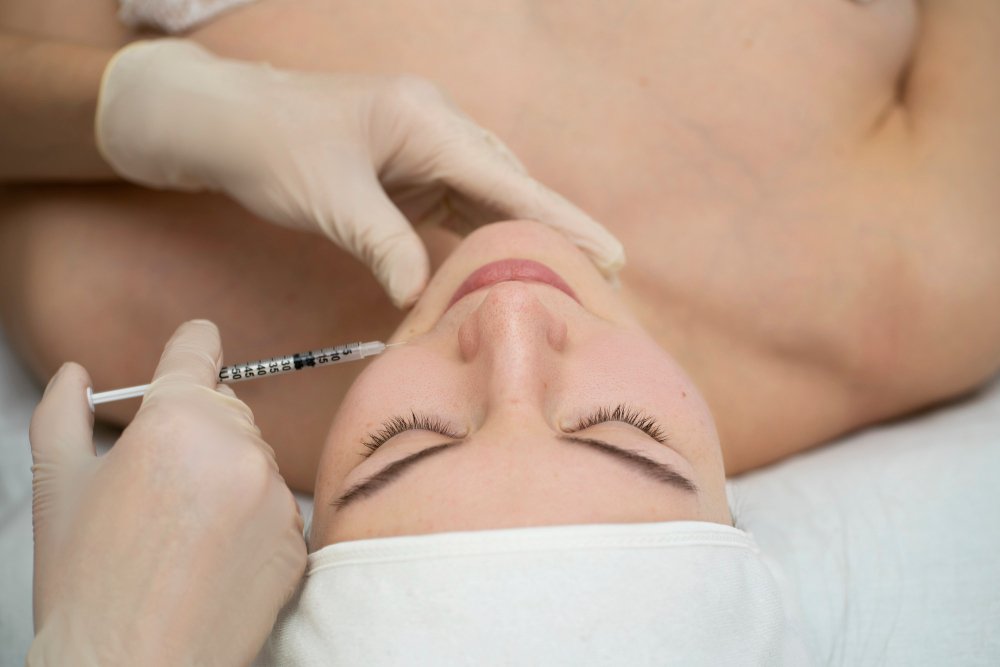
Using incredibly fine micro-cannulas, the surgeon meticulously injects the purified fat into the targeted facial areas. The fat is placed in tiny droplets across multiple tissue layers. This advanced technique ensures that each droplet has maximum contact with surrounding tissues, which is vital for securing a blood supply and ensuring long-term survival.
Recovery and Long-Term Results
The recovery timeline following a Facial Fat Grafting procedure is relatively straightforward, though it does require patience as your body heals and stabilizes.
What to Expect Immediately After Surgery
In the first few days following surgery, you will experience swelling and mild bruising at both the donor site and the injection sites on your face. This is completely normal. Surgeons often slightly over-correct the volume during the injection phase, knowing that a percentage of the transferred fat will naturally be reabsorbed by the body over the first few weeks.
Pro Tip: Keep your head elevated, even while sleeping, during the first week of recovery to significantly reduce swelling and accelerate the healing process.
The Final Outcome
By week three or four, the majority of the swelling will have subsided, revealing a much clearer picture of your new look. Around six months post-procedure, the remaining fat cells will have fully established themselves. At this stage, the results of your Facial Fat Grafting are considered permanent. These cells will behave exactly like the rest of the fat cells in your body, meaning they will expand or shrink naturally if you gain or lose weight.
Choosing the Right Clinic for Your Journey
Achieving natural, balanced, and elegant results requires a high level of surgical expertise and an artistic eye. Selecting the right medical team is the most critical decision you will make.
If you are looking for world-class care and exceptional expertise, you can find top-tier specialists at Belvivere. For international patients seeking premium care abroad, exploring Plastic Surgery in Brazil provides access to internationally recognized techniques and highly personalized treatment plans.
To visualize what this transformative procedure can do for you, Check out the results of some patients who have undergone successful treatments. Seeing real-life transformations can help you form realistic expectations and inspire your own aesthetic goals.
Frequently Asked Questions
Is the procedure painful?
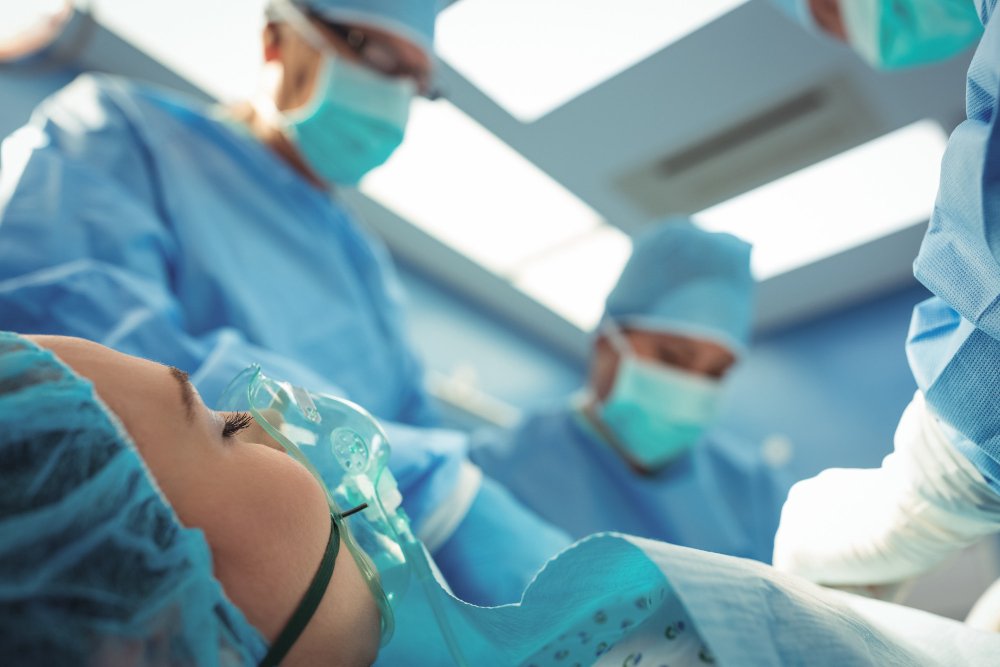
Most patients experience only mild discomfort rather than severe pain. The harvesting and injection areas are numbed with local anesthesia, and oral sedation or general anesthesia is often used to ensure you remain completely comfortable throughout the process.
How long do the results of Facial Fat Grafting last?
Once the transferred fat cells successfully integrate and establish a blood supply (typically within the first few months), they stay there permanently. However, while the grafted fat is permanent, your face will continue to age naturally over time.
Can it be combined with other procedures?
Absolutely. It is incredibly common to combine a fat transfer with surgical options like a facelift or a brow lift to address both skin sagging and volume loss simultaneously for a total facial rejuvenation.