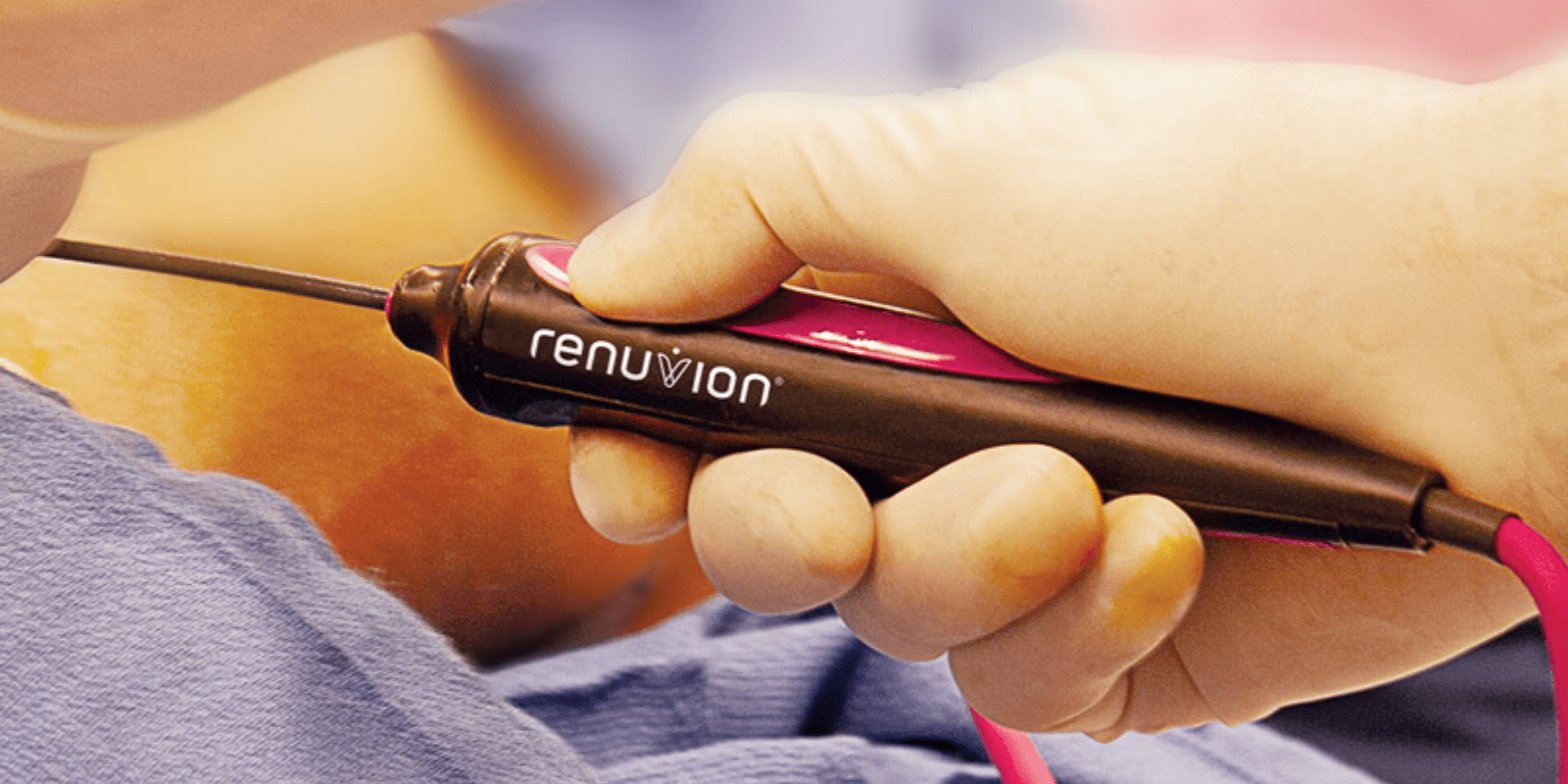
The search for firm and rejuvenated skin has led thousands of people to question the effectiveness of new aesthetic procedures. In a market flooded with options, the question everyone is asking is: skin tightening technologies: do they really work? With modern advancements in dermatological and surgical science, promising non-invasive and minimally invasive solutions exist today, but it is essential to understand what science says about each one of them.
Understanding how energy-based devices operate helps us comprehend whether skin tightening technologies: do they really work in practice. Natural aging, sudden weight loss, and genetics reduce the production of collagen and elastina, the proteins responsible for skin support. Throughout this article, we will thoroughly explore the main available technologies, their real results, limitations, and how to choose the best approach for your specific case.
1. What Are Skin Tightening Technologies and How Do They Work?
To answer whether skin tightening technologies: do they really work, we first need to look at the mechanism of action behind these devices. Most of these platforms use controlled heat to induce a biological response within the skin tissue.
The Mechanism of Collagen Stimulation
When the deeper layers of the skin are heated to a specific temperature (usually between 40°C and 65°C), an immediate contraction of existing collagen fibers occurs. Furthermore, this controlled thermal stress activates fibroblasts, which are the cells responsible for producing new support proteins. Therefore, if you wonder whether skin tightening technologies: do they really work, the initial answer is yes—microscopically, they trigger neocollagenesis.
Immediate vs. Long-Term Results
Many patients notice a “Cinderella effect” right after the first session due to mild swelling and immediate collagen contraction. However, true tissue remodeling takes time. The definitive results usually appear between three to six months after treatment, a period during which the new collagen matures and reorganizes within the dermis.
2. The Main Technologies on the Market: Skin Tightening Technologies: Do They Really Work?
Different energy sources are used to combat sagging skin. Let’s analyze the three most popular categories to assess whether these skin tightening technologies: do they really work consistently across various areas of the body and face.
- Radiofrequency (monopolar, bipolar, and microneedling) – heats deep skin layers to improve fine wrinkles and mild sagging.
- High-Intensity Focused Ultrasound (HIFU) – targets the SMAS layer for jawline and double chin tightening.
- Laser technologies (fractional and endolaser) – renew the skin surface or melt localized fat and tighten tissue from within.
Radiofrequency (Monopolar, Bipolar, and Microneedling)
Radiofrequency delivers electromagnetic energy to heat the deep layers of the skin without damaging the epidermis (the superficial layer). The microneedling version combines sterile gold-plated needles with the emission of energy directly into the deep dermis. Clinics around the world utilize this method, showing that when it comes to treating fine wrinkles and mild sagging, these variations of skin tightening technologies: do they really work bring excellent satisfaction rates.
High-Intensity Focused Ultrasound (HIFU)
Focused ultrasound can reach depths that other technologies cannot, targeting the SMAS (Superficial Muscular Aponeurotic System), which is the exact same layer that plastic surgeons lift during a facelift. By reaching such deep points and creating thermal coagulation zones, researchers confirm that for the jawline and double chin, these modalities of skin tightening technologies: do they really work with great efficacy.
Laser Technologies (Fractional and Endolaser)
Lasers operate by emitting concentrated beams of light. While fractional lasers renew the surface and stimulate the upper dermis, the endolaser (an optical fiber inserted beneath the skin) melts localized fat and tightens the tissue from the inside out. In combating moderate sagging skin after liposuction, these branches of skin tightening technologies: do they really work have revolutionized the surgical market.
3. Factors That Influence Real Results
If science proves collagen stimulation, why do some people feel that the treatments failed? Real efficacy depends on crucial individual variables.
Success Variables:
├── Degree of Sagging (Mild, Moderate, or Severe)
├── Age and Collagen Production Capacity
├── Lifestyle (Smoking, Sun Exposure, and Diet)
└── Professional's Choice and Device Calibration
The Degree of Skin Laxity
This is the most critical point in determining whether skin tightening technologies: do they really work for you. Patients with mild to moderate laxity show excellent responses. On the other hand, if there is a large excess of skin resulting from massive weight loss or advanced aging, technologies will not be able to retract the tissue on their own, making a surgical approach necessary.
Lifestyle Habits and Nutrition
Your body needs raw materials to build collagen. A diet poor in protein, smoking (which destroys the skin’s blood vessels), and high sun exposure without protection will sabotage the effects of any machine. Therefore, lifestyle directly dictates whether skin tightening technologies: do they really work within your body.
4. When Technology Meets Plastic Surgery
Often, the answer to maximum efficacy lies in combining advanced aesthetic procedures with traditional surgical techniques.
Combined Treatments in the Operating Room
Today, the best skin tightening technologies are used in conjunction with high-definition liposuction. The surgeon removes localized fat and, immediately after, applies internal radiofrequency or plasma technology to stick the skin back to the muscle. This union demonstrates how skin tightening technologies: do they really work when integrated into larger treatment plans.
The Importance of a Specialized Diagnosis
For those seeking the highest standards of safety and natural-looking results, undergoing an evaluation with specialists in Plastic Surgery in Brazil is a true differentiator, given that the country is a global reference in the mapping and surgical-technological treatment of body and facial flaccidity.
5. How to Choose the Ideal Treatment Safely?
Investing in your self-esteem requires caution. The market is full of counterfeit machines that fail to deliver the required power and put your health at risk.
Avoid Miraculous Promises
When researching whether skin tightening technologies: do they really work, be wary of clinics promising results identical to a plastic surgery without incisions. Legitimate medical devices attenuate sagging and improve firmness, but they do not remove three centimeters of excess skin.
Look for Certified and Renowned Clinics
Correct calibration of the machine and the operator’s technique prevent unwanted burns and scars. To discover a cutting-edge medical structure that prioritizes patient safety and uses next-generation technologies backed by regulatory bodies like Anvisa and the FDA, it is highly worthwhile to visit the portal of Belvivere, a benchmark in body and facial treatments.
Understanding the limits of each platform ensures that you do not spend resources on unrealistic expectations. Joining a proper medical indication with the correct use of these tools is the real secret to proving on your own skin that skin tightening technologies: do they really work. To observe real transformations and see how the union of science and medicine rebuilds body contours harmoniously, Check out the results of some patients.
Frequently Asked Questions
How long does it take to see results from skin tightening treatments?
Some tightening is visible immediately due to swelling and collagen contraction, but true results from new collagen production typically appear between three and six months after treatment.
Can these technologies replace a facelift or surgery?
No. They work best for mild to moderate skin laxity; a large excess of skin from major weight loss or advanced aging generally requires a surgical approach.
What can reduce the effectiveness of skin tightening treatments?
Smoking, excessive sun exposure, and a diet low in protein can all sabotage collagen production and diminish treatment results.
Final Thoughts on Skin Firmness
In summary, skin tightening technologies truly work, provided they are applied to the right patient, by the right professional, and with aligned expectations. They are extraordinary tools for preventing aging, treating initial sagging, and optimizing surgical outcomes. Schedule a consultation with a specialist physician, get a detailed assessment of your collagen, and design a personalized plan to restore firmness and vitality to your skin.