
Hybrid Blepharoplasty: What It Treats—and What It Cannot
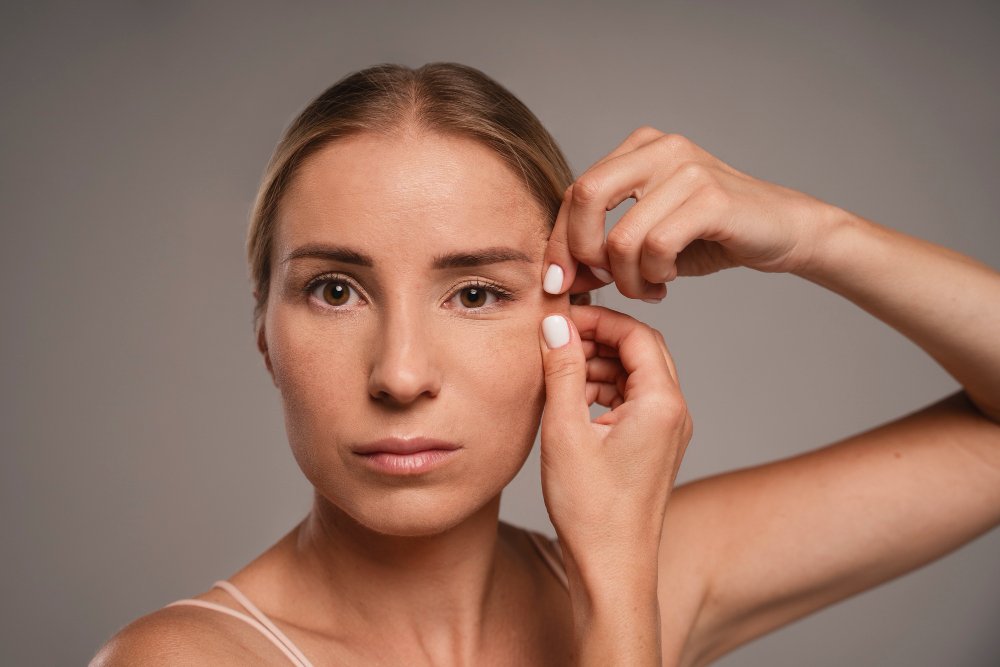
Hybrid Blepharoplasty evaluates skin, muscle, fat, brow position, eyelid support, volume and skin quality while preserving eyelid function.
Choosing Facial Rejuvenation Procedures by Anatomy

Natural facial rejuvenation begins by separating tissue descent, volume loss, eyelid and brow changes, neck anatomy and skin quality.
Microfat vs Nanofat: Uses, Differences and Limitations

Microfat restores selected facial volume; nanofat is used for selected superficial skin concerns. Compare their processing, uses, evidence, risks and recovery.
Facial Fat Grafting: Indications, Retention, Risks and Recovery

Learn what facial fat grafting can treat, why retention varies, how previous fillers affect planning, and what risks and recovery patients should expect.
How Fat Is Prepared for Facial Grafting: Harvesting to Placement
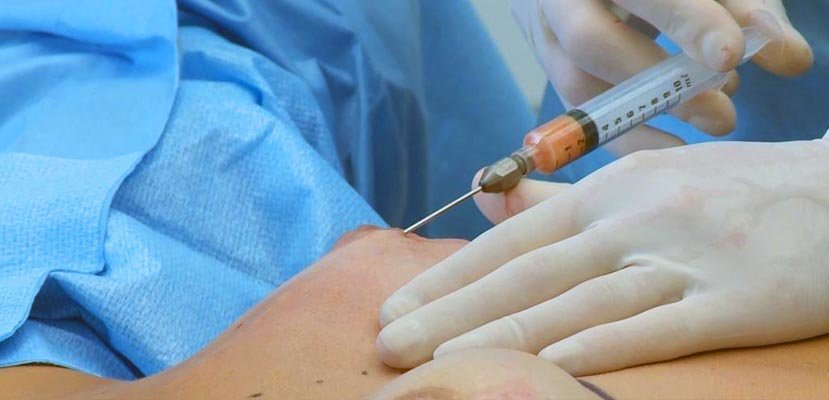
Understand how facial fat is harvested, processed and placed; the difference between microfat and nanofat; and why retention and safety vary.
Hybrid Blepharoplasty: How Components Are Selected

Hybrid Blepharoplasty separates eyelid skin, brow descent, ptosis, bags, support, volume, edema and skin quality before selecting each component.
Upper, Lower and Hybrid Blepharoplasty: Choosing by Anatomy

Upper, lower and Hybrid Blepharoplasty treat different combinations of skin, fat, support, volume and eye function. Diagnosis determines the components.
Facial Rejuvenation Sequencing: Position, Volume or Skin First?

Facial rejuvenation should follow the dominant anatomical problem. Learn when to treat inflammation, tissue position, volume and skin—and when staging is safer.
Facial Fat Grafting in Brazil: Technique, Retention and Risks

Facial fat grafting restores selected structural volume but cannot lift descended tissue. Understand placement, variable retention, prior fillers and vascular risks.
Facial Fat Grafting Research: Evidence, Limits and Experimental Uses

Research supports selected uses of microfat and nanofat, but regenerative claims and cell-enriched techniques require careful interpretation and stronger evidence.
