How fat is prepared for facial grafting is a fundamental question for anyone looking to restore youthful volume to the face without relying on synthetic dermal fillers. As we age, our faces naturally lose deep fat pads, leading to hollow temples, sunken under-eyes, and more noticeable nasolabial folds. Autologous fat transfer offers a natural, permanent alternative by using a patient’s own tissue to rebuild these contours. However, the success and longevity of the procedure depend heavily on what happens between harvesting the cells and injecting them. Understanding how fat is prepared for facial grafting helps patients appreciate the meticulous laboratory protocols required to ensure optimal cell survival and smooth, natural results.
If you are looking for world-class surgical care and advanced tissue preparation, finding an experienced clinical team is key. To learn more about modern plastic surgery techniques and international patient care, you can visit Belvivere. Selecting a premier medical center ensures that your procedure is performed with the highest safety standards and precision.
The Three Core Phases of Autologous Fat Transfer
To truly understand how fat is prepared for facial grafting, the procedure can be broken down into three essential surgical phases. Each step must be executed with extreme care to protect the delicate living adipose cells from trauma.
[Phase 1: Gentle Harvesting] -> Low-Pressure Manual Liposuction
|
[Phase 2: Purifying the Tissue] -> Centrifugation, Washing, or Filtration
|
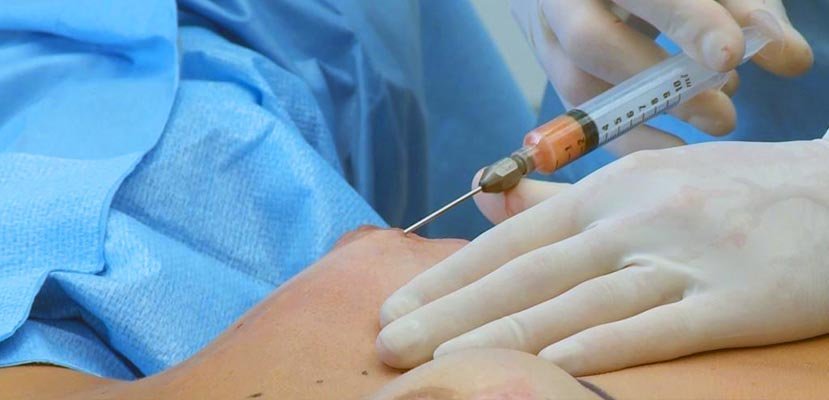
[Phase 3: Strategic Infiltration] -> Micro-Droplet Injection into Facial Layers
Adipose tissue is highly sensitive to changes in pressure, temperature, and environmental exposure. If the cells are handled roughly during any part of the process, they will burst and die. Dead fat cells cannot integrate into the face and are simply reabsorbed by the body, which reduces the lasting impact of the procedure. This biological reality highlights exactly how fat is prepared for facial grafting as a highly technical, laboratory-focused discipline within modern plastic surgery.
Phase 1: Low-Pressure Harvesting
The process begins by collecting healthy fat cells from a donor site on the body, typically the abdomen, flanks, or inner thighs.
Manual Syringe Aspiration: Instead of using high-powered mechanical pumps standard in traditional body contouring, surgeons use gentle, manual syringe suction.
Specialized Cannulas: Tiny cannulas with specialized side-ports are used to harvest small clusters of fat, minimizing trauma right from the start.
The Role of Tumescent Fluid
Before harvesting, the donor area is injected with a customized tumescent solution containing saline, lidocaine, and epinephrine. This solution numbs the area, constricts local blood vessels to minimize bleeding, and helps loosen the fat cells. This step is a vital precursor to how fat is prepared for facial grafting, as it keeps the harvested material clean and free from heavy blood contamination.
Processing and Refining: The Heart of Cell Survival
Centrifugation vs. Filtration: How Fat Is Prepared for Facial Grafting
Once the tissue is collected, it cannot be injected into the face immediately. The raw aspirate contains a mix of intact fat cells, oil from broken cells, blood, and tumescent fluid.
Determining exactly how fat is prepared for facial grafting during this processing stage typically involves choosing between two primary laboratory methods: centrifugation or closed filtration systems. Both methods aim to isolate the purest, most viable fat cells while removing any inflammatory byproducts.
For individuals who want to combine advanced tissue engineering with world-class surgical expertise, exploring premier international destinations is a popular path. You can learn about top-tier medical protocols by looking into options for Plastic Surgery in Brazil, a country globally celebrated for its pioneering advancements, safety standards, and artistic mastery in facial rejuvenation.
Essential Components of the Purification Process
Technical Nuances: How Fat Is Prepared for Facial Grafting
Isolating healthy cells requires a multi-layered approach in the operating room. The table below outlines the primary methods used by modern surgeons to refine the tissue:
| Processing Method | Clinical Application | Structural Benefit |
| Centrifugation | Spinning the tissue at controlled, low speeds | Separates components into clear layers based on density. |
| Washing & Decanting | Rinsing the fat with sterile saline solutions | Flushes away residual tumescent fluid and blood cells. |
| Closed Filtration | Passing tissue through specialized mesh filters | Traps healthy fat clusters while allowing unwanted fluids to drain. |
| Emulsification | Shifting fat between syringes to create micro-fat | Adapts the tissue size for delicate areas like the under-eyes. |
Separating the Layers via Centrifugation
When using a centrifuge, the harvested syringes are placed into a machine that spins them at a highly calibrated speed for a few minutes. This spinning action separates the material into three distinct layers.
The top layer consists of free oils from damaged cells, the bottom layer contains blood and tumescent fluid, and the middle layer consists of pure, concentrated, living fat cells. Isolating this middle layer is a key part of how fat is prepared for facial grafting, as it provides the clean foundation needed for long-term cell survival.
Transforming Tissue: Micro-Fat and Nano-Fat
A major breakthrough in how fat is prepared for facial grafting is the ability to alter the size of the tissue graft based on where it will be placed. By shifting the purified fat back and forth through small connectors, surgeons can break it down into much smaller particles.
Micro-Fat: Ideal for restoring volume structural support to larger areas like the cheeks and jawline.
Nano-Fat: Completely liquefied fat that is rich in stem cells. It contains no intact fat cells but is excellent for superficial injection to improve skin texture, erase fine wrinkles, and brighten dark under-eye circles. This flexibility shows how fat is prepared for facial grafting to meet a wide variety of anti-aging needs.
Selecting a Specialist Aligned with Advanced Tissue Science
The long-term success of your facial rejuvenation depends entirely on your surgeon’s commitment to these precise laboratory steps. A patient should seek a board-certified specialist who treats fat processing as an exacting science rather than a rushed detail.
During your initial consultation, ask your surgeon details about how fat is prepared for facial grafting in their facility and what techniques they use to maximize cell survival. An experienced specialist will evaluate your facial anatomy and explain how different types of processed fat can be used to restore natural balance to your face. To see real-world examples of how this precise, scientific approach leads to beautifully balanced transformations, Check out the results of some patients.
The Recovery Journey and Longevity of Grafted Fat
Once the fat has been properly refined and strategically injected in tiny droplets across the facial tissue layers, the healing process begins. The face has an excellent blood supply, which is vital for the newly transplanted cells.
The Integration Window: During the first few weeks, the surrounding tissues grow new blood vessels to connect with the transferred fat cells, securing their place permanently.
Predictable Resolution: It is completely normal for a percentage of the transferred volume to be naturally reabsorbed by the body during the first three months. However, by optimizing how fat is prepared for facial grafting, surgeons can minimize this loss, ensuring that the remaining volume stays in place for many years.
Post-Op Care: Patients should avoid pressing hard on the treated facial areas and maintain a stable weight, as large weight fluctuations can cause the transplanted fat cells to grow or shrink.
Conclusion: Science Meets Artistic Rejuvenation
In conclusion, understanding how fat is prepared for facial grafting reveals that fat transfer is far more than a simple injection. It is a highly sophisticated, three-phase technique that combines gentle harvesting, precise laboratory purification, and strategic placement.
By choosing a skilled surgical team that uses low-pressure harvesting and advanced centrifugation or filtration, you ensure that only the healthiest, most durable cells are used. This commitment to tissue quality eliminates the risk of lumps, prevents premature reabsorption, and delivers a soft, beautifully balanced facial rejuvenation that ages naturally alongside you.