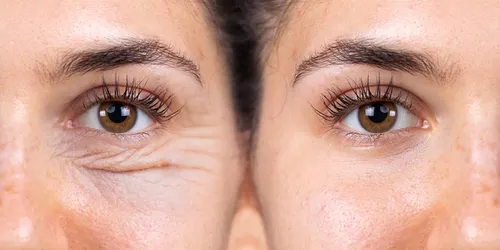
Why removing old fillers before a blepharoplasty is a primary consideration for plastic surgeons comes down to precision and anatomical clarity. When preparing for eyelid surgery, achieving a smooth, natural, and rejuvenated appearance requires a pristine surgical foundation. In recent years, dermal fillers have become incredibly popular for treating the tear troughs, upper cheeks, and under-eye hollows. However, when transitioning from temporary injectable treatments to long-lasting surgical rejuvenation, managing these pre-existing products becomes a critical step. Fully understanding why removing old fillers before a blepharoplasty is necessary helps patients avoid structural distortion and ensures a highly predictable surgical outcome.

If you are exploring advanced options for facial or eyelid rejuvenation, partnering with an experienced clinical team is the most important decision you can make. To learn more about comprehensive pre-operative protocols and international surgical standards, you can visit Belvivere. Their commitment to patient safety ensures that every detail of your facial structure is carefully evaluated before any procedure begins.

Why removing old fillers before a blepharoplasty

The Concept of Facial Volumization vs. Surgical Precision

To appreciate why removing old fillers before a blepharoplasty is widely recommended, we must look at how injectables affect the delicate tissues surrounding the eyes. Eyelid skin is the thinnest on the entire human body, making it uniquely sensitive to volume changes.

[Under-Eye Fillers Present] -> Artificial Water Retention & Altered Anatomy
                                      |
[Surgical Incision Made]    -> Inaccurate Tissue Excision & Asymmetry
                                      |
[Fillers Dissolve Later]    -> Hollowed, Sagging Skin Post-Blepharoplasty

Dermal fillers—primarily those composed of hyaluronic acid—work by attracting and binding to water molecules, creating an immediate plumping effect. While this works beautifully as a temporary measure, it masks the true extent of skin laxity and muscle sagging underneath. This anatomical masking is the core reason why removing old fillers before a blepharoplasty is an absolute clinical necessity.

How Fillers Distort Eyelid Anatomy

Over time, fillers in the tear trough or lower eyelid area can shift, spread, or absorb water unevenly. This creates a state of chronic, subtle swelling that can easily deceive even the most experienced surgical eye.

  • Falsifying Tissue Deficits: A pocket of migrated filler can look exactly like a natural herniated fat pad, leading a surgeon to remove too much genuine tissue during surgery.

  • Hiding Real Skin Laxity: The artificial volume stretches the overlying skin. If a surgeon operates while this volume is present, they may remove an inadequate amount of loose skin.

The Long-Term Longevity of Injectables

Many patients believe that their under-eye injectables have completely disappeared after six to twelve months. However, contemporary magnetic resonance imaging (MRI) studies have revealed that hyaluronic acid fillers can persist in the delicate periorbital tissues for several years. This hidden persistence highlights exactly why removing old fillers before a blepharoplasty cannot be skipped, even if your last injection session was a long time ago.

Clinical Warning: Operating on a face with unrecognized, long-standing filler can result in significant asymmetry once the product eventually breaks down on its own months after the surgery.

Architectural Distortions: Operating on an Unstable Foundation

Why Removing Old Fillers Before a Blepharoplasty Prevents Asymmetry

When a plastic surgeon performs an eyelid lift, they are executing a precise anatomical calibration. They must measure exactly how much redundant skin, muscle, and internal fat to trim or reposition to create a balanced look.

If the internal tissues are saturated with hydrophilic (water-loving) gel, the surgical team is essentially working on a distorted blueprint. This reality explains why removing old fillers before a blepharoplasty is the only way to expose the true, unmasked aging patterns of the lower and upper eyelids, allowing for a symmetrical and flawless execution.

For patients who wish to combine advanced structural facial surgeries with meticulous pre-operative planning, exploring premier medical destinations is an excellent choice. You can learn about top-tier medical protocols by researching options for Plastic Surgery in Brazil, a country globally celebrated for its pioneering advancements, artistic mastery, and highly rigorous safety standards in aesthetic medicine.

Essential Components of the Pre-Operative Dissolving Protocol

Addressing pre-existing injectables requires a structured clinical methodology. Here is a comprehensive overview of the critical steps involved in cleaning the anatomical slate before surgery:

Phase of TreatmentClinical StrategyStructural Benefit
Enzymatic InjectionTarget hyaluronidase precisely into the filler pocketsBreaks down synthetic hyaluronic acid chains safely.
Tissue StabilizationWait 10 to 14 days after the enzymatic clearingAllows the natural fluids and skin envelope to settle completely.
Re-Evaluation MappingConduct a new high-definition photographic analysisReveals the true baseline of skin laxity and fat herniation.
Surgical CalibrationPlan the exact excision vectors on a clean foundationEliminates the risk of post-operative hollows and asymmetry.

The Role of Hyaluronidase Enzymes

The primary mechanism used to clear the surgical field involves an injectable enzyme called hyaluronidase. This enzyme specifically targets and dissolves the cross-linked bonds of hyaluronic acid fillers without damaging your body’s natural tissues. Utilizing this enzyme is the primary action path behind why removing old fillers before a blepharoplasty is an easy, highly effective pre-operative step.

The Critical Transition and Waiting Window

You cannot dissolve filler and undergo an eyelid lift on the same day. Understanding why removing old fillers before a blepharoplasty requires a strict waiting window is essential for your planning.

After hyaluronidase is administered, the local tissues experience rapid fluid shifts and minor swelling. Surgeons require a mandatory waiting period of two weeks to let the skin rest, ensuring that the structural framework stabilizes before any surgical markings are drawn.

Selecting a Specialist Aligned with Advanced Facial Architecture

The technical success of your facial rejuvenation depends entirely on your surgeon’s commitment to pre-operative detail. A patient should seek a board-certified specialist who recognizes that shortcuts during the planning phase lead to unpredictable results.

During your consultation, be entirely transparent about your past cosmetic history, including the dates, brands, and exact locations of any injectables you have received. A thorough specialist will inspect your periorbital area and explain why removing old fillers before a blepharoplasty is an investment in the longevity of your result. To see real-world examples of how this meticulous preparation leads to beautifully balanced and natural transformations, Check out the results of some patients.

Long-Term Maintenance After a Pristine Eyelid Surgery

Once the old injectables have been removed and a successful eyelid lift has been performed on a clean foundation, the longevity of your result is significantly enhanced. The tissues heal uniformly, free from the localized fluid fluctuations associated with old filler migration.

  • Targeted Post-Op Healing: Following your surgery, using medical-grade topical treatments and strict sun avoidance keeps the thin eyelid skin elastic and vibrant.

  • Strategic Future Refinements: If you choose to add volume to your mid-face or cheeks years after your surgery, fillers can be safely reintroduced. Doing so on a surgically optimized foundation yields far superior harmony than trying to patch up a face that has unaddressed structural sagging.

Conclusion: Prioritizing Structural Authenticity

In conclusion, the decision regarding why removing old fillers before a blepharoplasty is so critical comes down to achieving absolute precision. Old, migrated, or water-saturated injectables distort your natural anatomy, hide the true extent of tissue laxity, and can mislead the surgical team during tissue excision.

By choosing to dissolve these temporary products at least two weeks before your procedure, you allow your surgeon to work on a clear foundation. This step eliminates guesswork, prevents post-operative asymmetry, and guarantees that your eyelid lift reveals a refreshed, authentically youthful appearance that stands the test of time beautifully.