Patients travel from the United States, Europe and other regions for plastic surgery for many reasons, including access to a particular surgeon, technique, care model or cost structure. Traveling to Brazil does not itself guarantee better outcomes. Safety depends on credentials, hospital resources, communication, realistic scheduling and a plan for complications and long-term follow-up.
What should be verified before choosing surgery abroad?
| Area | Questions to verify |
|---|---|
| Surgeon | Training, board certification, scope of practice and experience with the proposed operation |
| Hospital and anesthesia | Where surgery occurs, who administers anesthesia and which emergency resources are available |
| Clinical plan | Which anatomy is being treated, realistic limitations and whether procedures should be staged |
| Costs | What is included, what is not and how unexpected care would be handled |
| Recovery | Required local stay, accompanying adult, reviews and flight-clearance criteria |
| Continuity | How records, remote follow-up and urgent concerns will be managed after returning home |
Why specialist fit matters more than destination
Technique names should not drive travel decisions. Hybrid Blepharoplasty, video-assisted brow or midface surgery, Deep Plane facelift, Neck Lift, Deep Neck and fat grafting address different regions and layers. The surgeon should explain why the proposed operation matches the patient’s anatomy and why another approach may be safer.
Belvivere’s international-patient pathway
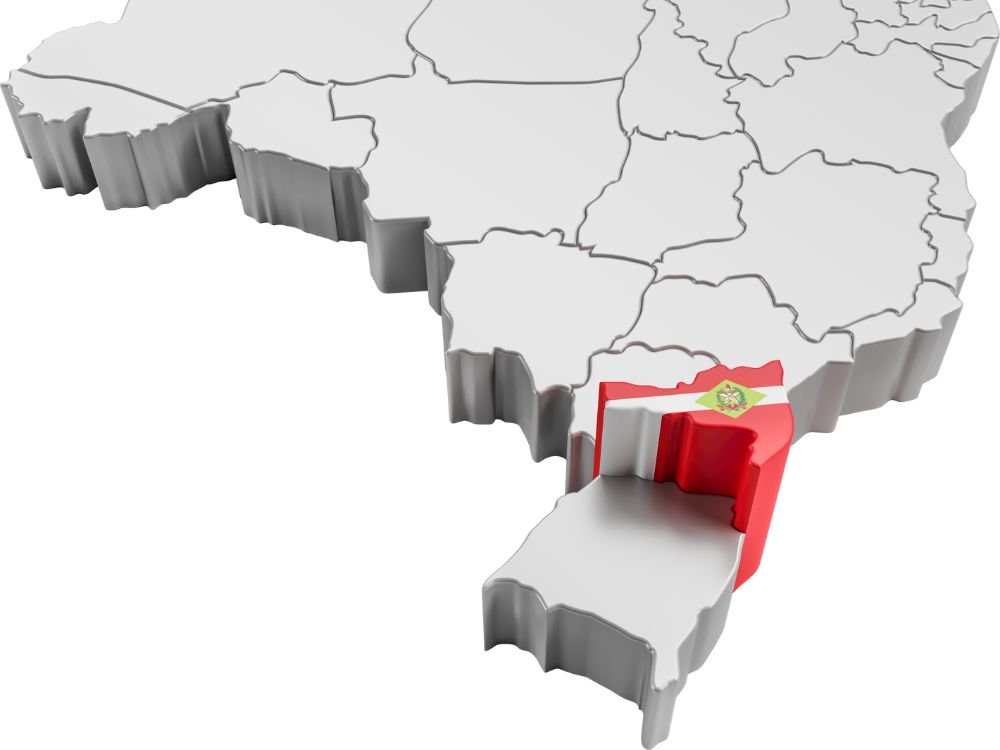
The process begins with a remote consultation and review of medical history, photographs and previous treatments. The final surgical plan is confirmed only after in-person examination. Major surgery is performed at Hospital São José with an anesthesiologist and postoperative monitoring appropriate to the case.
Belvivere generally plans at least 15 days in Brazil after major facial surgery. The first week is centered on recovery and clinical review in Criciúma rather than tourism. The required stay may be longer when procedures are combined or healing requires additional observation.
Previous procedures and imaging
Patients should disclose fillers, biostimulators, PMMA, silicone, threads, devices and prior surgery. Dermatologic ultrasound may be requested to map residual material, fibrosis or altered tissue planes. Findings can change the operation or support a decision to postpone it.
Costs and informed decision-making
Lower quoted prices do not prove equivalent care, and travel can add accommodation, transportation, companion, medication and unexpected medical costs. Patients should not compress surgery or recovery to fit a discounted flight. The decision should remain voluntary and medically appropriate.
Risks of long-distance surgical care
Complications can occur despite careful planning and may include bleeding, infection, wound problems, nerve injury, thrombosis or the need for revision. Long flights add immobility and thromboembolic considerations. Fitness to fly is determined individually, not by a fixed tourism itinerary.
Concierge support versus medical care
Belvivere’s concierge service assists with accommodation, transportation and communication. Clinical assessment, prescriptions, discharge and emergency decisions remain with the medical team. Review the international preoperative checklist.