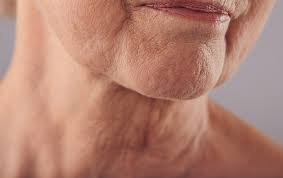
Understanding the two-stage approach to correcting over-treated necks is becoming a vital area of focus within advanced facial rejuvenation. When a primary neck lift or lower facelift is performed with overly aggressive techniques, it can leave the patient with an unnatural, hollowed, or severely tight appearance. These complications often occur when too much deep fat is removed or when the muscles are pulled without respecting natural structural boundaries. Correcting these intricate issues requires a highly sophisticated strategy. Fully understanding the two-stage approach to correcting over-treated necks helps patients realize why a gradual, multi-tiered revision plan is the safest and most predictable pathway to restoring soft, youthful, and balanced contours to the submental region.

If you are navigating a complex recovery or considering a secondary corrective procedure, partnering with a highly specialized clinical team is the most critical decision you can make. To learn more about comprehensive medical coordination and advanced surgical safety protocols, you can visit Belvivere. Choosing internationally recognized specialists ensures that your structural repair is planned with the highest degree of medical accuracy and individualized attention.

The Anatomy of an Over-Treated Cervical Region

To truly begin understanding the two-stage approach to correcting over-treated necks, one must analyze the structural disruptions caused by over-aggressive primary surgery. The neck is composed of delicate, overlapping layers of skin, subcutaneous fat, the platysma muscle, deep subplatysmal fat, and digastric muscles.

[Aggressive Primary Surgery] -> Excessive Fat Removal & Muscle Tension
                                       |
[Structural Complications]   -> Cobblestone Skin, Banding, and Hollow Defects
                                       |
[Two-Stage Revision Plan]    -> Stage 1: Release & Soften / Stage 2: Rebuild & Contour

When a primary procedure removes an excessive amount of the protective subcutaneous fat layer, the skin begins to adhere directly to the underlying platysma muscle. This creates a visible distortion known as a “cobra neck” deformity, where the central submental area looks unnaturally hollowed out while the sides remain full. This architectural imbalance highlights why understanding the two-stage approach to correcting over-treated necks is so essential; a single, rushed operation cannot fix these layered tissue deficits safely.

Common Aesthetic and Functional Complications

An over-treated cervical area presents unique challenges that impact both a patient’s physical comfort and their self-esteem.

  • Submental Hollowing and Asymmetry: The loss of deep fat pads creates a skeletonized, aged appearance rather than a smooth jawline.

  • Platysmal Banding and Rigidity: Tight, irregular muscle pulling can cause a webbed effect, making it uncomfortable for the patient to turn or extend their head naturally.

  • Skin Adhesions and Scarring: Without a healthy layer of fat to cushion the tissues, the skin can develop a stiff, dimpled, or “cobblestone” texture.

Why a Single-Stage Repair Often Fails

Many patients experiencing these complications want an immediate, all-in-one fix. However, trying to release tight muscles and restore lost volume simultaneously can overload the local blood supply. A deep commitment to understanding the two-stage approach to correcting over-treated necks reveals that the compromised tissue needs time to recover its vascularity and elasticity before it can support a definitive structural reconstruction.

Clinical Reality: Attempting to rebuild a severely scarred or hollowed neck in a single session dramatically increases the risk of skin necrosis, delayed wound healing, and recurrent contour irregularities.

Stage One: Releasing Tension and Restoring the Tissue Bed

Mastering the First Phase: Understanding the Two-Stage Approach to Correcting Over-Treated Necks

The initial phase of the revision journey focuses entirely on deconstructing the mistakes of the previous surgery. The surgeon must enter the old surgical planes to carefully release abnormal adhesions and untether the skin from the underlying muscle sheets.

During this first session, the surgical team focuses on relaxing the overly tightened platysma muscle. By performing targeted, conservative muscle releases or partial platysmoplasties, they relieve the dynamic pull that causes webbing. This foundational step is central to understanding the two-stage approach to correcting over-treated necks, as it prepares a soft, healthy, and well-vascularized tissue bed capable of accepting future volume grafts.

For patients who wish to pursue this caliber of complex reconstructive and aesthetic care, exploring elite global medical destinations is highly advantageous. You can learn about advanced revisional protocols by researching options for Plastic Surgery in Brazil, a country globally celebrated for its exceptional training programs, safety standards, and pioneering advancements in secondary facial and neck reconstruction.

Essential Components of the Two-Stage Corrective Strategy

Step-by-Step Breakdown: Understanding the Two-Stage Approach to Correcting Over-Treated Necks

Successfully correcting an over-treated cervical framework requires a highly organized surgical timeline. The table below outlines the clinical differences and objectives between the two distinct operative phases:

Surgical PhasePrimary Clinical ObjectiveTechnical Interventions Used
Stage OneTissue release and vascular restorationScar lysis, muscle relaxation, and micro-fat grafting.
Interim PeriodTissue maturation and healing (6–9 months)Manual lymphatic therapy and non-invasive softening.
Stage TwoDefinitive structural shaping and contouringStructural fat grafting, structural suturing, skin tailoring.

The Vital Role of Micro-Fat Grafting in Phase One

A key element to grasp when understanding the two-stage approach to correcting over-treated necks is the use of preparatory fat transfer. During the first stage, the surgeon often injects small amounts of highly purified micro-fat cells into the scarred spaces between the skin and muscle.

This fat does not just add volume; it introduces valuable stem cells that actively work to soften dense internal scar tissue and improve local blood flow. This specialized application reinforces understanding the two-stage approach to correcting over-treated necks as a biological process that relies heavily on tissue regeneration.

The Mandatory Healing Interval

Between the first and second stages, patients must complete a mandatory waiting period lasting anywhere from six to nine months. Gaining a complete understanding the two-stage approach to correcting over-treated necks requires accepting this interim phase.

During this time, the internal scars mature, the transferred fat cells establish a permanent blood supply, and the skin regains its natural elasticity. Operating too early would disrupt this delicate cellular stabilization and compromise the final result.

Stage Two: Structural Shaping and Final Definiton

Final Contouring: Understanding the Two-Stage Approach to Correcting Over-Treated Necks

Once the tissue bed has fully softened and stabilized, the patient is ready for the second and final stage of the revision process. This phase focuses on achieving optimal symmetry, volume balance, and jawline definition.

The surgeon can now place definitive structural fat grafts into the hollowed submental zones to build a smooth contour without the fear of poor cell survival. Because the muscles were relaxed in the first stage, the skin can now be gently redraped and trimmed along hidden lines, completing the journey of understanding the two-stage approach to correcting over-treated necks with a beautiful, natural-looking result.

Selecting a Revisional Specialist with Advanced Structural Expertise

The success of a secondary neck repair depends entirely on your plastic surgeon’s training, patience, and understanding of complex facial architecture. A patient should seek a board-certified specialist who dedicates a significant portion of their practice to complex revision surgeries.

During your consultation, bring all medical records, operative reports, and photographs from your initial primary surgery. A skilled specialist will perform a thorough manual examination of your neck tissues and explain why understanding the two-stage approach to correcting over-treated necks is the most reliable way to achieve your aesthetic goals safely. To see real-world examples of how this meticulous, step-by-step methodology delivers stable and life-changing results, Check out the results of some patients.

Conclusion: A Methodical Path to Restoring Facial Harmony

In conclusion, managing a over-treated cervical area requires moving away from the idea of quick fixes and instead embracing a patient, multi-layered approach. Gaining a complete understanding the two-stage approach to correcting over-treated necks allows patients to appreciate the immense value of separating the tissue release phase from the final structural reshaping phase.

By partnering with an expert surgical team that prioritizes tissue health, vascular safety, and precise volume restoration, you can successfully reverse the unnatural signs of an over-aggressive primary surgery. This structured two-stage framework ensures that your neck heals with optimal comfort, ultimately revealing a soft, graceful, and beautifully defined jawline that restores true harmony to your face.