Tummy Tuck or Mini Tummy Tuck? Deciding between these two popular abdominal contouring procedures is a major step toward achieving your ideal physical shape. Both surgical options are designed to address loose skin, stubborn fat, and weakened muscles in the midsection, but they target different areas and vary significantly in scope. Understanding the key differences between a full abdominoplasty and its partial counterpart is essential to aligning your expectations with the realistic outcomes of each surgery.
When considering a Tummy Tuck or Mini Tummy Tuck, patients often feel overwhelmed by the anatomical factors involved. Your skin elasticity, the amount of excess tissue, and the condition of your underlying abdominal wall all dictate which procedure will deliver the most satisfying results. For those looking to access world-class surgical expertise, embarking on a path toward Plastic Surgery in Brazil provides access to highly experienced surgeons who specialize in personalized body sculpting techniques.
Understanding the Core Differences: Tummy Tuck or Mini Tummy Tuck
To make an informed choice, you must first understand the structural variations of each surgical approach. The debate between a Tummy Tuck or Mini Tummy Tuck fundamentally comes down to how much tissue needs to be addressed and where that tissue is located on your abdomen.
A standard abdominoplasty is comprehensive, addressing the entire abdominal area from the pubic mound up to the ribcage. In contrast, a partial abdominoplasty focuses strictly on the region below the navel, making it a much less extensive alternative for the right candidate.
The Full Abdominoplasty Approach
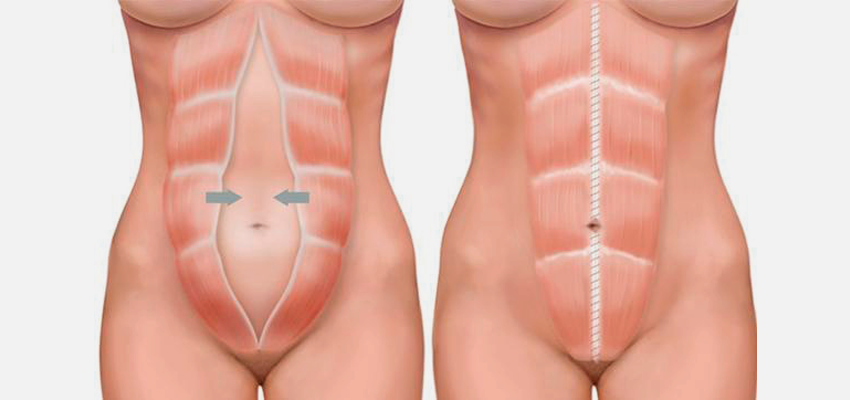
During a standard procedure, the surgeon makes an incision across the lower abdomen, typically from hip to hip. The skin is lifted all the way to the ribcage, allowing the surgeon to repair and tighten separated abdominal muscles (diastasis recti) along the entire midline. The belly button is then repositioned to ensure a natural look after the excess upper skin is pulled down and trimmed away.
The Partial Abdominoplasty Alternative
The smaller alternative requires a much shorter incision, often resembling an extended C-section scar. The skin is only lifted up to the navel, and the belly button remains completely untouched in its original position. Muscle tightening is limited only to the lower abdominal wall, making it a highly targeted intervention.
Evaluating the Anatomical Factors of a Tummy Tuck or Mini Tummy Tuck
+--------------------------+-----------------------+-----------------------+
| Feature                  | Full Tummy Tuck       | Mini Tummy Tuck       |
+--------------------------+-----------------------+-----------------------+
| Incision Length          | Hip to hip            | Shorter, above pubic  |
| Belly Button Moved?      | Yes                   | No                    |
| Muscle Repair Area       | Entire midline        | Lower abdomen only    |
| Ideal Candidate          | Severe loose skin/gas | Mild lower skin pouch |
+--------------------------+-----------------------+-----------------------+
Determining Your Candidacy for a Tummy Tuck or Mini Tummy Tuck
Choosing a Tummy Tuck or Mini Tummy Tuck requires an objective assessment of your anatomy. A common misconception is that the smaller option is simply a cheaper or easier version of the full surgery that anyone can choose. In reality, your physical starting point dictates the procedure, not your personal preference.
If you struggle with generalized skin laxity above and below the belly button, a standard approach is the only way to achieve a flat profile. If your main concern is a small, stubborn pouch of loose skin below the navel, the smaller option will serve you beautifully.
Who is the Ideal Candidate for a Full Procedure?
The comprehensive approach is best suited for individuals who have experienced significant physical changes, such as multiple pregnancies or massive weight loss. These events stretch the entire abdominal matrix, leaving behind excess skin and separated muscles that a partial procedure cannot adequately correct.
Who is the Ideal Candidate for a Mini Procedure?
The limited approach is perfect for individuals who are near their ideal body weight but possess a localized pocket of loose tissue in the lower abdomen. If your upper stomach is already firm and your abdominal muscles are intact above the belly button, you are an excellent candidate for this targeted alternative.
Comparing the Surgical Experience and Scar Placement
The visual outcome is a major factor when weighing a Tummy Tuck or Mini Tummy Tuck. Both procedures result in a permanent scar, but the length and location vary. Experienced surgeons place these marks strategically so they can be easily hidden beneath swimwear or undergarments.
Regardless of which path you take, advanced surgical closures and meticulous post-operative scar therapy play a vital role in how beautifully the tissue heals over the long term.
Incision Variations and Navel Revision
A standard procedure requires two incisions: one along the bikini line and another around the belly button. This allows the surgeon to pull down the upper skin uniformly. The partial option avoids the navel incision entirely, meaning there is only one short line hidden low on the pubic mound.
Muscle Repair and Deep Tissue Adjustments
Muscle tightening is a core component of abdominal contouring. If you have diastasis recti above the navel, choosing a partial approach will leave the upper abdomen protruding, leading to an unsatisfactory result. A full evaluation ensures that your muscle wall is repaired exactly where it lacks structural integrity.
Recovery Timelines: Tummy Tuck or Mini Tummy Tuck Compared
The recovery period is another critical variable when deciding between a Tummy Tuck or Mini Tummy Tuck. Because a standard abdominoplasty involves a larger incision and more extensive muscle repair, it demands a longer and more intensive healing period.
Understanding what to expect during your recovery helps you plan your time off from work, arrange for domestic help, and manage your daily routine safely.
Healing from a Full Abdominoplasty
Patients undergoing a full procedure should expect a recovery period of roughly two to four weeks before returning to light desk work. You will need to wear a supportive compression garment continuously to minimize swelling and support the newly repaired muscles. Strenuous exercise and heavy lifting must be avoided for at least six to eight weeks.
Healing from a Mini Abdominoplasty
The recovery for the partial option is notably shorter and less uncomfortable. Most patients feel ready to return to their normal daily activities within one to two weeks. While a compression garment is still necessary, the overall physical toll on the body is reduced because the upper abdominal tissues remain undisturbed.
Maximizing Your Long-Term Contour Results
To preserve the elegant contours achieved by your surgical team, maintaining a stable lifestyle is non-negotiable. Neither procedure is a substitute for weight loss, nor can they prevent future changes caused by significant weight fluctuations or subsequent pregnancies.
Investing in your body means choosing an accredited medical infrastructure that offers comprehensive support from your initial consultation through your final recovery milestone. To see real-world examples of how these procedures reshape the body, you can Check out the results of some patients. and evaluate the exceptional outcomes achieved by dedicated aesthetic professionals.
For individuals seeking premier care, advanced clinical technology, and highly personalized attention, visiting specialized centers like Belvivere ensures your safety and comfort remain the highest priority throughout your body transformation journey.
Frequently Asked Questions
Can liposuction be combined with either option?
Yes, liposuction is frequently combined with both procedures to enhance the final contours. This combination technique, often called lipoabdominoplasty, allows the surgeon to remove stubborn fat pockets from the flanks and upper abdomen while simultaneously tightening the loose skin.
Will a partial procedure remove stretch marks?
A partial procedure will only remove stretch marks that are located within the precise segment of skin being excised below the navel. Stretch marks located on the upper abdomen will be shifted lower down but will not be completely removed.
How do I make the final decision between the two options?
The final choice should always be made in consultation with a board-certified plastic surgeon. They will perform a physical exam, assess your skin elasticity and muscle tone, and recommend the exact approach needed to fulfill your personal aesthetic goals safely.