Malar edema is one of the most common and challenging concerns after facial aesthetic procedures, especially following an aggressive or improperly planned blepharoplasty. However, not all swelling in the periorbital region is the same—and understanding these anatomical differences is absolutely crucial for achieving the best possible cosmetic results. Terms like malar edema and festoons often cause significant confusion, even among patients who have already successfully undergone surgical treatments. For those exploring comprehensive aesthetic solutions on an international level, booking Plastic Surgery in Brazil ensures you receive specialized care from surgeons trained in distinguishing these intricate tissue variations.

In this comprehensive guide, you’ll learn what these conditions really are, why they occur, and the lesser-known scientific truths about chronic post-operative swelling. Recognizing the boundaries between temporary fluid accumulation and structural changes is the first step toward a safe and satisfying aesthetic journey.

What Is Malar Edema?

To build an effective treatment plan, we must first define the problem: malar edema is a specific type of chronic or recurrent swelling that appears directly in the cheekbone area, just below the lower eyelids and sub-orbicularis oculi fat (SOOF) region. It can create a constant tired, aged, or puffy appearance, even in younger individuals who are otherwise completely healthy.

Unlike the temporary, predictable swelling that naturally occurs immediately after an invasive surgery, malar edema tends to be highly recurrent and stubborn. It may fluctuate, improving and worsening over time based on daily factors such as systemic fluid retention, general lymphatic drainage function, sleep quality, sodium intake, and individual facial anatomy. Because of this physiological variability, managing chronic malar edema requires an exceptionally careful and precise clinical evaluation—and standard surgery is not always the direct solution.

What Are Festoons?

Festoons are often mistakenly classified as simple under-eye bags by patients, but they represent an entirely different anatomical condition. While classic under-eye bags are primarily caused by the structural protrusion of orbital fat pads pushing through a weakened orbital septum, festoons appear as cascading, sagging hammocks of loose skin combined with localized fluid accumulation situated across the lower eyelid and the upper cheek area.

Because festoons fundamentally involve muscle laxity, skin excess, and underlying lymphatic insufficiency rather than just herniated fat, simply removing fat via standard blepharoplasty will not solve the issue. In fact, removing volume from an area already suffering from structural instability can severely worsen the hollowed appearance and make the overlying malar edema appear even more prominent and droopy.

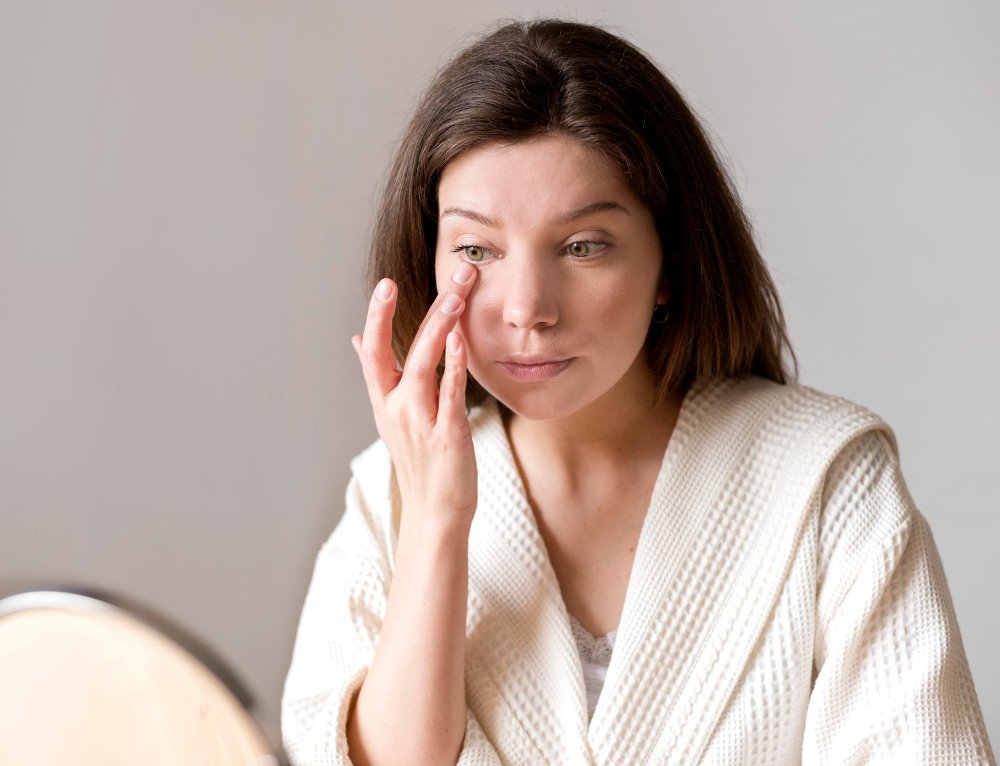
Malar edema

Why Not All Swelling Can Be Treated with Surgery

One of the biggest and most pervasive misconceptions in aesthetic medicine is that all forms of facial swelling or puffiness can be instantly corrected surgically. In reality, conditions like chronic malar edema and festoons often require a multi-faceted, highly individualized non-surgical or combined approach.

Blepharoplasty is an incredibly effective, time-tested tool for excising redundant skin folds and trimming protruding fat pockets, but it is fundamentally not designed to cure chronic structural edema or pre-existing lymphatic dysfunction. When a patient presenting with baseline lymphatic stagnation undergoes surgery without an accurate diagnosis, they may feel immensely dissatisfied with their long-term results—even if the surgery itself was technically performed flawlessly by the specialist. Therefore, managing expectations regarding persistent malar edema is a core part of pre-operative counseling.

The Role of Facial Anatomy (SMAS/SOOF)

An indispensable factor in the development and persistence of these conditions is the complex underlying facial anatomy, including structures such as the superficial musculoaponeurotic system (SMAS) and the sub-orbicularis oculi fat (SOOF). The retaining ligaments of the middle face, particularly the orbicularis retaining ligament (ORL), act as tight barriers that can trap fluid flowing down from the eye region.

As aging occurs, or when surgical trauma alters the delicate lymphatic pathways, changes in this structural support system can negatively influence tissue stability and fluid retention. This structural decline directly contributes to the accumulation of fluid, making malar edema look like a permanent shelf on the cheekbones. This is why a highly trained, experienced clinical eye is essential when evaluating the mid-face and planning any comprehensive treatment vector. To explore how top-tier surgical teams evaluate these complex structural zones, you can visit the main Belvivere medical group website.

Key Differences: Under-Eye Bags, Festoons, and Atypical Edema

To ensure an effective treatment, understanding the clear practical distinctions between these three commonly confused conditions is essential:

  • Under-eye bags: Caused primarily by localized fat accumulation and fat herniation in the lower eyelids.

  • Malar edema: Characterized by recurrent, soft fluid swelling concentrated specifically in the cheekbone area.

  • Festoons: Manifested as prominent, cascading sagging skin combined with variable fluid retention below the eyes and across the zygomatic arch.

Each independent condition requires a completely different therapeutic approach. A misdiagnosis can easily lead to ineffective treatments, unnecessary financial expenditure, and highly unsatisfactory surgical outcomes.

Can Dermal Fillers Make Malar Edema Worse?

Yes—and this is an incredibly important, frequently overlooked warning in modern non-surgical facial rejuvenation. Dermal fillers, especially hyaluronic acid gels placed in the tear trough or upper cheek area, can sometimes severely worsen or even directly trigger chronic malar edema.

This adverse reaction happens because hyaluronic acid is highly hydrophilic, meaning it naturally attracts and binds large volumes of water molecules, significantly increasing localized fluid retention. Additionally, if the filler is placed too superficially or blocks the already restricted lymphatic channels of the lower eyelid, it creates a persistent, boggy swelling that mimics natural aging. Furthermore, previous or poorly integrated fillers can interfere with future surgical results, distorting the natural anatomy during an eyelid lift. For this reason, it is absolutely essential to inform your medical team about any prior injectable treatments before planning a permanent solution. To analyze how different patients have resolved these aesthetic imbalances, you can view documented clinical cases here: Check out the results of some patients.

Advanced Treatment Options beyond Traditional Surgery

When standard surgical excision isn’t the right path to resolve malar edema, alternative clinical modalities must be considered. Because the fluid is trapped within specific anatomical compartments, treatments that promote tissue contraction, lymphatic drainage, and collagen remodeling are highly favored.

Can Technology Help?

Modern energy-based technologies can provide notable improvement, particularly in tightening the skin envelope and reducing superficial fluid volume. Options frequently utilized include:

  1. Radiofrequency Microneedling: Delivers controlled thermal energy into the deep dermis to induce tissue coagulation, helping to tighten the loose skin structural framework that holds the fluid.

  2. Fractional CO2 Laser: Promotes intense superficial skin resurfacing and dramatic collagen contraction, which can minimize the appearance of mild festoons.

  3. Microcurrent Therapy & Manual Lymphatic Drainage: Specialized physical therapies designed to stimulate sluggish lymphatic channels, helping to clear persistent malar edema naturally over time.

However, patients must understand that these technologies are not universal magic bullets. Results vary depending on the patient’s baseline skin quality, and these localized treatments may not completely resolve severe, long-standing festoons or deep malar edema. A personalized, combined approach remains the safest and most effective strategy.

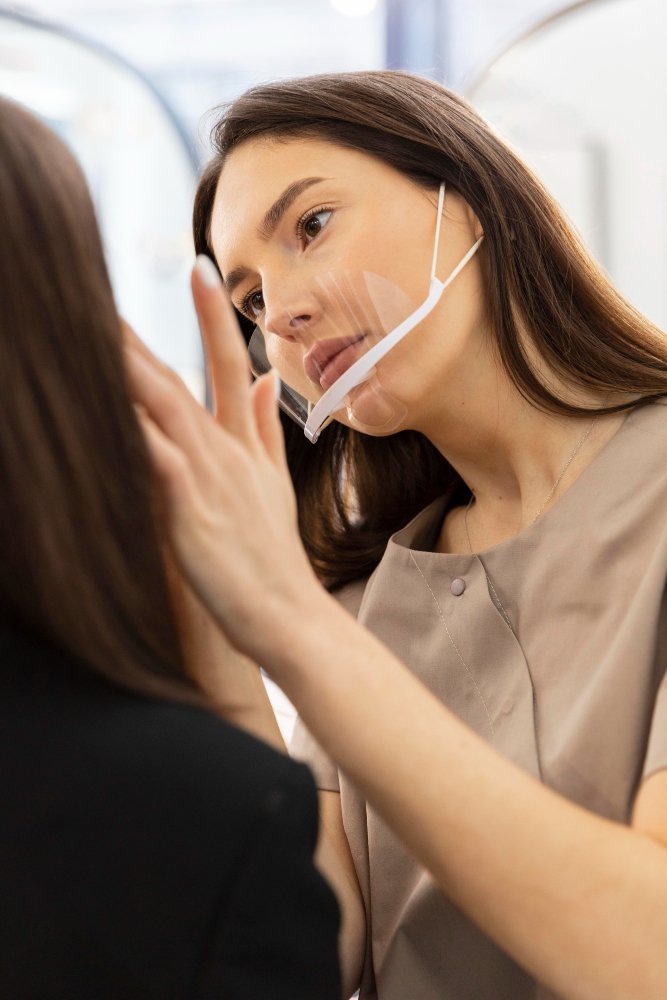
Malar edema 02

Essential Post-Operative Care Tips to Minimize Swelling

If you are undergoing a surgical procedure near the mid-face, implementing proper post-operative care steps plays a definitive role in minimizing the risk of developing prolonged malar edema and optimizing your overall healing timeline.

Important recommendations to protect your recovery include:

  • Drastically reducing dietary salt intake: Lowering sodium prevents the body from holding onto excess fluid.

  • Keeping your head strictly elevated: Using extra pillows or sleeping in a recliner during the first few weeks keeps hydrostatic pressure low around the eyes.

  • Following all prescription medical instructions: Utilizing targeted anti-inflammatory treatments as directed by your surgeon.

  • Avoiding direct sun exposure without protection: UV rays worsen inflammation and can darken skin that is swollen or bruised.

  • Attending all scheduled follow-up appointments: Allowing your surgeon to monitor fluid clearance and intervene early if atypical swelling begins to form.

These simple yet highly effective measures help control erratic tissue swelling and support a much smoother, predictable recovery process.

Conclusion

In conclusion, malar edema and festoons are highly complex, multi-layered conditions that go far beyond the scope of simple, everyday post-surgical swelling. Understanding their unique root causes and structural differences is absolutely essential for choosing the correct medical treatment path and avoiding immense personal frustration.

The clinical truth is that not every pocket of fluid under the eye has a quick, simple, or purely surgical solution. Achieving a beautifully refreshed appearance depends entirely on an accurate anatomical diagnosis, meticulous individualized planning, and perfectly aligned patient expectations. If you are considering undergoing any procedure in the periorbital or eye area, always seek out an experienced, board-certified professional and make sure all your anatomical questions are answered completely. Proper, scientific planning is the only true foundation for achieving safe, natural, and highly satisfying results that last.