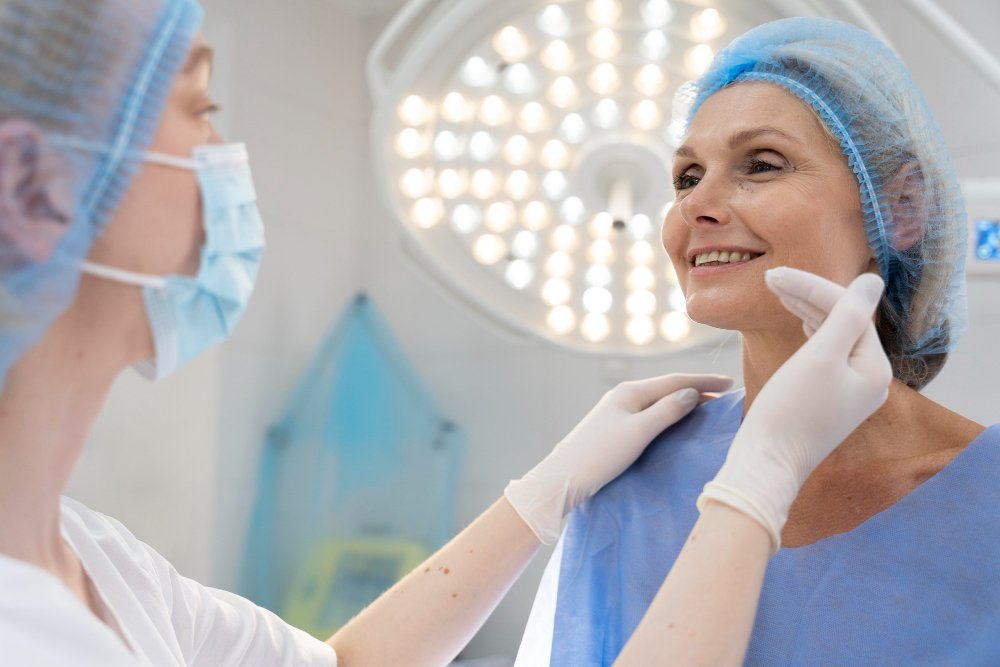
Heavy eyelids after Botox or upper eyelid surgery represent an unexpected concern for patients seeking a refreshed, youthful look. While many assume relaxing forehead lines or trimming skin will automatically open the eyes, the result can sometimes feel heavier or more closed. This typically happens because the face utilizes complex muscular compensation over time, where the eyebrows are held artificially high by an overactive forehead muscle to lift heavy, sagging eyelid skin. If you want to avoid these anatomical surprises, choosing a specialized team for Plastic Surgery in Brazil ensures you receive an advanced, comprehensive facial assessment by highly experienced specialists.

Understanding this balance is the key to preventing heavy eyelids after Botox. When the underlying muscle mechanisms are mapped correctly before any procedure, the surgical or injection plan can be customized to preserve your natural expressions while effectively turning back the clock.

The Biological Connection: Forehead Muscles and Eye Appearance

To understand why some individuals experience heavy eyelids after Botox, it is essential to analyze the primary muscular elevator of the upper face. The forehead muscle, clinically known as the frontalis muscle, is uniquely responsible for lifting the eyebrows and the skin of the forehead upward. In patients presenting with significant upper eyelid dermatochalasis (excess skin), this muscle may remain constantly engaged, even during rest, to prevent a droopy, tired, or visually obstructive look. Over many years, this physical lift becomes a completely unconscious, deeply ingrained habit.

When a neuromodulator injection is applied to the upper face, its primary physiological purpose is to temporarily relax this overactive frontalis muscle to smooth out deep horizontal wrinkles. However, because this muscle was the only structure holding the eyebrows up, its relaxation causes the eyebrows to return downward to their true, uncompensated anatomical resting position. This sudden downward shift pushes the excess eyelid skin further down over the lashes, creating the distinct impression of heavy eyelids after Botox—even though this was the patient’s true baseline anatomy all along, previously masked by constant muscular exertion.

Heavy Eyelids 01

What Happens During and After Eyelid Surgery (Blepharoplasty)

A traditional upper blepharoplasty removes redundant skin folds and, when necessary, herniated orbital fat pockets to improve the upper eyelid contour. However, if the preoperative clinical evaluation does not carefully consider the baseline compensatory role of the frontalis muscle, the structural outcome may feel unexpected to the patient.

After an upper blepharoplasty successfully removes the physical weight of the sagging skin, the brain registers that the visual field is completely clear. Consequently, the unconscious need for constant forehead contraction dramatically decreases. As the frontalis muscle finally relaxes and rests, the eyebrows may settle into a noticeably lower, more natural position. This secondary muscle relaxation can contribute to the post-operative perception of a less open or slightly heavier brow line, even though the eyelid surgery itself was technically successful and flawless. This highlights why isolating the eyelids without looking at the forehead can sometimes lead to the same visual complaints associated with heavy eyelids after Botox.

Why a Thorough Pre-Operative Evaluation Is Essential

Every human face possesses its own highly delicate functional balance between muscle groups, skin elasticity, and underlying bone structure. Before recommending an upper blepharoplasty or managing line reduction, a clinician must evaluate whether this specific type of muscular compensation is active.

A skilled professional evaluates not only the absolute amount of excess skin present but also maps the precise eyebrow position at complete rest, measures frontalis muscle activity, and reviews overall facial expressions. This comprehensive assessment ensures that the chosen aesthetic treatment plan aligns perfectly with the patient’s underlying anatomy rather than just treating lines on the surface. To learn more about modern anatomical evaluations, advanced surgical planning, and institutional safety standards, you can visit the main Belvivere medical group website.

Strategic Ways to Prevent and Avoid an Undesired Result

Preventing the closed-eye effect or avoiding heavy eyelids after Botox requires a highly personalized, cautious approach to upper face rejuvenation. Injections must be performed more conservatively or strategically positioned higher up on the forehead, or closer to the brow arch, to preserve the natural lifting function of the lower fibers of the frontalis muscle.

In cases where severe skin excess and low eyebrow position coexist, performing an isolated treatment may be insufficient. Combining procedures—such as pairing an upper blepharoplasty with a surgical brow lift or a temporal suspension—may be necessary to maintain true structural balance, open up the eyes, and achieve harmony across the upper third of the face. The best approach relies completely on customized planning and individualized treatment selection. To analyze how different patients have safely achieved a beautifully balanced, wide-open look through tailored procedures, you can view documented clinical cases here: Check out the results of some patients.

Managing Your Results Safely During the Healing Phase

If you are currently experiencing the frustrating sensation of heavy eyelids after Botox, it is important to remember that the effects of neuromodulators are completely temporary. Over a period of 12 to 16 weeks, as the product naturally wears off, the frontalis muscle will gradually regain its full contraction strength, allowing the eyebrows to return to their previously elevated position and clearing the heavy feeling over the eyes.

During this temporary phase, patients should avoid trying to over-correct the issue with aggressive secondary injections in the same zone, which can worsen the drop. Instead, maintaining an open line of communication with your treating physician allows them to monitor your muscle recovery and adapt your future treatment maps. For instance, they can lower the dose or change the target points to ensure you achieve a smooth, line-free forehead without ever triggering heavy eyelids after Botox again.

Heavy Eyelids After Botox

Conclusion: Looking at the Upper Face as a Single Unit

In conclusion, the widespread aesthetic idea that neuromodulators or eyelid surgeries will universally “open” the eyes is not anatomically true for every patient profile. In many complex cases, these treatments simply reveal the natural, uncompensated resting position of the brow that was previously hidden by constant, active muscle contraction.

That is why evaluating the delicate muscular balance between the forehead elevators and the eyelid tissues is essential to achieving natural, harmonious, and satisfying results. Rather than focusing single-mindedly on smoothing out lines or cutting away skin, a modern aesthetic specialist must understand how the face functions as a single, interconnected unit. Choosing an experienced professional who takes this comprehensive, highly scientific approach makes all the difference in achieving upper face rejuvenation results that look truly refreshed, beautifully balanced, and completely natural.