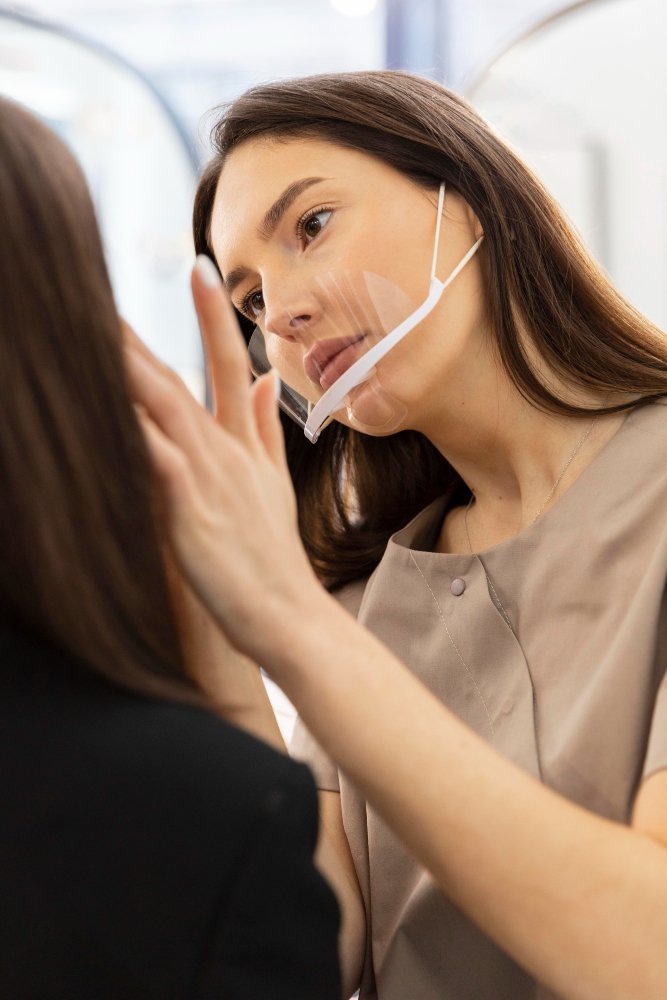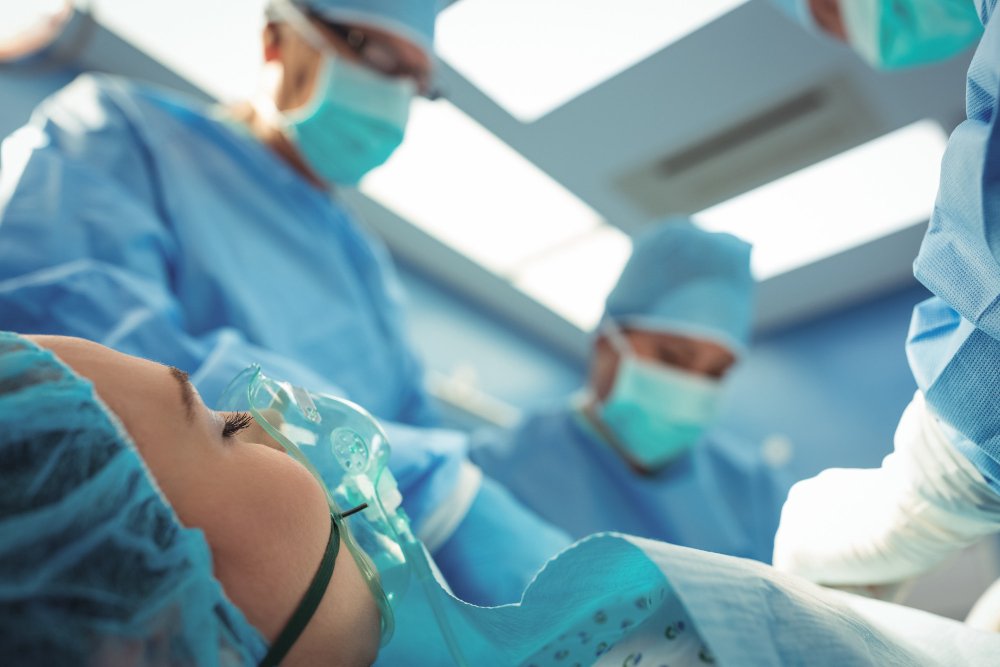
The fat grafting take rate is one of the most critical factors discussed during pre-operative consultations for patients considering autologous tissue reconstruction or facial rejuvenation. Fat grafting, widely known in medical circles as autologous fat transfer or lipofilling, has become increasingly popular in both aesthetic and reconstructive medicine over the last decade. Unlike synthetic dermal fillers, industrialized substances, or laboratory-engineered gels, autologous fat is not considered a consumer “product.” That’s because it involves living tissue made up of viable cells that continue to function metabolically even after being transferred from one area of the human body to another. Understanding how this organic cellular transfer works is essential for setting realistic anatomical expectations and fully appreciating the ultimate, long-term results of the procedure. If you are exploring permanent volume restoration options and want to experience world-class clinical standards, organizing your Plastic Surgery in Brazil connects you with expert surgeons renowned for maximizing cellular retention.
Unlike alloplastic fillers, which are laboratory-developed materials used to add temporary volume or correct minor superficial imperfections, autologous fat utilizes the patient’s own dynamic cellular structures. These viable cells are typically harvested through a gentle, low-pressure liposuction process, carefully processed using pristine filtration or centrifugation, and then delicately reinjected into the desired recipient area. Because these transplanted cells are fully alive, they do much more than simply “fill” an empty structural space—they actively integrate with the surrounding body tissue to create a permanent, vascularized layer of support.
Longevity and Behavior of Fat Grafting in the Body
The fat grafting take rate dictates that autologous fat cannot be treated as an off-the-shelf product with a fixed, predictable duration or expiry timeline. Once transferred, the surviving fat cells firmly establish themselves in the new location, develop a dedicated blood supply, and follow the exact same biological cycle they would have in their original donor area. This means they have the unique capability to last for many years, aging gracefully along with the rest of your features. However, that does not mean the final aesthetic result is completely permanent or static over time.
Because these are living adipocytes, the long-term behavior of the grafted fat is directly influenced by the patient’s overall metabolic health. Physiological factors such as natural chronological aging, hormonal changes, and lifestyle-driven weight fluctuations all play a major role in how the treated area looks over time. For example, if a patient loses a significant amount of weight, the transferred fat cells may shrink in volume; conversely, if they gain weight, those exact same cells may expand. This highlights that autologous tissue transfer is highly dynamic rather than static, making its tracking entirely different from tracking synthetic implants or temporary facial gels.

What Influences the Ultimate Fat Grafting Take Rate?
A foundational concept in autologous tissue transfer is the fat grafting take rate, which clinically describes the survival and permanent retention percentage of the transferred adipocytes. It is an established medical reality that not all of the injected fat will survive the initial transplantation process. A portion of the transferred volume will inevitably be reabsorbed by the body’s lymphatic system, especially within the first few weeks following the procedure before a stable blood supply can be formed. For this reason, utilizing proper, atraumatic technique is absolutely critical to achieving optimal results and avoiding volume loss.
The ultimate success and high fat grafting take rate do not depend on the specific donor area chosen (such as the thigh versus the abdomen) or on heavily marketed commercial suction devices, as is frequently assumed by patients. Instead, cellular survival is directly related to how delicately the entire procedure is performed from start to finish. Meticulous handling of the fragile fat cells, precise multi-planar injection techniques, and the enforcement of strict aseptic protocols are the essential cornerstones of an excellent outcome.
Experienced plastic surgeons utilize advanced methods that preserve complete cell membrane integrity throughout the entire process, avoiding high-vacuum suction that can rupture cells. When the purified tissue is reintroduced, it is placed in small, strategically scattered amounts across multiple anatomical layers. This micro-droplet injection technique significantly increases the fat grafting take rate because it ensures that each tiny pocket of fat sits in direct contact with recipient tissue, maximizing its access to oxygen and vital blood vessels during the early recovery window. To see real-world examples of how this precise tissue placement translates into balanced, long-lasting facial and body contours, you can review our clinical photographic registry here: Check out the results of some patients.
Key Technical Pillars for Optimizing the Fat Grafting Take Rate
To ensure a highly predictable and satisfactory fat grafting take rate, specialized plastic surgeons focus heavily on a multi-step clinical protocol:
1. Low-Pressure Atraumatic Harvesting
Using manual syringes or specialized low-vacuum pumps prevents the mechanical destruction of the fat cells. Protecting the structural integrity of the adipocytes at this initial stage is paramount for long-term cell survival.
2. Advanced Closed Purifying Systems
Filtering, washing, or gently centrifuging the harvested fat separates the living adipocytes from inflammatory free oils, blood, and excess water. Injecting only pure, concentrated cells dramatically elevates the fat grafting take rate.
3. Micro-Droplet Multi-Planar Delivery
By placing tiny droplets of fat in different tissue planes (subcutaneous, intramuscular, and deep fat pads), the surgeon prevents the formation of large fat pools. Pools of fat lack blood supply, leading to cell death or oil cysts, whereas scattered micro-droplets enjoy immediate access to nutrients, boosting the overall fat grafting take rate.
Benefits and Safety of the Procedure
Beyond its primary structural volumizing effect, achieving an optimal fat grafting take rate unlocks significant, long-term regenerative potential within the recipient tissues. Adipose tissue is scientifically proven to be an abundant source of mesenchymal stem cells, specifically Adipose-Derived Stem Cells (ADSCs). Once these regenerative components integrate into the target area, they release potent growth factors that actively improve overlying skin quality, enhancing natural elasticity, maximizing internal hydration, and reducing fine lines. This added biological benefit makes the procedure especially appealing for facial rejuvenation, anti-aging therapies, and scar revision.
Another major advantage of securing a stable fat grafting take rate is its flawless biocompatibility profile. Since the volumizing material used comes directly from the patient’s own body, the risk of allergic reactions, late-stage granulomas, or immune-mediated tissue rejection is non-existent. This contributes to an exceptionally strong safety profile when the procedure is performed in a clean, fully accredited surgical setting by a qualified medical professional. To learn more about advanced surgical safety protocols, modern tissue engineering, and premier clinical facilities, you can visit the main Belvivere medical group website.
Post-Operative Care Strategies to Protect Cell Survival
Maximizing your personal fat grafting take rate continues long after you leave the operating room. Because the newly transferred fat cells are highly fragile during the first few weeks, patients must take proactive steps to protect them while new blood vessels grow.
Crucial post-operative recovery recommendations include:
Avoiding direct pressure on the treated area: Applying physical pressure can crush the newly placed cells and disrupt early blood vessel formation, lowering the fat grafting take rate.
Refraining from smoking or nicotine use: Nicotine severely constricts small blood vessels, starving the newly grafted cells of oxygen and significantly reducing the fat grafting take rate.
Maintaining a stable nutritional intake: Avoiding strict weight-loss diets during the first three months ensures the surviving cells receive adequate calories to lock into place.
Minimizing high-intensity cardiovascular exercise: Keeping metabolic strain low during the initial weeks protects early tissue integration.
By carefully adhering to these medical guidelines, you provide the optimal environment for cellular survival, ensuring your long-term results remain beautiful, structured, and soft.
Conclusion
In conclusion, autologous fat transfer stands out as a premier rejuvenation technique because it introduces living tissue that permanently integrates with the body and evolves naturally over time. It is not a synthetic product with a predictable expiration date, but rather a sophisticated, artistic surgical technique where success relies heavily on achieving an excellent fat grafting take rate.
When performed correctly by an expert who understands cellular dynamics, autologous tissue transfer provides beautifully natural, safe, and long-lasting results, while simultaneously delivering deep regenerative skin benefits that go far beyond basic surface aesthetics. Ultimately, choosing an experienced, board-certified specialist and undergoing a detailed, personalized evaluation remain the most important steps to ensuring absolute surgical safety, protecting your cellular health, and achieving the best possible fat grafting take rate for a timeless transformation.