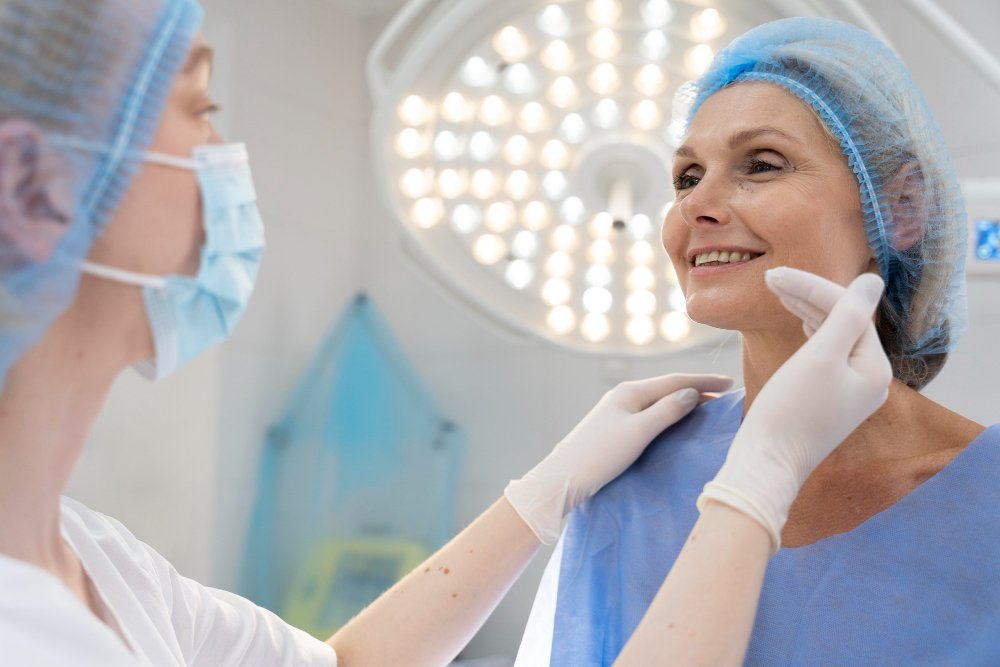
Facial fat grafting longevity has become one of the most widely researched topics among patients seeking authentic, long-lasting facial rejuvenation. Unlike traditional cosmetic filling methods that rely on external products, autologous fat transfer utilizes the patient’s own living tissue, ensuring absolute biocompatibility and remarkably harmonious results. In addition to restoring lost deep tissue volume, this organic micro-injection procedure promotes cellular skin regeneration, making it an excellent, scientifically sound option for individuals seeking comprehensive, lifetime anti-aging care. If you are exploring permanent facial shape restoration and want to consult with elite specialists, planning your Plastic Surgery in Brazil connects you with globally renowned surgeons who specialize in advanced structural fat transfers.
As the body navigates the natural aging process, it is exceptionally common to experience structural facial volume loss, especially across the malar cheeks, the delicate under-eye region, the temples, and the lower jaw contours. This progressive deflation causes the overlying skin to sag, directly contributing to a tired, drawn, and aged appearance. Maximizing facial fat grafting longevity allows you to directly address this structural degradation by restoring soft youthfulness in a completely natural, balanced way that moves fluidly with your facial expressions.
What Is Autologous Facial Fat Transfer?
To truly appreciate facial fat grafting longevity, one must understand the biological mechanics behind the procedure. Facial fat grafting—clinically referred to as autologous fat transfer or lipofilling—is a surgical technique that involves harvesting healthy, living fat cells from a donor area on the patient’s own body (typically from regions with dense adipose reserves like the lower abdomen, flanks, or inner thighs) and meticulously transferring them to deficient zones of the face.
After the gentle extraction phase, the harvested tissue undergoes a specialized washing and purification process to isolate pure, viable fat cells from inflammatory free oils, blood, and tumescent fluids. Once prepared, this concentrated tissue is carefully injected into the facial areas requiring structural support. Because this graft consists of fully viable, living cellular material, the transferred tissue integrates directly into the recipient facial layers, establishing a permanent blood supply. This cellular integration is the biological engine that supports excellent facial fat grafting longevity over several decades. Additionally, because the material comes entirely from your own body, the risk of allergic reactions or tissue rejection is non-existent, making the procedure remarkably safe.
The Core Structural Benefits of Facial Fat Transfer
One of the main clinical advantages of utilizing autologous tissue over synthetic materials is the exceptional, lifelike quality of the final outcome. Unlike synthetic dermal fillers, which can sometimes appear heavy, stiff, or shift out of position during active expressions, living fat behaves precisely like your native facial tissue. It seamlessly adapts to your muscle movements over time and ages completely in sync with the rest of your body, which is a key component of long-term facial fat grafting longevity.
Another critical benefit of this procedure is its deep, localized regenerative effect on the overlying skin blanket. Human adipose tissue is naturally rich in Mesenchymal Stem Cells, specifically Adipose-Derived Stem Cells (ADSCs). Once integrated into your facial structures, these powerful cells continuously release essential growth factors that actively repair the dermis, enhancing natural skin firmness, refining texturing, clearing fine lines, and promoting a radiant, healthy glow.
Furthermore, this versatile technique allows multiple areas of the face to be addressed simultaneously during a single surgical session. Deep nasolabial folds, hollow under-eye tear troughs, thin lips, flat cheeks, and weak jawlines can all be systematically corrected, resulting in a balanced rejuvenation. When evaluating durability, facial fat grafting longevity stands out because once the early stabilization window closes, the surviving volume remains indefinitely. To review documented before-and-after photographic evidence showing how this advanced tissue transfer balances facial features over time, you can examine patient results here: Check out the results of some patients.
Understanding the Factors That Dictate Facial Fat Grafting Longevity
A critical milestone in your facial rejuvenation journey is understanding what directly influences facial fat grafting longevity in the human body. During the initial 3 to 6 months post-surgery, a natural biological process known as reabsorption occurs, during which the body safely clears fat cells that failed to connect to local blood vessels.
The ultimate facial fat grafting longevity depends heavily on three main variables:
The handling technique of the surgeon: Adipocytes are incredibly fragile; using low-pressure manual extraction protects cell walls, ensuring a higher survival rate.
The multi-planar placement method: Injecting the fat in tiny micro-droplets across multiple layers ensures every cell is close to a blood vessel, maximizing facial fat grafting longevity.
The patient’s weight stability: Because these are living cells, gaining or losing a significant amount of weight will cause the transferred cells to expand or shrink, altering your facial appearance.
How the Precision Procedure Is Safely Performed
The path to achieving excellent facial fat grafting longevity is carried out through three distinct, highly meticulous surgical steps. First, the donor site is prepared with a specialized fluid mixture to minimize bruising, and the fat is gently harvested using thin, smooth cannulas. This soft approach prevents the mechanical destruction of the cells.
Next, the harvested fat is processed using sterile closed filtration or low-speed centrifugation. This step isolates clean, viable adipocytes from unwanted fluids and damaged cells, ensuring only the highest-quality tissue is chosen for reinjection. Finally, the surgeon uses specialized micro-cannulas to place the fat across multiple facial layers. This precise, layered delivery maximizes tissue contact with local blood vessels, which is critical for securing a stable blood supply and optimizing facial fat grafting longevity. To learn more about customized pre-operative mapping, advanced cellular processing, and certified hospital environments, you can visit the main Belvivere medical group website.
Recovery and Post-Procedure Guidelines
The recovery phase following a structural fat transfer is generally smooth, predictable, and manageable. During the initial 7 to 10 days, patients will experience mild localized swelling and light bruising at both the harvest donor site and the injection areas on the face. These inflammatory effects are a normal part of the healing process and gradually resolve as the micro-circulation repairs itself.
To safeguard your investments and optimize facial fat grafting longevity, strictly adhering to all post-operative care instructions is mandatory. Patients must avoid applying direct pressure or massaging the treated facial zones during the first month, as physical compression can disrupt newly forming blood vessels and damage fragile cells. Keeping the head elevated during sleep, avoiding strict calorie-restricted diets, and avoiding strenuous exercise during the early weeks provide the ideal environment for tissue survival, ensuring your facial fat grafting longevity reaches its highest potential.
Who Is an Ideal Candidate for This Procedure?
Autologous fat transfer is ideal for individuals presenting with visible facial deflation, deep hollows under the eyes, sunken temples, or mild to moderate skin laxity. Because it relies on the patient’s own tissue, it is a fantastic alternative for individuals who want to avoid synthetic fillers or those who require a large volume of restoration that would be impractical to treat with commercial gels alone.
Additionally, this technique is frequently utilized as a powerful complementary procedure during comprehensive structural surgeries, such as a deep-plane facelift or a neck lift. While a facelift lifts sagging muscles, fat transfer addresses volume loss, combining to unlock exceptional results and maximum facial fat grafting longevity.
Conclusion: Investing in Timeless Facial Harmony
In conclusion, autologous tissue transfer stands out as a premier anti-aging option because it introduces living tissue that integrates into your anatomy and evolves naturally with your face over time. It is not a synthetic product with a fixed expiration date, but an advanced surgical technique that requires artistic judgment, precision planning, and meticulous technical skill to ensure excellent facial fat grafting longevity.
By using your own living cells, this procedure provides natural volume restoration along with deep regenerative skin benefits, delivering a refreshed look that stands the test of time. Ultimately, the true success of your journey relies on choosing an experienced, board-certified specialist who prioritizes patient safety and understands tissue dynamics. Investing in an individualized, well-planned treatment path allows you to achieve a beautiful transformation while preserving your authentic facial identity and securing outstanding facial fat grafting longevity for many years to come.