
Facial Anatomy Layers: Why Surgical Planes Matter

Understand the major facial layers, how they change by region, and why surgical planes must be matched to anatomy, function and previous treatments.
Composite Flap Facelift: Meaning, Benefits and Limits

Composite flap describes connected tissues moved together during selected facelifts. Learn what the term means, its potential benefits and limitations.
Malar Fat Pad and Midface Aging: Lift, Volume or Both?

Midface aging can involve tissue descent, volume loss, eyelid anatomy, skeletal support and edema. Learn when lift, fat grafting or neither may help.
Buccal Fat Removal: Candidacy, Risks and Facial Aging

Buccal fat removal can narrow selected lower cheeks, but it does not treat jowls, weight-related fullness or every round face.
Hyaluronidase for Fillers: What It Can and Cannot Reverse

Hyaluronidase breaks down hyaluronic acid filler, but response varies and it cannot dissolve biostimulators, PMMA, silicone or fat.
Hybrid Blepharoplasty: What It Treats—and What It Cannot
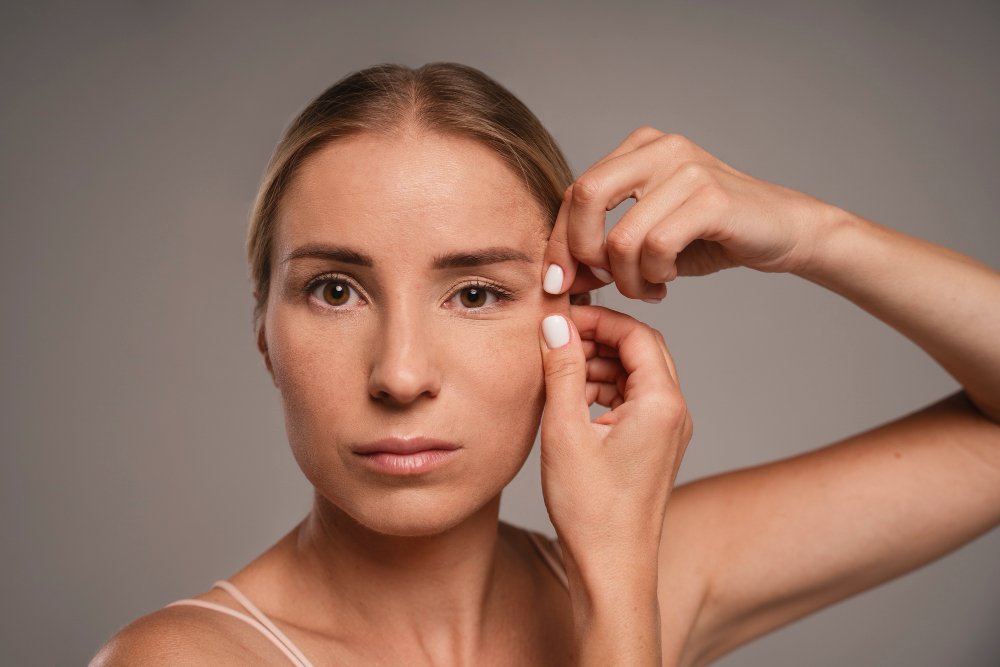
Hybrid Blepharoplasty evaluates skin, muscle, fat, brow position, eyelid support, volume and skin quality while preserving eyelid function.
Facelift Techniques Compared: SMAS, Deep Plane and Video Surgery

Compare SMAS, Deep Plane, video-assisted surgery and neck procedures by anatomical region, surgical scope, limitations and recovery.
Natural-Looking Facial Surgery: Preserving Identity and Proportion

Natural-looking facial surgery depends on individualized anatomy, restraint and preserving expression—not one fashionable technique.
Choosing Facial Rejuvenation Procedures by Anatomy

Natural facial rejuvenation begins by separating tissue descent, volume loss, eyelid and brow changes, neck anatomy and skin quality.
Facial Rejuvenation in Brazil: Planning a Safe Surgical Journey
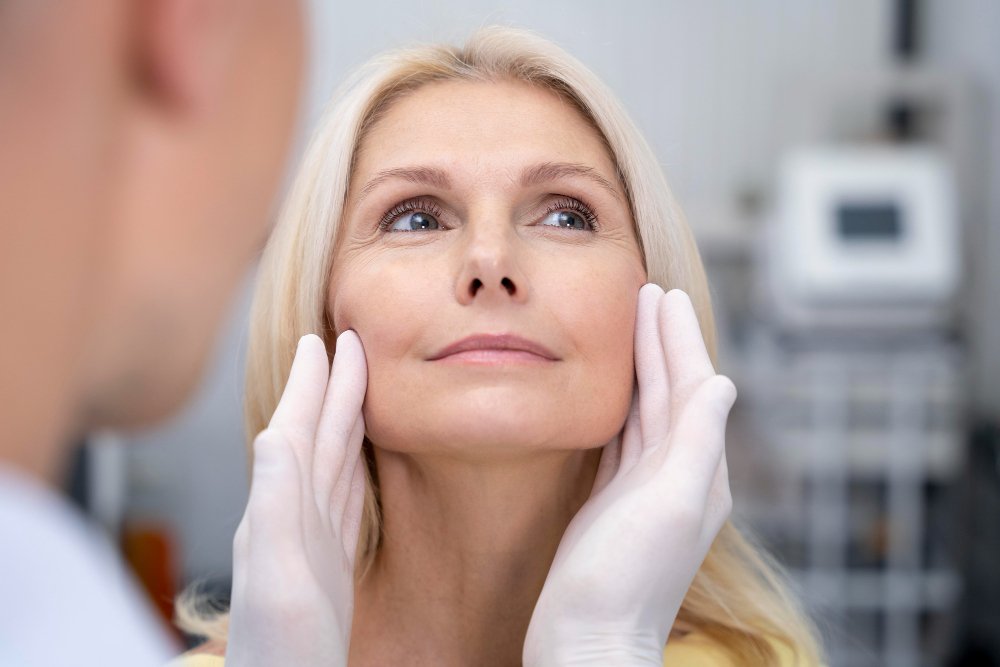
A practical guide for international patients planning facial surgery in Brazil, from remote assessment and hospital care to recovery and travel clearance.
Individual Facial Analysis Before Surgery: What Should Be Assessed?

A complete facial analysis evaluates brow, eyelids, midface, lower face, neck, movement, medical history and previous aesthetic treatments.
Nutrition and Weight Stability Before Facial Surgery

Nutrition, nicotine, weight stability, GLP-1 medicines, supplements and general health can influence facial-surgery planning and recovery.
