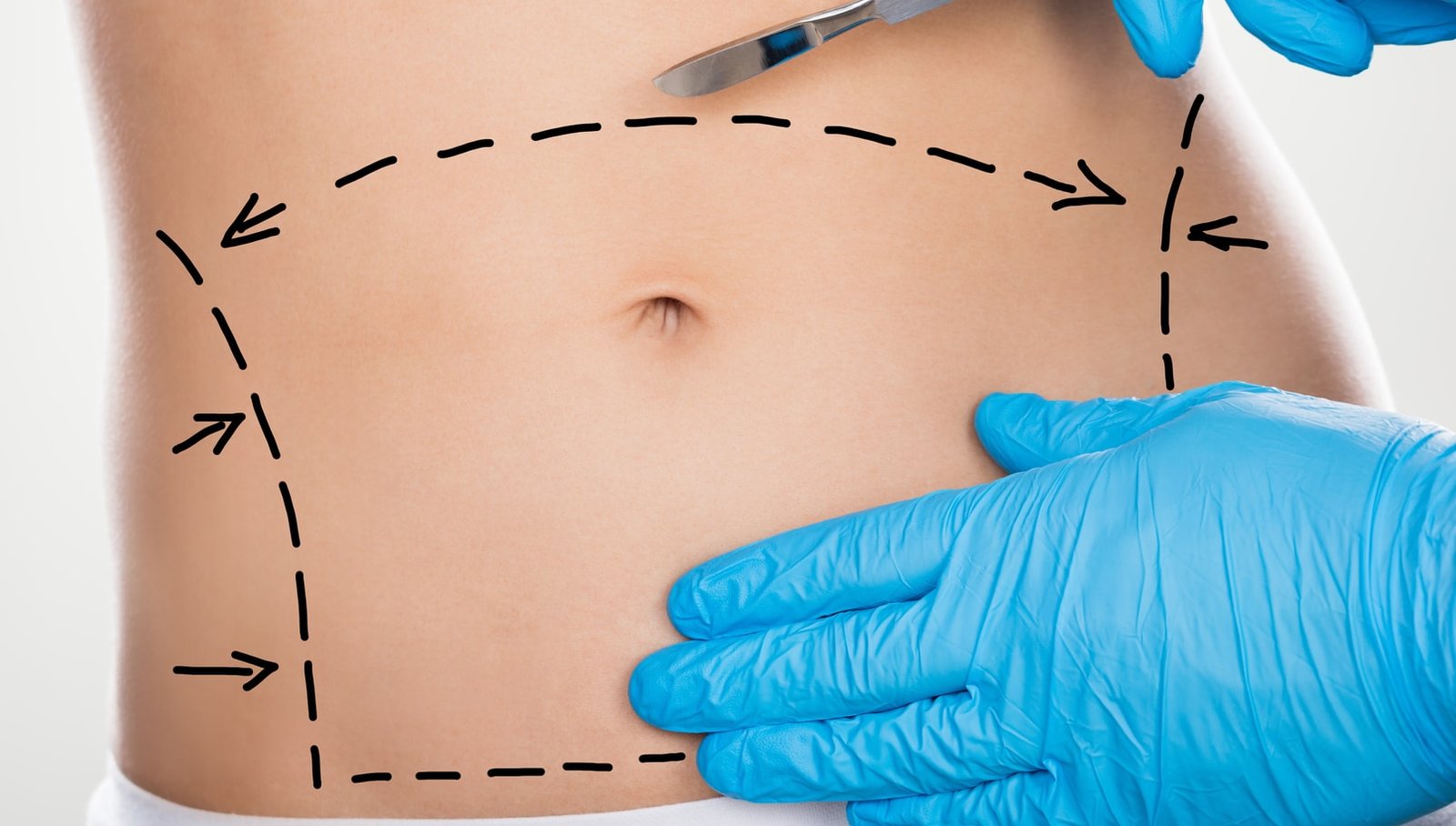
Abdominoplasty remains one of the most effective and durable solutions in body contouring for individuals seeking to restore a flat, firm abdominal profile. Often referred to simply as a tummy tuck, this specialized procedure focuses on removing excess skin, correcting stubborn fat pockets, and tightening weakened or separated muscles within the abdominal wall. Whether due to the natural changes of aging, major weight loss, or pregnancy, many men and women find that diet and targeted exercise alone are not enough to restore their structural contour.
Understanding the deep surgical and recovery process of an abdominoplasty is the first step toward achieving your aesthetic and functional goals. Choosing a premier destination for your transformation plays an indispensable role in securing your health, comfort, and final results. For those looking for world-class surgical mastery and state-of-the-art medical environments, opting for Plastic Surgery in Brazil provides direct access to internationally recognized specialists who treat body sculpting with absolute precision and refined artistry.
What is an Abdominoplasty and How Does it Work?
An abdominoplasty is a major surgical procedure that reconstructs the entire front midsection of the body. Unlike less invasive procedures like liposuction—which only removes fat tissue—this surgery alters the actual framework of your abdomen. By removing loose skin folds that have lost their natural elasticity, the surgeon is able to create a smooth, tight skin drape over the newly defined abdominal contours.
During the operation, the surgeon creates a precise horizontal incision just above the pubic mound. The length of this incision varies depending on the amount of skin that needs to be removed. Through this gateway, the underlying abdominal muscles are carefully accessed, brought closer together, and stitched securely into their original, firm positions, which significantly improves both physical function and appearance.
The Different Approaches to Abdominoplasty
The Full Abdominoplasty: This classic method is the most comprehensive choice, addressing the entire abdominal region from the rib cage down to the pubic area. It involves a full muscle plication and requires the creation of a new opening for the naval to ensure natural proportions.
The Extended Abdominoplasty: Ideal for patients who have lost a significant amount of weight, this extensive option extends the horizontal incision around the flanks to address loose skin on the sides of the lower back and hips.
The High-Lateral Tension Abdominoplasty: This advanced technique pulls the skin from both a vertical and horizontal direction, transferring the tension to the hips rather than the center, which helps shape an exceptionally contoured waistline.
The Core Benefits of a Traditional Abdominoplasty
The decision to move forward with an abdominoplasty offers deep rewards that extend far beyond simple structural aesthetics. It serves as a true restorative treatment for your core health.
Comprehensive Correction of Diastasis Recti
One of the most important aspects of a full abdominoplasty is the direct repair of diastasis recti, a common condition where the left and right vertical abdominal muscles separate. This separation frequently occurs during pregnancy or after dramatic weight fluctuations, leading to a permanent outward protrusion or “pooch” that cannot be corrected by physical exercise. By surgically binding these core muscles back together, the procedure restores structural integrity, supports your posture, and effectively flattens the profile of the stomach.
Functional Health Improvements
Beyond the visible visual changes, rebuilding the core muscle wall can provide noticeable functional benefits for your body. Many patients experience a substantial reduction in chronic lower back pain and an improvement in overall core strength and posture. To visualize the incredible physical changes that occur through this specialized repair work, you can Check out the results of some patients. and observe the profound differences achieved through expert surgical care.
Preparing Properly for Your Abdominoplasty Journey
Preparation is the ultimate foundation of a seamless surgical experience. When you decide to undergo an abdominoplasty, your medical team will build a comprehensive, highly personalized plan to ensure your body is fully optimized for a safe operation and a quick recovery.
The Initial Medical Evaluation
Your journey begins with a highly detailed consultation. Your plastic surgeon will evaluate your overall physical health, skin quality, fat distribution, and the exact state of your abdominal muscles. It is essential to be completely transparent about your complete medical history, previous operations, and any lifestyle habits to ensure the highest standard of safety.
Crucial Lifestyle Adjustments Before Surgery
Complete Smoking Cessation: Nicotine constricts blood vessels and dramatically lowers oxygen levels in the blood, which can severely compromise tissue survival and wound healing. Patients must stop all smoking products several weeks prior to surgery.
Medication Management: You will be instructed to stop taking specific anti-inflammatory medications, aspirin, and herbal supplements that can increase bleeding risks during the procedure.
Home Preparation: Set up a dedicated, comfortable recovery space in your home filled with extra pillows, loose clothing, and easy access to your prescribed medications and fluids.
The Recovery Phase: Step-by-Step Healing
The healing timeline after an abdominoplasty requires patience, discipline, and a strict adherence to your surgeon’s post-operative guidelines. Because your abdominal muscles are tightened, your body will need time to adjust to the new internal tension.
The First Two Weeks Post-Op
The initial week of your abdominoplasty recovery is the most intense period. You will experience localized swelling, bruising, and a feeling of tightness across your abdomen. Standing fully upright will be difficult at first, and you will be advised to walk with a slight forward bend to prevent unnecessary strain on your incision lines. You will also wear a medical-grade compression garment continuously to support the tissues and minimize fluid accumulation.
Weeks Three to Six
By the third week, the acute discomfort will fade, allowing most patients to taper off prescription pain medications and return to light, sedentary work activities. Walking frequently at a gentle pace is highly recommended during this phase to keep your blood circulation moving smoothly. However, heavy lifting, strenuous exercise, and core-focused workouts must remain completely restricted to protect your internal muscle repairs.
Long-Term Tissue Maturation and Scar Care
The deep tissues can continue to heal, settle, and remodel for up to a full calendar year after an abdominoplasty. The surgical scar will initially appear pink or slightly raised, but with consistent topical silicone sheet therapy and diligent protection from direct UV sunlight, it will gradually flatten, soften, and fade significantly over time.
Selecting an Elite Infrastructure for Your Procedure
A flawless transformation relies equally on advanced surgical execution and high-quality post-operative care. Choosing an accredited clinic ensures you receive continuous guidance through every milestone of your abdominoplasty.
By partnering with highly respected clinical centers, such as the dedicated specialists at Belvivere, you gain immediate access to advanced healing protocols, specialized lymphatic drainage treatments, and comprehensive clinical support tailored specifically to your unique anatomical needs.
Frequently Asked Questions About Abdominoplasty
What is the difference between a mini tummy tuck and an abdominoplasty?
A mini tummy tuck only addresses a small amount of loose skin and muscle laxity below the navel, requiring a much shorter incision. A full abdominoplasty addresses the entire abdominal area from the rib cage down, offering a complete repair of separated muscles along the entire midline.
Can I get pregnant after undergoing an abdominoplasty?
While it is technically safe to become pregnant after this surgery, a future pregnancy will stretch the abdominal muscles and skin out again, potentially undoing the aesthetic and functional improvements achieved by the operation. It is highly recommended to wait until your family is complete before undergoing the procedure.
How long do the results of a standard abdominoplasty last?
The structural changes achieved by a full abdominoplasty are designed to be permanent. However, significant weight fluctuations, aging, or subsequent pregnancies can alter your results over time. Maintaining a stable weight and a healthy lifestyle is the best way to preserve your flat contour.