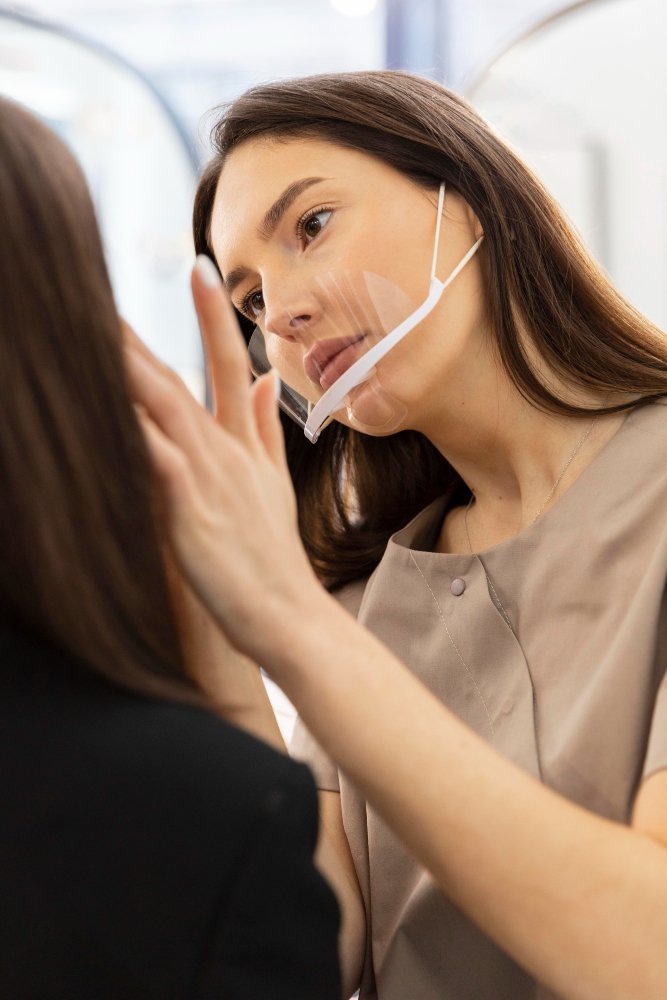
Hybrid blepharoplasty is rapidly becoming one of the most discussed and highly sought-after advanced cosmetic procedures for comprehensively rejuvenating the eye area. The eyes are often the very first place to show visible signs of chronological aging, fatigue, and stress. However, despite its growing popularity, many people still hold significant doubts about what this specialized surgery can actually improve—especially when it comes to complex issues like stubborn dark circles, hollow eyes, and persistent under-eye bags.
In this detailed article, you will clearly understand the definitive differences between traditional eyelid surgery and hybrid blepharoplasty, including exactly what each surgical technique can and cannot treat.
Limitations of Traditional Blepharoplasty
Traditional blepharoplasty is a time-tested surgical technique mainly designed to remove excess, sagging skin and bulging fat pads from the upper and lower eyelids. For decades, it has been highly effective in creating a more awake, youthful, and refreshed appearance for patients with severe tissue laxity.
However, it is absolutely crucial to be clear about its structural boundaries: traditional blepharoplasty does not improve the actual pigmentary color of dark circles.
Furthermore, a standard skin-and-fat excision does not correct:
Dark structural pigmentation under the eyes caused by vascular issues or melanin.
A hollow, sunken, or skeletal under-eye appearance in the tear trough zone.
Fine lines, crinkles, and static wrinkles that appear prominently when smiling.
In other words, while the traditional approach is excellent for treating heavy excess skin and prominent fat herniation, it completely fails to address the multi-dimensional aspects of aging around the delicate periorbital eyes. This is precisely where the innovative approach of hybrid blepharoplasty enters the modern aesthetic landscape.
What Is Hybrid Blepharoplasty?
An Advanced Multi-Modality Approach
A hybrid blepharoplasty is an advanced, multi-modality approach that gracefully combines traditional excisional surgery with cutting-edge complementary autologous treatments. By blending structural changes with biological cellular therapy, it delivers significantly more complete, balanced, and completely natural-looking results than older surgical methods.
This comprehensive technique involves two main structural and regenerative components:
1. Structural Fat Grafting
Micro-fat grafting is utilized during a hybrid blepharoplasty to carefully restore lost volume in hollow areas directly under the eyes, such as the tear trough and palpebromalar grooves. This precise step helps to:
Drastically reduce a chronically sunken or hollow appearance.
Improve the smooth anatomical contour of the midface and under-eye area.
Create a more youthful, well-rested, and structurally stable look.
2. Regenerative Nanofat Treatment
Nanofat is a highly refined, liquefied form of the patient’s own fat tissue that has been mechanically filtered to remove mature fat cells while concentrating a dense matrix of regenerative cells, growth factors, and stem cells. During a hybrid blepharoplasty, nanofat is superficially delivered to:
Significantly improve overall skin quality, elasticity, and dermal thickness.
Reduce dark vascular or structural pigmentation under the lower eyelids.
Promote entirely natural, deep skin rejuvenation from the inside out.
With this powerful, dual-action combination, a hybrid blepharoplasty successfully addresses not only volume loss and tissue sagging but also superficial skin texture, health, and tone.

Malar Bags and Malar Edema: What You Need to Know
Another incredibly common aesthetic concern in the periorbital region is the presence of malar bags and malar edema. These conditions appear as frustrating swelling, puffiness, or festoons on the outer part of the under-eye area, sitting right over the cheekbones.
It is vital to understand that these conditions have entirely different structural causes:
Malar Bags: These are related to chronic fat accumulation, severe structural ligament laxity, or permanent skin sagging over the zygomatic arch.
Malar Edema: This condition is primarily caused by localized fluid retention and poor lymphatic drainage in the midface tissue spaces.
Crucial Medical Insight: Malar edema does not improve with standard surgery, not even with advanced lifting procedures like a temporal lift or a traditional lower blepharoplasty. This is because the issue is not caused by excess skin or structural fat, but by constant fluid accumulation in the area.
How Hybrid Blepharoplasty Helps in These Tricky Cases
Although true malar edema cannot be fully eliminated surgically or cut away with a scalpel, a hybrid blepharoplasty can dramatically improve the overall visual appearance of the face through a specialized technique known as aesthetic camouflage.
Instead of trying to aggressively remove the volatile edema—which would cause tissue trauma and worsen swelling—the surgeon uses hybrid blepharoplasty to strategically add micro-fat volume around the boundaries of the fluid pocket.
[Malar Edema Pocket] + [Strategic Surrounding Fat Grafting] = Smooth, Camouflaged Transition
This precise placement creates a beautifully balanced, level, and harmonious contour. The result is a much smoother transition between the lower eyelid and the cheek regions, making the swollen fluid pocket look practically unnoticeable to the naked eye.
Fine Lines When Smiling: The Best Treatment Options
A very common misconception among cosmetic patients is that a lower eyelid surgery can fully erase the fine lines and wrinkles that appear exclusively when smiling. These are known as dynamic wrinkles, and they are driven by the strong contraction of the orbicularis oculi muscle around the eyes.
These dynamic, movement-based expressions are not improved by a hybrid blepharoplasty or any other structural surgical procedure. Trying to cut enough skin away to stop these lines would cause a severe complication called ectropion, where the eyelid turns outward.
For these dynamic lines, the best complementary treatment option is microbotox. This technique involves injecting highly diluted botulinum toxin superficially into the skin layer rather than deep into the muscle. It gently relaxes the superficial fibers responsible for the fine crinkles, resulting in smoother skin during facial movement without freezing your expressions.
Comparing the Approaches
When selecting the best path for your periorbital rejuvenation, comparing the exact capabilities of each procedure can guide your expectations.
| Aesthetic Concern | Traditional Blepharoplasty | Hybrid Blepharoplasty |
| Excess Skin Removal | Excellent | Excellent |
| Fat Pocket Reduction | Excellent | Excellent |
| Tear Trough Hollowing | No Improvement | Excellent (via Micro-Fat Grafting) |
| Dark Circles / Pigment | No Improvement | Significant Improvement (via Nanofat) |
| Malar Edema Visuals | No Improvement | Improved (via Aesthetic Camouflage) |
| Skin Quality / Elasticity | Minimal Effect | High Rejuvenation (via Regenerative Cells) |
Choosing Elite Care for Your Eyes
Because the periorbital region is highly delicate, any intervention requires a profound knowledge of micro-anatomy, lymphatic pathways, and tissue planes. For global patients seeking an unparalleled level of safety and artistry, choosing to undergo Plastic Surgery in Brazil places them in the hands of internationally renowned pioneers of deep tissue and regenerative facial styling.
To see real-world transformations utilizing these combined fat-grafting surgical protocols, you can Check out the results of some patients.
Furthermore, having a customized consultation at a world-class facility like the Belvivere Clinic ensures your unique facial structure, skin type, and aging patterns are fully respected, avoiding the generic, over-pulled looks of the past.

Conclusion
Traditional eyelid surgery remains an excellent, time-tested option for removing heavy excess skin and bulging fat bags. However, it possesses clear, undeniable limitations when it comes to addressing structural dark circles, hollow tear troughs, and poor dermal skin quality.
The modern paradigm of hybrid blepharoplasty offers a much more comprehensive, elegant solution. By seamlessly combining classic surgical excellence with advanced autologous regenerative fat treatments, it delivers incredibly natural, soft, and balanced results that age beautifully over time.
If you are looking for a true, complete rejuvenation of your eye area that restores both form and cellular health, understanding these structural differences is an essential step toward choosing the ideal procedure for your face.