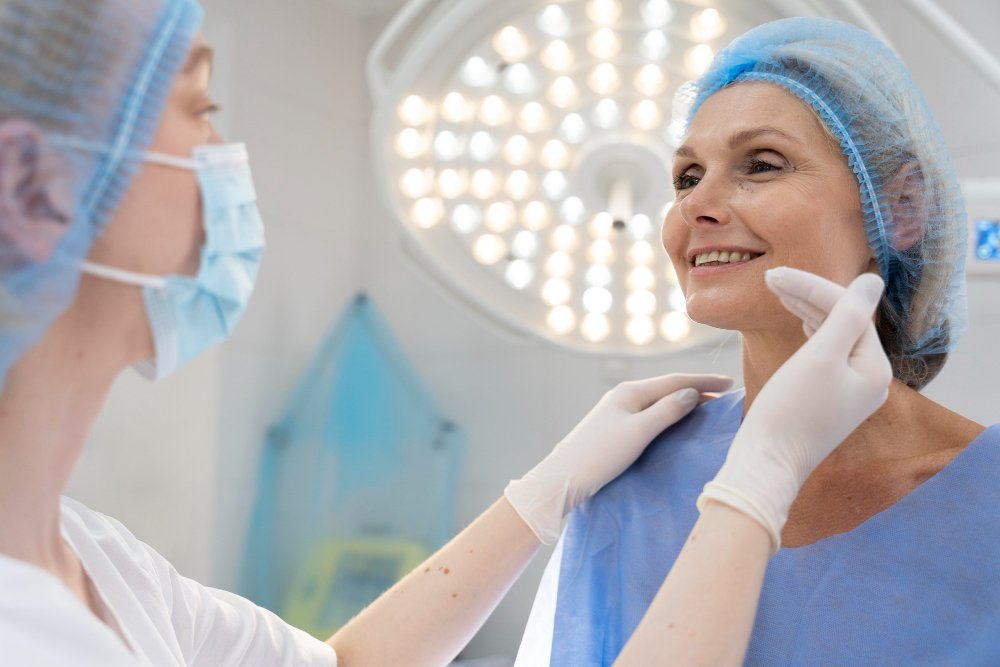
Modern techniques for natural rejuvenation have fundamentally transformed the field of aesthetic medicine and plastic surgery. For decades, the primary goal of cosmetic interventions was simply to pull the skin as tight as possible or fill lines until the face appeared completely flat. This older paradigm frequently resulted in an artificial, “worked-on” look that stripped individuals of their unique facial expressions.
Today, the global aesthetic consensus has shifted toward preserving personal identity, restoring deep anatomical foundations, and prioritizing tissue health. Advanced procedures no longer focus on changing how a person looks, but rather on reversing the structural signs of biological aging.
In this comprehensive article, we will delve into the science behind these sophisticated procedures, explain how they target different layers of the face, and guide you on how to achieve a refreshed, youthful appearance safely.
The Structural Science of Facial Aging
To understand why modern techniques for natural rejuvenation are so vital, one must first look at the multi-layered process of facial aging. Aging is never a superficial issue that exists solely on the surface of the skin. Instead, it is a complex, three-dimensional breakdown of multiple anatomical systems.
The Dynamic Collapse of Facial Layers
As the body matures, distinct changes occur across every structural layer of the face:
Bone Resorption: The skeletal framework, particularly around the jawline, orbits, and cheekbones, gradually loses density and shrinks.
Deep Fat Depletion: The deep fat compartments that provide youthful projection to the midface begin to atrophy, causing a sunken appearance.
Ligament Laxity: The retaining ligaments that securely anchor facial tissues to the underlying bone weaken and stretch out over time.
Superficial Fat Descent: Superficial fat pads, such as the malar fat pad, lose their underlying support and slide downward, pooling against fixed lines to create jowls and deep nasolabial folds.
Because the aging process is structural, surface-level treatments like standard skin pulling cannot yield a believable result. True rejuvenation requires specialized interventions that re-architect the face from its foundation.
Deep Tissue Surgery: The Foundation of Youthful Contours
How Surgical Mastery Implements Modern Techniques for Natural Rejuvenation
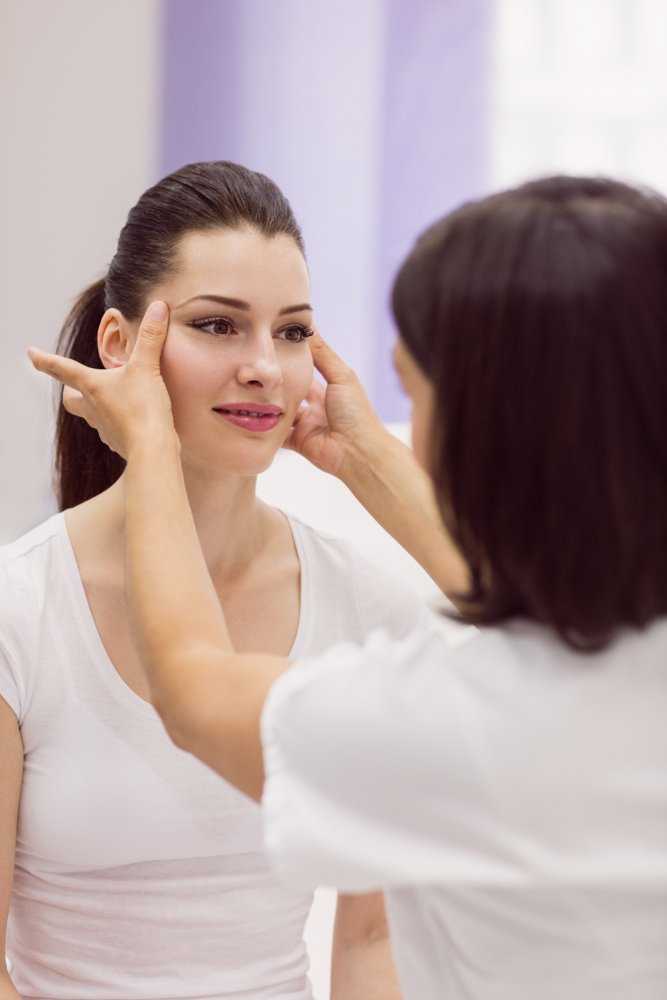
When addressing moderate to severe facial sagging, surgical procedures remain the most effective option. However, contemporary surgery relies on sophisticated maneuvers that completely avoid putting tension on the skin.
The deep plane facelift is a prime example of how surgical modern techniques for natural rejuvenation operate. Instead of separating the skin from the muscle, a deep plane lift enters the natural anatomical space beneath the Superficial Musculoaponeurotic System (SMAS).
[Traditional Facelift: Pulls Skin Laterally] ---> Risk of a Tight, "Windswept" Appearance
[Deep Plane Facelift: Lifts Deep Layers Vertically] ---> Soft, Stress-Free Skin and Natural Movement
Releasing and Repositioning the Structural Unit
By entering this deep anatomical plane, a qualified plastic surgeon can fully release the tight zygomatic and masseteric retaining ligaments. Once these restrictive bands are freed, the fallen muscle and fat pads can be effortlessly shifted back to their original, youthful positions.
Because the skin remains naturally attached to the SMAS layer during this lift, the entire structural unit is moved together. This preserves the delicate blood vessels, dramatically reduces post-operative swelling, and ensures that the final result looks soft, balanced, and completely un-operated.
Regenerative Medicine: Cellular Rejuvenation from Within
Another remarkable pillar of modern techniques for natural rejuvenation is the integration of regenerative medicine into daily aesthetic practices. Rather than relying heavily on synthetic dermal fillers that attract excess water and risk causing chronic puffiness, modern practitioners utilize autologous tissue.
Autologous fat grafting, also known as lipofilling, involves harvesting a patient’s own living fat cells from areas like the abdomen or thighs, purifying the tissue, and strategically reinjecting it into the face. This method provides dual-action benefits: structural volume restoration and cellular skin rejuvenation.
Micro-fat Grafting for Structural Volume
Micro-fat consists of tiny, intact fat cells used to replace deep volume loss. It is precisely placed along the cheekbones, temples, and jawline to rebuild the natural contours that have deflated over time. This ensures the face retains a youthful, three-dimensional shape without looking artificial.
Nanofat for Dermal Regeneration
Nanofat is a highly filtered, liquefied form of fat tissue. While it contains no mature fat cells, it is exceptionally rich in stem cells, endothelial cells, and vital growth factors. When injected superficially into the dermal layers, nanofat actively repairs sun damage, thickens thin skin, improves elasticity, and lightens dark under-eye pigmentation.
By utilizing your body’s own living cellular matrix, these modern techniques for natural rejuvenation ensure that your skin glows with health and moves naturally during everyday facial expressions. For patients seeking this elite tier of regenerative and structural care, exploring options for Plastic Surgery in Brazil provides access to world-class facial specialists.
Non-Surgical Refinements: The “Less Is More” Approach
For individuals experiencing early signs of aging or those who prefer to avoid the operating room, non-surgical modern techniques for natural rejuvenation offer a highly effective alternative. The key to success with non-surgical tools lies in subtle micro-dosing and strategic anatomical placement.
Micro-Botox and Neuromodulation
Traditional applications of botulinum toxin often aimed to completely freeze facial muscles, which frequently resulted in an unnatural look. Contemporary techniques utilize “micro-botox” or “baby-botox,” where highly diluted droplets are injected superficially into the skin layer. This approach relaxes the hyperactive muscle fibers responsible for fine surface crinkles while preserving full, natural expressions.
Biostimulators Over Traditional Fillers
While hyaluronic acid fillers are excellent for targeted corrections, modern aesthetic medicine heavily favors collagen biostimulators like poly-L-lactic acid (PLLA) or calcium hydroxylapatite (CaHA). These substances do not simply fill a wrinkle; they trigger a localized inflammatory response that stimulates your body to produce its own fresh collagen network over several months. This results in a gradual, incredibly natural tightening of the skin that can last for up to two years.
Customization: Why Individualization Is Essential
A core rule of utilizing modern techniques for natural rejuvenation is that every single treatment plan must be fully customized to the patient’s unique anatomy. The outdated, standardized approaches to cosmetic work have been replaced by rigorous facial mapping.
Evaluating the Individual Vector of Aging
During an in-depth clinical consultation, a specialist will analyze how your face ages in real-time:
Skeletal Projection: Assessing the underlying bone structure ensures that volume is only added where natural support has diminished.
Skin Thickness and Laxity: Thin skin requires ultra-refined techniques to prevent visible lumps, whereas thicker skin may require deeper, structural lifting.
Dynamic Muscle Activity: Observing how your face moves during laughter, speech, and smiling prevents over-treatment and ensures your expressions remain harmonious.
By respecting these personal variations, modern procedures protect your inherent beauty. To see how these individualized surgical and cellular philosophies look in practice, you can Check out the results of some patients.
Selecting Premium Expertise for Your Transformation
Because the anatomy of the face is incredibly intricate, utilizing modern techniques for natural rejuvenation requires a professional with a deep understanding of tissue planes, nerve pathways, and facial proportions. Choosing a board-certified plastic surgeon who actively specializes in deep-tissue and regenerative work is the most critical decision a patient can make.
For global patients who demand an uncompromised standard of safety, medical innovation, and luxury, visiting a premier facility like the Belvivere Clinic guarantees that your aesthetic goals will be addressed with absolute precision and artistic elegance.
Conclusion
The evolution of modern techniques for natural rejuvenation represents a highly sophisticated turning point in aesthetic medicine. By moving past superficial skin-tightening and avoiding the pitfalls of overfilling, contemporary treatments focus on restoring the true, deep foundations of facial youthfulness.
Whether you choose a comprehensive deep plane facelift, an autologous fat transfer rich in regenerative stem cells, or a conservative non-surgical protocol, the focus remains entirely on facial harmony. Embracing these advanced, anatomically sound methods allows you to turn back the clock gracefully, ensuring you look like the absolute best, most vibrant version of yourself.