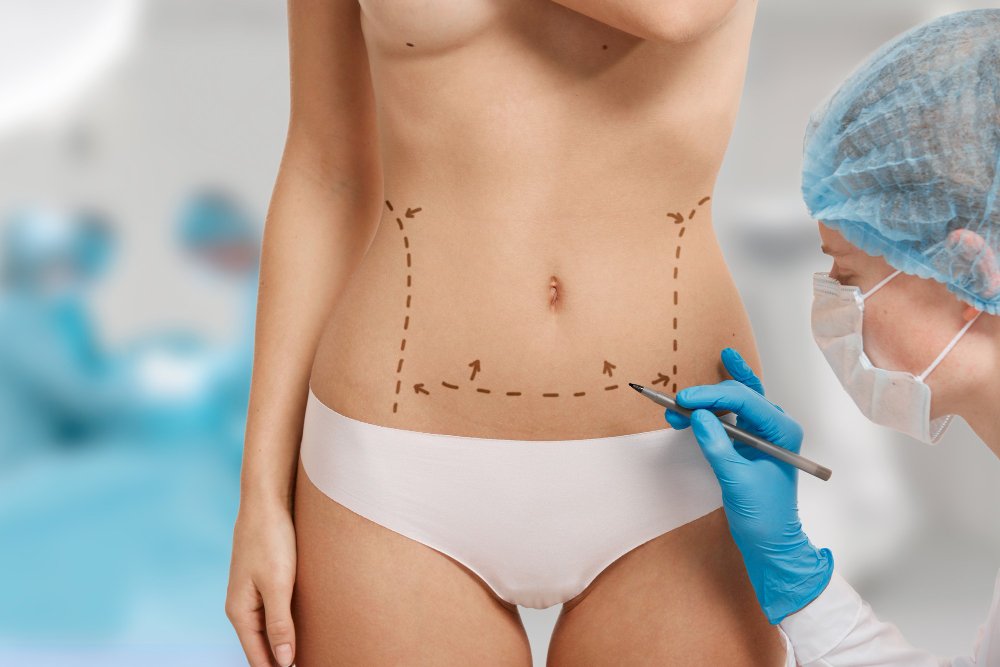
Does abdominoplasty leave the abdomen flat? This is one of the most common questions asked by individuals considering a tummy tuck to reshape their midsection. The short answer is yes, a tummy tuck is highly effective at flattening the abdomen by removing loose skin, eliminating excess fat, and tightening the underlying abdominal muscles. However, achieving a completely flat profile depends on various factors, including your individual anatomy, body mass index, and post-operative lifestyle.
Understanding the mechanics of body contouring is essential before scheduling a surgical procedure. Many people struggle with a protruding belly due to pregnancies, massive weight fluctuations, or natural aging. In these cases, diet and exercise alone often fail to restore a taut shape. A surgical intervention addresses structural changes that topical treatments and lifestyle shifts simply cannot fix.
To explore how these body transformations look in real life, you can Check out the results of some patients. and see how modern surgical techniques restore confidence and harmony to the torso.
Does Abdominoplasty Leave the Abdomen Flat? Analyzing the Surgery
To truly understand how this procedure shapes the body, we must answer the fundamental question: does abdominoplasty leave the abdomen flat? The surgical process addresses the three primary layers of the abdominal wall: skin, fat, and muscle. By targeting all three dimensions, a skilled plastic surgeon can flatten a protruding belly in ways that no other procedure can.
During the surgery, an incision is made across the lower pelvic region, typically from hip to hip. Through this opening, the surgeon accesses the underlying structures. If you have been wondering, “does abdominoplasty leave the abdomen flat?”, the secret lies heavily in the muscle repair phase. The abdominal rectus muscles, which often separate during pregnancy or due to heavy intra-abdominal pressure, are stitched back together. This internal corset effect instantly flattens the abdominal wall.
Next, the surgeon pulls the remaining skin downward, trims away the excess sagging tissue, and repositions the belly button if necessary. This stretching of the skin eliminates wrinkles, stretch marks below the navel, and folds, ensuring a sleek appearance. Therefore, when people ask, “does abdominoplasty leave the abdomen flat?”, the answer is rooted in this complete anatomical restoration.

What Does Abdominoplasty Leave the Abdomen Flat Look Like for Your Body Type?
Every individual possesses a unique skeletal structure and fat distribution pattern. Because of this, asking “does abdominoplasty leave the abdomen flat?” requires a personalized evaluation. For a patient with minimal intra-abdominal fat and significant skin laxity, the result is often an incredibly flat, athletic-looking abdomen.
+---------------------------------------------------------------------------------+
|               Factors Influencing the Flatness of Your Abdomen                  |
+---------------------------------------------------------------------------------+
| 1. Muscle Diastasis Repair: Tightening separated core muscles for structural flatness.|
| 2. Visceral Fat Levels: Fat around internal organs cannot be removed via surgery.|
| 3. Subcutaneous Fat Removal: Addressed through integrated lipo-abdominoplasty.  |
| 4. Post-Op Swelling: Temporary fluid retention that obscures final flat results.|
+---------------------------------------------------------------------------------+
However, if a patient carries a substantial amount of visceral fat—the deep fat that surrounds internal organs—the surgical outcome will differ. Visceral fat pushes the abdominal wall outward from the inside. Since plastic surgery cannot safely remove visceral fat, a patient with high internal fat levels might still experience some abdominal fullness even after a tummy tuck. To achieve the best outcome, it is ideal to be close to your goal weight before undergoing Plastic Surgery in Brazil.
Why Diet and Exercise Alone Might Not Flatten Your Belly
Many individuals dedicate months to rigorous core workouts and strict caloric deficits, yet they still find themselves asking: does abdominoplasty leave the abdomen flat because natural methods failed me? The reason lies in structural damage. When the skin loses its elasticity due to extreme stretching, it cannot shrink back down to its original tight form.
Furthermore, a condition known as diastasis recti (the separation of the left and right abdominal muscles) cannot be reversed through conventional exercise. Crunches and planks may strengthen the muscles, but they will not pull the separated bands back together. In fact, improper core exercises can sometimes make a split abdominal wall protrude even further.
Important Safety Note: A tummy tuck is a body contouring procedure, not a weight loss alternative. It is designed to sculpt and refine the midsection after major lifestyle changes or pregnancies have left behind irreversible structural damage.
This is exactly where surgical contouring bridges the gap. So, does abdominoplasty leave the abdomen flat when working out doesn’t? Absolutely, because it physically solves the mechanical failures of the tissues by removing the stretched-out skin and suturing the loose muscle tissue back into its proper, tight alignment.
Combining Liposuction with a Tummy Tuck for Maximum Flatness
To optimize your body contouring results, surgeons frequently combine a tummy tuck with liposuction. This blended technique, often referred to as lipo-abdominoplasty, addresses both the loose skin and the stubborn layers of subcutaneous fat. If your primary concern is “does abdominoplasty leave the abdomen flat across the entire torso?”, this combination offers the most complete answer.
While the traditional tummy tuck excels at removing vertical skin excess and tightening the central core, liposuction allows the surgeon to sculpt the flanks, love handles, and upper abdominal area. By thinning out the subcutaneous fat layer before pulling the skin taut, the entire midsection achieves a highly defined, three-dimensional flat appearance that blends seamlessly into the hips and lower back.
Managing Expectations: Post-Operative Swelling and Recovery
When evaluating the question, “does abdominoplasty leave the abdomen flat immediately after surgery?”, patients must be prepared for a temporary waiting period. Right after the operation, your abdomen will not look perfectly flat due to surgical trauma and significant fluid retention.
Typical Recovery Timeline for Abdominal Contouring:
- Weeks 1–3: High swelling, bruising, and a feeling of tightness. Wearing a compression garment is mandatory.
- Weeks 4–6: Swelling begins to subside; gradual return to light walking and daily routines.
- Months 3–6: Residual swelling clears up, revealing a firmer, flatter abdominal profile.
- 1 Year: Incision scars mature, fade, and the final structural flattening is fully realized.
Swelling is a natural part of the healing process. Your body sends fluids to the surgical site to assist in tissue repair. During the first few weeks, you will wear a specialized compression garment designed to minimize fluid buildup and support the newly tightened abdominal walls. It can take anywhere from three to six months for the majority of the swelling to dissipate, and up to a full year for the final, beautifully flat results to stabilize.
Does Abdominoplasty Leave the Abdomen Flat Long-Term? Maintaining Results
Once the swelling subsides and you see a beautifully flat midsection, the next vital question is: does abdominoplasty leave the abdomen flat permanently? The longevity of your surgical results is heavily dependent on your lifestyle choices after recovery. The structural changes made during surgery—such as the removal of skin cells and the muscle plication—are technically permanent, but your remaining fat cells can still expand.
Significant weight gain after a tummy tuck will stretch out the remaining skin and underlying muscles once again, reversing the gorgeous, flat profile achieved by the operation. Similarly, future pregnancies will separate the repaired abdominal muscles and re-stretch the skin. For this reason, plastic surgeons strongly recommend undergoing this procedure only when you are finished building your family and are confident in maintaining a stable, healthy weight.
To maintain your new contours, a balanced diet rich in whole foods, paired with regular cardiovascular activity and core-strengthening exercises, is essential. When backed by a stable lifestyle, the answer to “does abdominoplasty leave the abdomen flat for life?” is a resounding yes.
Choosing a Certified Surgical Team for Your Body Transformation
The success of your body sculpting journey relies heavily on the skill, artistic vision, and medical expertise of your surgical team. Safely performing a complex procedure like a lipo-abdominoplasty requires advanced anatomical knowledge and specialized hospital infrastructure to guarantee a smooth experience and minimize post-operative complications.
If you are looking for world-class surgical care, elite aesthetic standards, and comprehensive medical support, you should explore the specialized body contouring programs offered at belvivere.com.br. Investing in an experienced team ensures that your aesthetic goals are achieved with maximum precision, high-end safety protocols, and personalized care tailored to your unique anatomy.
Frequently Asked Questions About Tummy Tuck Results
Will a tummy tuck get rid of all my stretch marks?
An abdominoplasty will remove the stretch marks located on the lower abdomen that are cut away with the excess skin. Any stretch marks located above the belly button will be pulled downward into the lower abdominal area, making them less noticeable, but they may not be completely eliminated.
Can I get a flat stomach with a mini-tummy tuck?
A mini-tummy tuck only addresses a small amount of loose skin and muscle laxity below the navel. If you have generalized muscle separation or loose skin above the belly button, a full abdominoplasty is required to achieve a completely flat stomach.
How painful is the muscle tightening portion of the surgery?
The muscle repair phase creates an internal tightness that feels similar to the soreness experienced after an incredibly intense abdominal workout. This discomfort is managed effectively with prescribed pain medications and gradually improves over the first two weeks of recovery.