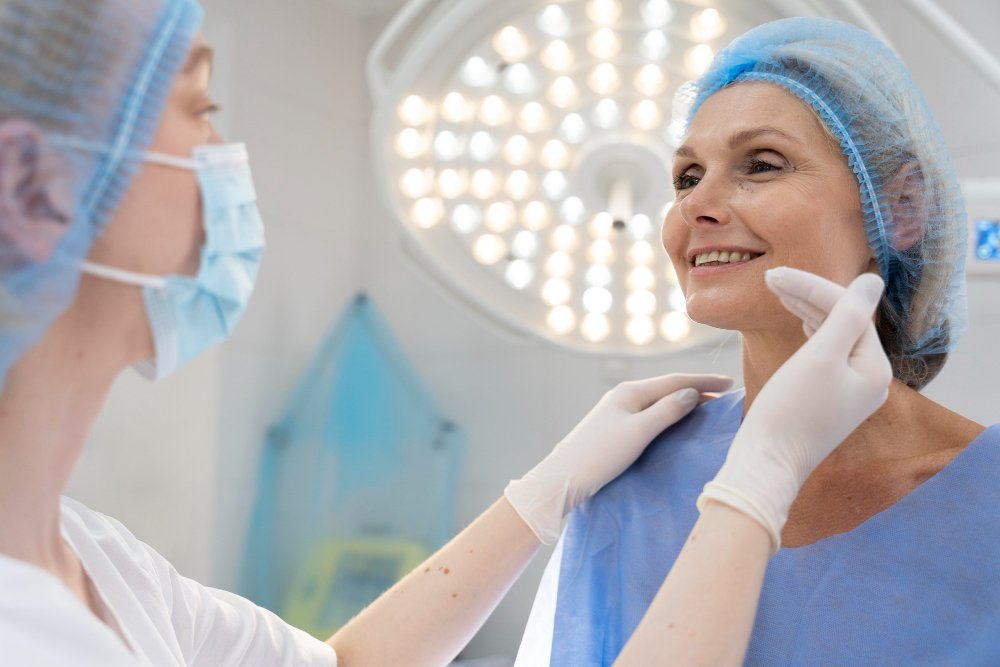
Glabellar wrinkles, commonly known as frown lines, the “11 lines,” or brow furrows, are the vertical and horizontal creases that develop in the skin between the eyebrows. This specific area of the face, known as the glabella, is highly expressive and plays a central role in conveying human emotions such as concentration, anger, worry, and sadness. Over time, repeated muscle contractions combined with natural aging can cause these temporary expression lines to become permanently etched into the skin structure.
Addressing glabellar wrinkles has become one of the most frequently requested goals in modern facial rejuvenation. Whether through non-surgical enhancements or advanced surgical interventions, smoothing out this central facial zone can dramatically refresh an individual’s appearance, replacing a perpetually tired or stern look with a vibrant, rested, and approachable expression.
The Anatomy and Formation of Glabellar Wrinkles
To effectively address and treat glabellar wrinkles, it is essential to look at the complex muscular anatomy of the upper face. The skin in the glabella region is tightly linked to a group of powerful depressor muscles that work in unison to pull the eyebrows downward and inward.
The Muscles Responsible for Frown Lines
The primary muscles involved in creating glabellar wrinkles are the corrugator supercilii and the procerus muscle. The corrugator muscles are located beneath the inner tail of the eyebrows, and when they contract, they pull the brows together, creating vertical creases. The procerus muscle sits horizontally across the bridge of the nose, and its contraction pulls the skin downward, forming horizontal lines.
When we are young, the skin possesses high levels of collagen and elastin, allowing it to snap back into place immediately after we frown. However, as the natural production of these essential structural proteins slows down with age, the skin loses its elasticity, and glabellar wrinkles transform from dynamic lines (visible only during movement) into static creases (visible even when the face is completely at rest).
Primary Treatment Options for Glabellar Wrinkles
Modern aesthetic medicine offers a broad spectrum of highly customizable solutions to treat and minimize the appearance of these lines, ranging from temporary non-invasive therapies to permanent surgical alterations.
Neuromodulators and Temporary Softening
For early-stage dynamic lines, injectables remain the most common entry point for managing glabellar wrinkles. These treatments temporarily block the nerve signals traveling to the corrugator and procerus muscles, allowing the overlying skin to relax and smooth out over several months.
Dermal Fillers for Deep Static Creases
When glabellar wrinkles have progressed to deep, static grooves that remain visible even when muscles are fully relaxed, neuromodulators alone may not be sufficient. In these advanced cases, specialized dermal fillers can be carefully injected into the deep dermis to plump up the skin from within, immediately reducing the depth of the lines.
Surgical Interventions for Permanent Rejuvenation
For individuals seeking a definitive, long-lasting solution that avoids the need for continuous touch-ups every few months, surgical approaches offer unparalleled results.
Endoscopic Brow and Forehead Techniques
Advanced surgical procedures, such as an endoscopic forehead or brow lift, provide an excellent method for eliminating severe glabellar wrinkles. During this minimally invasive operation, the surgeon utilizes high-definition cameras and specialized micro-instruments through tiny, hidden incisions inside the hairline.
This sophisticated visualization allows the medical team to directly access, weaken, or partially remove the overactive depressor muscles responsible for the furrows. By physically altering the underlying muscular framework, the surgery permanently smooths out glabellar wrinkles while simultaneously elevating sagging eyebrows to a natural, youthful arch.
Planning Your Advanced Facial Treatment Journey
Choosing to undergo a facial procedure requires careful clinical planning, professional evaluation, and access to premier medical environments.
The Virtual Evaluation and Custom Strategy
Your path toward smoother skin begins with a thorough digital medical evaluation. During this initial virtual consultation, you will discuss your primary concerns regarding glabellar wrinkles, share detailed photographs, and review your health history.
Your specialist will analyze your skin quality, muscle strength, and facial proportions to design a highly personalized treatment protocol that addresses your exact goals. This ensures a comprehensive plan is tailored specifically to your anatomy before your physical arrival at the clinic.
Comprehensive Logistics for International Patients
Top-tier medical institutions that regularly welcome global travelers offer dedicated concierge services to make the entire process smooth and comfortable. When organizing your Plastic Surgery in Brazil, bilingual care coordinators will manage all aspects of your travel logistics.
From arranging private airport transfers and booking certified recovery accommodations to coordinating your pre-operative laboratory tests, every step is carefully guided. Minimizing daily stress and resting in a tranquil environment is highly beneficial for preventing elevated blood pressure, which helps keep early post-treatment swelling to an absolute minimum.
Post-Treatment Care and Long-Term Results
Maximizing the longevity of your treatment and achieving a beautifully smooth glabella requires diligent adherence to specialized aftercare protocols.
Managing the Early Recovery Phase
Whether you choose a non-surgical approach or an advanced surgical muscle release, initial post-treatment care is vital. Following a surgical intervention that addresses glabellar wrinkles, patients may experience mild bruising, local swelling, or a temporary feeling of tightness between the eyes.
Keeping your head elevated during rest and applying cold compresses to the upper face can significantly accelerate initial tissue recovery. Following your prescribed medical instructions precisely ensures that the healing phase passes smoothly and comfortably.
Preventing the Progression of New Creases
Consistent Sun Protection: UV radiation accelerates the breakdown of dermal collagen, making the skin between the brows more susceptible to developing deeper glabellar wrinkles. Daily application of broad-spectrum SPF is essential.
Specialized Lymphatic Massage: Following surgical procedures, gentle manual physical therapy can stimulate local circulation, clear trapped fluids, and help the tissues heal into a smooth, natural position.
Proper Skin Hydration: Keeping the skin well-hydrated with targeted medical-grade skincare products supports overall tissue elasticity and resilience.
Choosing a Premier Surgical Facility for Facial Care
Because treating deep glabellar wrinkles through structural surgery requires an intimate understanding of facial nerves and delicate muscle groups, selecting an elite clinic is paramount.
Core Elements of Clinical Safety and Excellence
An elite clinical setting must combine state-of-the-art diagnostic tools with highly experienced, board-certified surgeons. The operating environment should adhere strictly to rigorous international standards of safety and hygiene. Clear, fluid communication with a bilingual medical staff ensures that every detail of your care plan, medication schedule, and follow-up consultation is executed flawlessly.
If you are looking for an international benchmark of aesthetic innovation, patient safety, and personalized luxury, you should learn more about the expert medical team at Belvivere. Operating from a world-class facility designed to offer total privacy and comfort, they specialize in creating beautiful, natural-looking outcomes that harmonize seamlessly with your unique facial features.
To see the exceptional, long-lasting improvements that can be achieved when advanced medical expertise is combined with a highly tailored approach, Check out the results of some patients who chose this elite path to restore their youthful vibrance and revitalize their confidence.
Restoring Balance and Youthful Harmony
Experiencing deep glabellar wrinkles can unintentionally alter how the world perceives your mood and energy levels, often masking your true vitality. By embracing modern advancements in aesthetic medicine and working alongside a highly qualified surgical team, you can effectively address these stubborn frown lines at their structural source.
Whether opting for specialized clinical enhancements or permanent surgical relaxation, taking a proactive approach to your facial rejuvenation allows you to step forward with absolute confidence, peace of mind, and a beautifully refreshed, natural appearance that lasts for years to come.