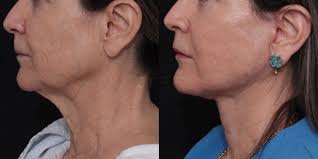
When swelling persists and how to treat residual neck volume is a topic of paramount importance for patients navigating the recovery phase of a neck lift or lower facelift. Experiencing post-operative edema is an entirely expected part of the healing process, as tissues require time to recover from surgical manipulation. However, when weeks turn into months and the contoured definition you expected remains hidden under a layer of puffiness, it is natural to feel anxious. Understanding when swelling persists and how to treat residual neck volume allows you to distinguish between normal fluid retention and actual anatomical issues, helping you make informed decisions about your long-term healing care.
If you are currently recovering from a procedure or planning a comprehensive facial rejuvenation, partnering with a clinic that guides you through every step of post-operative recovery is essential. To learn more about elite international patient coordination and safety standards, you can visit Belvivere. Choosing highly qualified specialists ensures that your healing trajectory is monitored with professional expertise and precision.
The Biological Mechanics of Post-Surgical Edema
To fully understand the reality of when swelling persists and how to treat residual neck volume, we must examine the biological response of the cervical tissues to surgical trauma. When a surgeon tightens muscles or removes fat, the localized lymphatic drainage pathways are temporarily disrupted.
[Surgical Incision & Manipulation] -> Temporary Disruption of Lymphatic Vessels
|
[Fluid Accumulation in Tissues] -> Post-Operative Swelling and Firmness
|
[Gradual Lymphatic Regeneration] -> Resolution of Volume Over 6 to 12 Months
The lymphatic system acts as the body’s natural drainage network, filtering out cellular waste and excess fluids. When these delicate channels are altered during surgery, fluid naturally accumulates in the surrounding tissues, leading to firmness, swelling, and a temporary loss of definition. This slow process of lymphatic regeneration explains when swelling persists and how to treat residual neck volume as an exercise in clinical patience, given that complete fluid resolution can take up to a full year.
Differentiating Swelling from Residual Structural Volume
A common challenge for patients during the early months of recovery is determining whether the fullness under their jaw is merely trapped fluid or actual tissue that requires further correction.
Fluctuating Edema: If the fullness changes throughout the day—often feeling firmer or more pronounced in the morning and softer after moving around—it is highly likely to be classic surgical swelling.
Static Residual Volume: If the shape, density, and size of the fullness remain completely unchanged over several weeks after the third month, it may indicate residual fat or relaxed muscle tissue.
Timeline of Normal Recovery and Settling
Every individual heals at a unique physiological pace. When looking at when swelling persists and how to treat residual neck volume, tracking your healing milestones provides vital context. During the first six weeks, the majority of acute swelling subsides. However, residual fluid tends to gather in the lower neck and submental region due to the natural pull of gravity, making this area look slightly fuller than expected during the intermediate healing phase.
Key Milestone: True surgical outcomes cannot be properly evaluated until at least six months post-op. Rushing into assessments before this window closes can lead to unnecessary worry over what is simply lingering fluid.
Therapeutic Approaches to Accelerate Fluid Clearance
Clinical Guidance: When Swelling Persists and How to Treat Residual Neck Volume
When fluid retention bogs down your recovery timeline, several non-invasive therapeutic interventions can be deployed to stimulate circulation and accelerate tissue recovery.
The primary medical recommendation for managing prolonged fluid retention is manual lymphatic drainage (MLD). This specialized, extremely gentle massage technique guides trapped fluid away from the healing neck area and toward functioning lymph nodes in the chest, offering a direct practical answer to when swelling persists and how to treat residual neck volume through physical therapy.
For individuals who wish to pursue their surgical journeys in a location that prioritizes comprehensive, world-class post-operative rehabilitation, looking abroad can reveal outstanding choices. You can explore premier clinical care by researching options for Plastic Surgery in Brazil, a country widely celebrated for its holistic approach to patient recovery and advanced body contouring solutions.
Advanced Treatment Options for Structural Fullness
Medical Interventions: When Swelling Persists and How to Treat Residual Neck Volume After 6 Months
If the mandatory healing window has passed and the fullness is confirmed to be solid tissue rather than fluid, your specialist can introduce targeted medical interventions. The table below outlines common clinical methods used to treat true residual volume:
| Treatment Modality | Clinical Application | Target Tissue Type |
| Kortikosteroid Injections | Micro-doses delivered into firm areas | Dissolves internal scar tissue and stubborn deep swelling. |
| Ultrasound Therapy | Non-invasive sound wave treatments | Softens hardened post-surgical tissue layers. |
| Micro-Liposuction | Minor, localized fat aspiration | Removes stubborn, residual pockets of submental fat. |
| Radiofrequency Tightening | Energy-based skin applications | Boosts superficial collagen to address mild skin laxity. |
Corticosteroid Therapy for Internal Scarring
Sometimes, what appears to be lingering swelling is actually localized scar tissue forming beneath the skin incisions. If this tissue becomes excessively firm, your surgeon can administer a series of low-dose steroid injections directly into the area. This treatment effectively targets the concern of when swelling persists and how to treat residual neck volume by breaking down dense collagen clusters and smoothing out the underlying contours.
Secondary Energy-Based Refinements
Non-surgical energy treatments, such as deep ultrasound or radiofrequency, are excellent options for refining residual volume. These systems deliver controlled heat deep into the tissue layers, tightening the skin envelope and breaking down minor fat deposits without disrupting your initial surgical results. This approach reinforces when swelling persists and how to treat residual neck volume as a multi-layered journey that often benefits from combining surgery with advanced technology.
Selecting a Specialist Dedicated to Comprehensive Recovery
The final quality of your aesthetic transformation depends heavily on your surgeon’s commitment to long-term post-operative care. A patient should look for a board-certified specialist who provides structured follow-up programs and remains fully available throughout the entire year of recovery.
During your consultation, ask about the clinic’s specific protocols for managing prolonged swelling and scar maturation. An experienced specialist will give you realistic timelines and explain exactly when swelling persists and how to treat residual neck volume based on your specific skin thickness and anatomy. To see real-world examples of how patient dedication and expert clinical guidance combine to create stable, beautiful outcomes, Check out the results of some patients.
Behavioral Habits to Optimize Lymphatic Drainage
In addition to professional clinical treatments, your daily routine and behavioral choices have a profound impact on how quickly your body clears deep tissue fluids.
Consistent Compression: Wearing your prescribed post-surgical neck support chin strap during the initial weeks prevents fluid from pooling in empty spaces under the jawline.
Sleeping with Elevation: Keeping your head elevated on a few pillows for the first month uses gravity to naturally drain fluid away from your face and neck.
Low-Sodium Nutrition: Following a clean diet with minimal processed sodium limits global water retention, making it easier for your lymphatic system to process localized surgical swelling.
Conclusion: Emphasizing Patience and Precision
In summary, addressing when swelling persists and how to treat residual neck volume requires a balanced combination of patience, proper lifestyle adjustments, and targeted professional care. Lingering fluid is a natural part of deep tissue healing, especially in the neck where gravity slows down fluid clearance.
By partnering with an expert surgical team that provides access to specialized lymphatic therapies, and by maintaining realistic expectations during the first six months, you can navigate your recovery smoothly. Whether your lingering fullness requires simple manual drainage or minor non-invasive refinements, taking a methodical, step-by-step approach guarantees that your surgery will ultimately reveal the crisp, youthful jawline definition you desire.