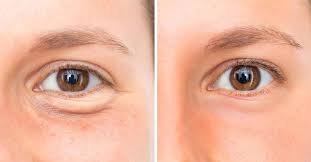
Eyelid surgery is not simply the removal of skin or fat. A careful plan distinguishes brow descent, upper-eyelid skin excess, true ptosis, lower-eyelid bags, hollows, lid laxity, malar edema, festoons, pigmentation, and skin-quality changes. Treating the wrong cause can produce an unnatural result or functional symptoms.
Upper, lower, and Hybrid Blepharoplasty
| Region or finding | Possible treatment | What it may not correct |
|---|---|---|
| Upper-eyelid skin excess | Conservative skin treatment with tissue preservation | Low brow or true ptosis |
| Lower-eyelid bags | Transconjunctival approach in selected patients | Festoons or all tear-trough shadows |
| Lower-lid laxity | Selective canthal support | Skin pigmentation or cheek descent |
| Hollowing or volume loss | Selected microfat grafting | Structural tissue descent |
| Fine skin-quality concerns | Nanofat or dermatologic treatment in selected cases | Excess skin or ptosis |
Dr. June Favarin’s Hybrid Blepharoplasty combines only the components indicated by the patient’s anatomy. Her approach commonly emphasizes orbicularis preservation, conservative upper-eyelid treatment, and a transconjunctival lower-eyelid route when appropriate. Cantopexy, microfat, nanofat, skin treatment, or correction of mild ptosis may be added selectively; none is routine for everyone.
The brow and midface matter
A low brow may create or worsen upper-eyelid heaviness, while midface descent can influence the lid–cheek transition. Video-assisted brow or midface surgery addresses different anatomy from blepharoplasty and may be combined or staged. Removing additional eyelid skin is not a substitute for diagnosing brow descent.
Eye health before surgery
Evaluation includes vision symptoms, dry eye, tearing, contact-lens use, previous eye or eyelid surgery, thyroid disease, glaucoma, allergies, lid closure, tone, and asymmetry. Ophthalmologic assessment may be requested when symptoms or history indicate it. Patients should also report medications, supplements, nicotine, and all previous facial procedures.
Fillers—especially around the tear trough and cheek—can contribute to prolonged swelling or obscure anatomy. Dermatologic ultrasound can help identify material and guide planning when history is incomplete. Read about injectables and ultrasound before facial surgery.
Risks and realistic recovery
Bruising, swelling, dryness, tearing, light sensitivity, temporary blurred vision from ointment, and early asymmetry are common. Risks include bleeding, infection, chemosis, difficulty closing the eyes, lid retraction or ectropion, visible scars, persistent dryness, double vision, and the rare risk of visual loss. Sudden severe pain, rapidly increasing swelling, or vision change is an emergency.
Many patients are more socially comfortable after the early weeks, but residual edema, firmness, scars, and asymmetry can take months to settle. Surgery cannot erase every line, eliminate pigmentation, or guarantee perfect symmetry. See the detailed guide to blepharoplasty swelling and warning signs.
Planning surgery in Brazil
International patients complete remote preparation and an in-person examination before the final plan. Belvivere coordinates hospital care when appropriate, postoperative reviews, and practical support through its concierge service. Travel dates remain subject to healing and medical clearance.