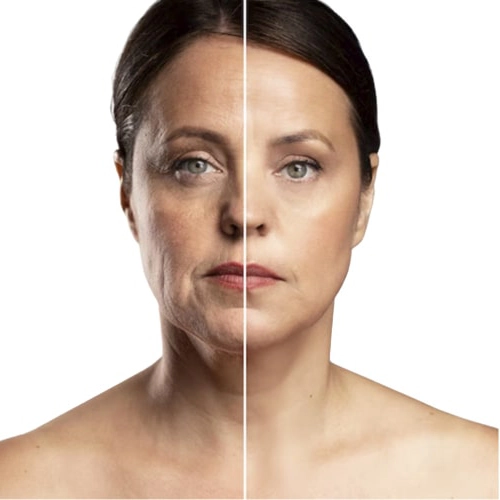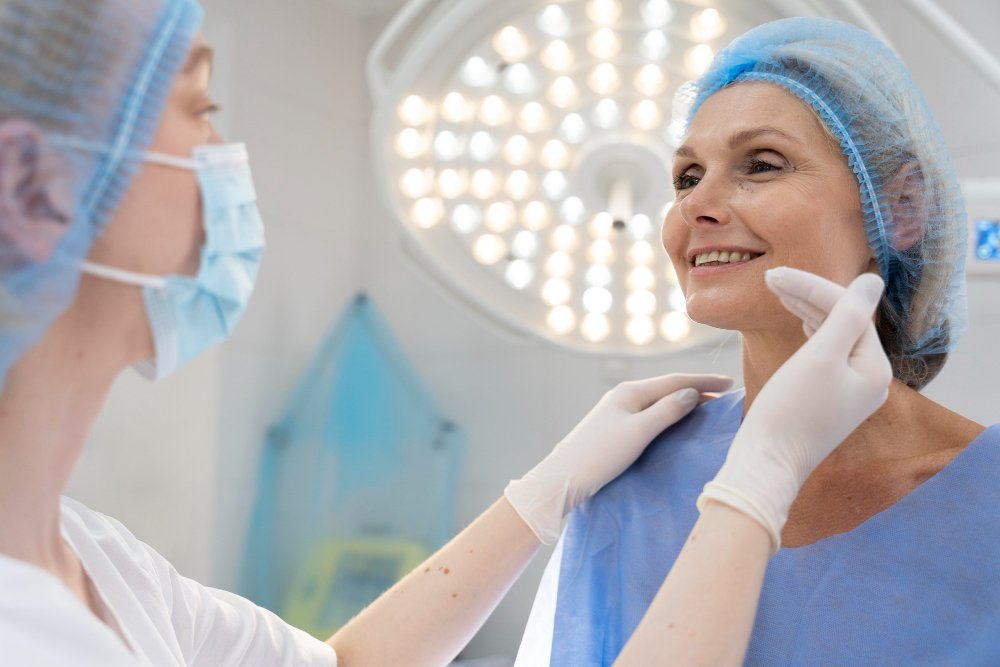
Facelift surgery has become one of the most transformative procedures in the world of aesthetic medicine, helping individuals restore a refreshed, youthful appearance to their face and neck. As time passes, factors like aging, sun exposure, genetics, and gravity naturally take a toll on our skin elasticity and facial structures. A facelift addresses these concerns by tightening underlying muscles, removing excess fat, and draping the skin smoothly over the newly defined contours.
If you are considering a facelift, understanding the entire journey—from the initial consultation to the final recovery stages—is essential for achieving the best possible outcome. Choosing the right destination and surgical team can make all the difference in your experience. For world-class care and exceptional expertise, many patients choose to undergo Plastic Surgery in Brazil, a country globally renowned for its advanced techniques and highly skilled aesthetic surgeons.
What is a Facelift and How Does It Work?
A facelift, medically known as a rhytidectomy, is a surgical procedure designed to reduce the visible signs of aging in the face and neck. While non-surgical treatments like fillers and Botox can temporarily address minor volume loss or fine lines, they cannot match the long-lasting and comprehensive results of a surgical facelift.
During the procedure, a surgeon makes incisions that are carefully hidden along the natural contours of the ear and hairline. Through these incisions, the deeper tissues of the face—often referred to as the SMAS (Superficial Muscular Aponeurotic System)—are lifted and repositioned to a more youthful state.
Modern Techniques in Facelift Surgery
The approach to the classic facelift has evolved significantly over the last few decades. Today’s techniques focus heavily on restoring deep structural volume rather than simply pulling the skin tight, which avoids the unnatural “wind tunnel” look of the past.
The Deep Plane Facelift: This advanced method targets the deeper tissue layers beneath the facial muscles. It allows the surgeon to reposition the entire midface and jawline harmoniously, yielding incredibly natural and enduring results.
The Mini Facelift: Ideal for younger patients or those with mild to moderate jowling, this less invasive option uses shorter incisions and focuses primarily on the lower face.
The Subperiosteal Facelift: This technique addresses aging at the deepest levels, lifting the soft tissues entirely off the facial bones to lift the brow and midface area effectively.

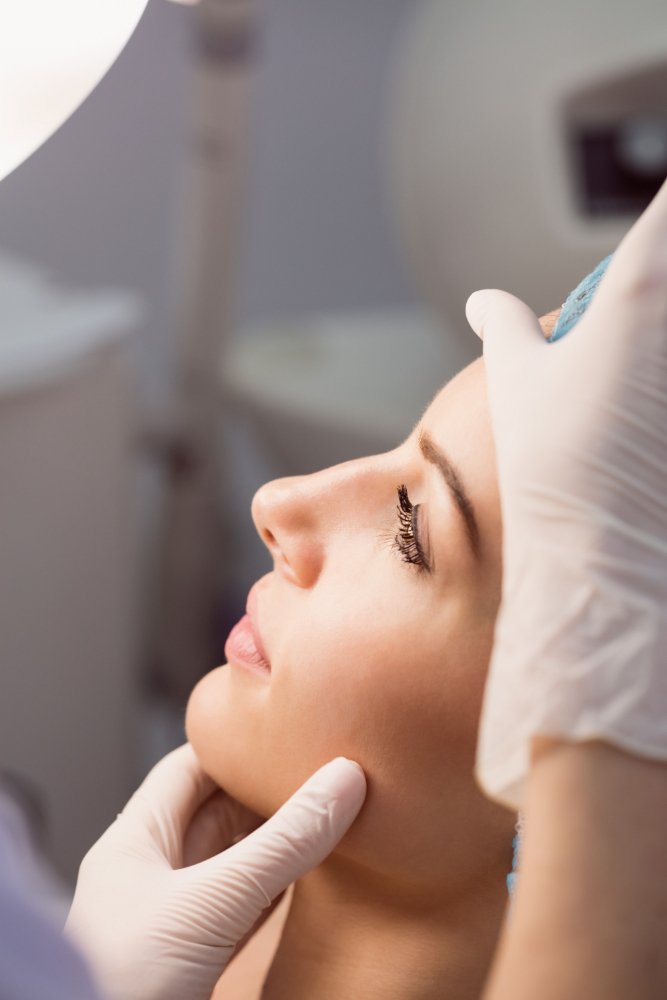
Benefits of a Facelift Procedure
The primary goal of a facelift is to turn back the clock smoothly, giving you a rested, vibrant appearance that aligns with how energetic you feel on the inside.
Comprehensive Rejuvenation
A well-executed facelift does not just fix one isolated area; it improves multiple facial features simultaneously. It successfully eliminates sagging skin along the jawline (jowls), smooths deep creases extending from the nose to the corners of the mouth (nasolabial folds), and tightens loose skin under the chin.
Boosting Self-Confidence
The psychological benefits of a facelift are often just as profound as the physical transformations. Looking in the mirror and seeing a vibrant, refreshed reflection can significantly enhance social confidence, professional presence, and overall well-being. To see how these changes manifest in real life, you can Check out the results of some patients. and witness the incredible, life-changing transformations achieved through expert care.
Preparing for Your Facelift Journey
Preparation is a vital phase that ensures your safety during surgery and promotes a smooth recovery afterward. When you decide to move forward with a facelift, your surgical team will provide a detailed checklist tailored to your health status.
The Initial Consultation
Your journey begins with an in-depth consultation. Your surgeon will evaluate your facial anatomy, skin quality, and medical history to determine if a facelift is the right choice for you. This is also the perfect time to discuss your goals, look at before-and-after photographs, and ask any questions you might have about the surgical plan.
Lifestyle Adjustments Before Surgery
To minimize risks and optimize healing, you will be advised to make several temporary lifestyle changes:
Quit Smoking: Nicotine constricts blood vessels and severely impairs the healing process. Patients must stop smoking several weeks before and after a facelift.
Adjust Medications: Certain medications, vitamins, and herbal supplements can increase bleeding risk and must be paused under your doctor’s supervision.
Arrange Support: You will need a trusted friend or family member to drive you home after surgery and stay with you for the first 24 to 48 hours.
The Recovery Process: What to Expect
Understanding the recovery timeline of a facelift helps reduce anxiety and allows you to plan your downtime effectively. Healing requires patience, but the long-term rewards are well worth the wait.
The First Week Post-Op
Immediately following your facelift, you will wear a supportive bandage around your face and chin to minimize swelling and bruising. Some mild discomfort is entirely normal and can be easily managed with prescribed pain medication. It is crucial to keep your head elevated, even while sleeping, to help the swelling subside more quickly.
Weeks Two to Four
By the second week, most patients feel well enough to walk around comfortably and perform light daily tasks. Bruising will begin to fade, and any external stitches are typically removed during this window. While you may still have some residual swelling, you will already begin to see the improved contours shaped by the facelift. Most people feel confident returning to work and social activities by the end of the third or fourth week.
Long-Term Healing
While the major swelling disappears within the first month, your tissues will continue to settle and heal at a microscopic level for up to a year. Protecting your skin from direct sun exposure by wearing high-SPF sunscreen and wide-brimmed hats is vital during this period to ensure your facelift scars fade beautifully into the natural hairlines.

Choosing the Right Surgeon for Your Facelift
Because a facelift is a highly intricate procedure requiring a deep understanding of facial artistry and anatomy, choosing a board-certified, experienced plastic surgeon is paramount.
For those seeking premier medical expertise combined with world-class hospitality, visiting Belvivere offers access to top-tier professionals dedicated to delivering safe, beautiful, and personalized outcomes. Investing in an elite surgical team ensures that your rejuvenation journey is secure, comfortable, and tailored specifically to your unique natural features.
Frequently Asked Questions About Facelifts
How long do the results of a facelift last?
On average, a surgical facelift can make you look 10 to 15 years younger, and the structural benefits last for a decade or more. While the natural aging process continues, you will always look significantly younger than you would have without the procedure.
Will a facelift erase all my wrinkles?
A facelift is designed to address structural sagging, loose skin, and deep folds. Finer surface wrinkles, such as crow’s feet or sun damage texture, are often better treated concurrently with laser skin resurfacing, chemical peels, or targeted injectables.
What is the best age to get a facelift?
There is no single “perfect” age. Most patients seek a facelift between their 40s and 60s when signs of aging become more prominent. However, eligibility depends much more on your overall health and skin elasticity than the number on your birth certificate.