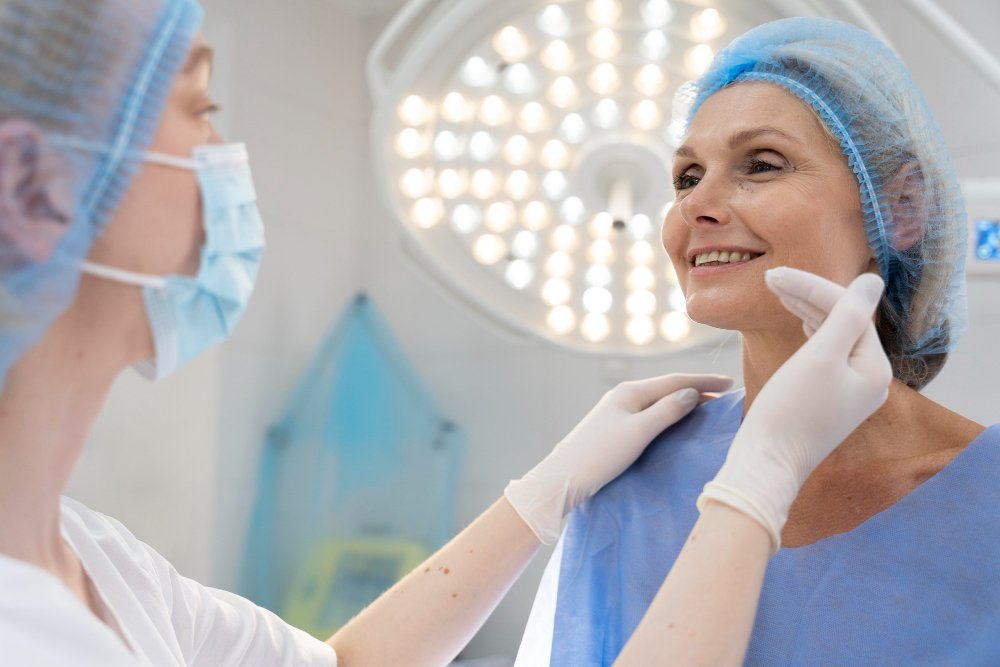
When considering facial rejuvenation, understanding facelift surgery risks is an essential first step. A facelift, or rhytidectomy, is a major surgical procedure designed to reduce visible signs of aging in the face and neck. While the results can be transformative, patients must fully understand all potential facelift surgery risks before making a final decision.
Every surgical procedure carries some level of uncertainty. By educating yourself on facelift surgery risks, you can make an informed decision alongside your surgeon. Choosing a highly qualified, board-certified plastic surgeon is the single most effective way to minimize these complications.
- Hematoma and fluid accumulation under the skin.
- Nerve injury leading to temporary facial weakness or asymmetry.
- Scarring and poor wound healing.
- Infection at the incision sites.
- Anesthesia-related complications.
- Skin necrosis from compromised blood supply.
Secondary Subtitle: Analyzing the Most Common Facelift Surgery Risks
While most patients undergo this procedure without severe complications, it is important to categorize and analyze the known facelift surgery risks. These issues can range from minor temporary discomforts to more serious medical conditions that require immediate intervention.
Hematoma and Fluid Accumulation
A hematoma is a collection of blood outside the blood vessels, causing swelling, pressure, and pain. This is one of the most frequent facelift surgery risks, typically occurring within the first 24 hours after the procedure. If a large hematoma develops, it may require surgical drainage to prevent further complications like skin necrosis.
Nerve Injury and Facial Weakness
Among the more concerning facelift surgery risks is temporary or permanent nerve damage. The facial nerve controls the muscles responsible for facial expressions. Injury to these nerves can lead to temporary asymmetry or weakness in certain parts of the face. Fortunately, permanent nerve damage is rare, and most minor nerve irritation resolves on its own over several months.
Scarring and Poor Wound Healing
Incisions are typically placed along the hairline and around the ears to ensure they remain hidden. However, unpredictable scarring is always part of facelift surgery risks. Some individuals may experience thickened, wide, or raised scars. Factors like genetics, skin type, and smoking can significantly impact wound healing and increase these specific facelift surgery risks.
Tertiary Subtitle: Managing Your Facelift Surgery Risks Effectively
To achieve the best possible outcome, patients must actively participate in mitigating these potential dangers. Managing facelift surgery risks involves a combination of thorough preoperative preparation and strict adherence to postoperative instructions.
Preoperative Testing and Health Assessment
Your surgeon will conduct a comprehensive health evaluation to identify any underlying conditions that could exacerbate facelift surgery risks. High blood pressure, for example, must be strictly controlled prior to surgery, as it significantly increases the likelihood of a postoperative hematoma.
Avoiding Certain Medications and Supplements
To minimize bleeding—one of the foundational facelift surgery risks—patients must stop taking aspirin, anti-inflammatory drugs, and herbal supplements that thin the blood for at least two weeks prior to the operation.
Proper Incision Care and Monitoring
Keeping the surgical wounds clean and dry is vital to prevent infection. Infection is another one of the notable facelift surgery risks that can delay healing and worsen scarring. If you notice signs of infection, such as increased redness, warmth, or unusual discharge, contact your medical team immediately.
Infection, Anesthesia, and Skin Loss Risks
Beyond the local complications near the incisions, patients must also consider systemic facelift surgery risks. These involve how your body responds to the trauma of surgery and the substances used to keep you comfortable during the operation.
+------------------------+---------------------------------------+
| Potential Risk Factor  | Typical Management/Prevention Strategy|
+------------------------+---------------------------------------+
| Hematoma               | Controlled blood pressure, surgical   |
|                        | drainage if necessary.                |
+------------------------+---------------------------------------+
| Infection              | Prophylactic antibiotics, proper      |
|                        | wound care.                           |
+------------------------+---------------------------------------+
| Nerve Injury           | Precise surgical technique, patience  |
|                        | for temporary nerve recovery.         |
+------------------------+---------------------------------------+
General Anesthesia Complications
Like any major operation, a rhytidectomy requires anesthesia, which carries inherent facelift surgery risks. Adverse reactions can include respiratory issues, nausea, or, in rare cases, more severe cardiovascular events. An experienced anesthesiologist will continuously monitor your vital signs to keep you safe.
Skin Necrosis (Loss of Skin Tissue)
If the blood supply to the facial tissue is compromised during the undermining process, parts of the skin may die. Skin necrosis is among the serious facelift surgery risks that are heavily aggregated by smoking. Nicotine constricts blood vessels, drastically reducing oxygen flow to the healing tissues.
The Role of the Surgeon and Choosing the Right Clinic
The expertise of your surgical team is the primary defense against adverse outcomes. When planning your procedure, look for internationally recognized centers that maintain the highest safety standards to protect you from unnecessary facelift surgery risks.
Many international patients seek premium care abroad to combine high-end medical expertise with exceptional hospitality. If you are looking for world-class surgical expertise, you can learn more about Plastic Surgery in Brazil to discover advanced techniques designed to prioritize patient safety and minimize recovery times.
Furthermore, viewing historical data and patient outcomes can give you a realistic expectation of what can be achieved. It is highly recommended that you Check out the results of some patients to understand the visual transformation while keeping in mind that individual healing times vary based on personal health profiles.
Facelift Risks: Onset and Warning Signs
| Risk | Typical Onset | Key Warning Sign |
|---|---|---|
| Hematoma | Within first 24 hours | Sudden swelling, pressure, or pain |
| Nerve Injury | Noticed immediately post-op | Facial asymmetry or weakness |
| Infection | Days to weeks after surgery | Increased redness, warmth, or discharge |
| Skin Necrosis | Days after surgery, higher in smokers | Discolored or non-healing skin areas |
Frequently Asked Questions
What is the most common complication after a facelift?
A hematoma — a collection of blood outside the blood vessels — is one of the most frequent facelift surgery risks, typically occurring within the first 24 hours after the procedure.
Can smoking increase facelift surgery risks?
Yes. Nicotine constricts blood vessels and reduces oxygen flow to healing tissue, significantly increasing the risk of skin necrosis and poor wound healing.
How long does swelling and bruising typically last after a facelift?
Swelling and bruising are normal side effects that typically peak within the first few days and gradually subside over three to four weeks, though the final facial contour may take several months to fully mature.
Long-Term Recovery and Final Expectations
Understanding that recovery is a journey helps put facelift surgery risks into perspective. Swelling and bruising are normal side effects, not complications. They typically peak within the first few days and gradually subside over three to four weeks.
The final contour of your face may take several months to fully mature. During this period, protecting your skin from direct sun exposure is essential, as UV rays can permanently discolor healing incisions and prolong your recovery.
For more information regarding advanced facial rejuvenation options and to consult with leading specialists, feel free to visit the official Belvivere website for comprehensive insights into modern aesthetic procedures.
By staying informed, maintaining open communication with your medical team, and choosing an accredited facility, you can confidently navigate your aesthetic journey while mitigating the associated risks.