What’s New with Celebrity Facelifts in 2025: Subtlety, Strategy, and Sophistication
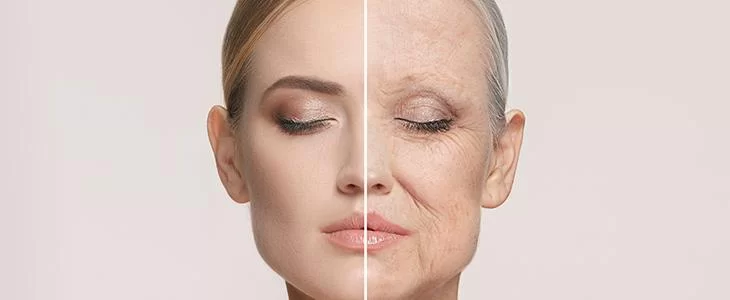
Facelifts are no longer just about going “big or nothing.” In 2025, there’s a clear shift in what both celebrities demand and what surgeons offer. The changes aren’t always dramatic — often, they’re in the nuance. But they’re meaningful, and they point to a bigger trend in beauty, aging, and how we define “looking good.”
Here are the key differences in facelift practices among celebs this year:
⸻
- The Rise of the “Undetectable” Look
• Less obvious results: Many celebrities want results that don’t scream “I just had plastic surgery.” The aim is more “refreshed” than “tightened.” Incision lines are more carefully hidden, swelling is minimized, and the finished look blends more seamlessly into everyday appearance.
• Natural aging, gracefully: Instead of trying to stop aging, many are embracing signs of age — lines, texture — but with surgical tweaks to reduce sagging or heaviness. This means a more restrained approach, combining lighter surgeries with non-surgical adjuncts.
⸻
- Younger Patients, Earlier Interventions
• Celebrities are getting facelifts (or lift-type procedures) earlier — in their 40s, even late 30s — instead of waiting until signs of aging are more advanced. The goal is preventive correction, “prejuvenation,” or putting off more dramatic work later.
• These early procedures tend to be less invasive (mini-lifts, targeted lifts, or combining facelift with other “lighter” surgeries or treatments) so recovery is quicker and risk is lower.
⸻
- Advanced Surgical Techniques: Deep Plane, Extended Deep Plane, SMAS, etc.
• Deep Plane Facelifts: These are increasingly popular among high-profile figures for offering more natural lift by working below certain tissue layers, repositioning deeper soft tissue rather than just pulling skin. They tend to last longer, with a more natural fall and feel.
• Extended Deep Plane: It modifies the standard deep plane lift to include more vertical repositioning, often improving the cheek fullness and neck/jawline definition more “organically,” i.e., less pulling, more restoring. Celebs like Marc Jacobs are linked to these newer versions.
• SMAS Lifts (Superficial Musculoaponeurotic System) are still very much in use, especially in cases where less radical change is needed. They remain in the “gold standard” category for mid- and lower-face rejuvenation.
⸻
- Combinations & Holistic Face Rejuvenation
• Celebs are increasingly pairing facelifts with other procedures in the same surgery (or in close sequence): e.g., brow lifts, eyelid surgery, neck lift, fat grafting. The goal: balanced face rejuvenation, so no one part looks “off” compared to the rest.
• Also, non-surgical or minimally invasive treatments are important adjuncts: lasers, skin boosters, microneedling, energy treatments, etc. These help improve skin texture, reduce scars, or support the surgical lift without more cutting.
⸻
- Scar Minimization and Recovery Improvement
• Surgeons are being more careful about where they place incisions — using natural folds, hairlines, behind the ear, around the tragus, along creases. The goal is to hide scars, even at close range or when photographed.
• Tools like 3D imaging (Vectra, etc.) are being used more, so patients can see projected outcomes in advance. This helps set realistic expectations and plan precisely how much lifting or skin removal is needed.
• Recovery protocols have improved: post-op care, laser/scar treatments, oxygen therapy, etc., help speed healing and reduce visible signs (swelling, bruising).
⸻
- Aesthetic Preferences Shift: Fuller, Softer, Less Overdone
• The trend away from extremely sculpted, ultra-angular faces is strong. Cheek hollowness is being seen less often; fuller faces, more natural contours are coming back. Fewer extreme fillers; more fat grafting (using one’s own tissue) to restore volume in a subtle way.
• Brow lifts are coming back into favor (especially “temporal” or partial brow lifts) as people want lift in specific regions rather than whole forehead elevation.
⸻
- Transparency, Disclosure, and Beauty Standards
• More celebrities are publicly talking about having facelifts or related procedures, which helps demystify it and sometimes shifts standards. For example, some open about which surgeon, which technique.
• There is pushback in public discourse about overly dramatic results (“Instagram Face,” etc.) and greater demand for naturalism. Because social media exposes extremes, many want the opposite: subtle, “you look good,” not “what did you do?”
⸻
- Cost, Risk, and “Name Recognition” of Techniques
• As some facelift techniques become trends (deep-plane, extended deep-plane), there is more marketing pressure around them. Not every surgeon who claims to do “deep plane” truly does full deep-plane lifts; some may be doing modified or partial versions. Patients (including celebs) are more alert to this.
• Because the techniques are more specialized, cost tends to be higher. Also, risk can increase (nerve damage, healing complications) especially if the surgeon is less experienced. Thus, celebrities are often working with high-profile, highly vetted surgeons.
⸻
- Media / Camera Pressure as a Driver
• Celebrity presence in media (photos, red carpets, social media) pushes demand for surgical work that plays well on camera and close-ups: eyes need to look awake (so eyelid lifts or brow lifts), jaw and neck need sharper definition. Lighting, angles, filters expose flaws more, so the surgical work has to anticipate that.
• Also, TikTok, Reels, video make “movement” visible: people notice how skin folds when smiling or talking. So ideally, a facelift result should look “good in motion,” not just in static photos. This influences how much lift, where incisions are placed, how much looseness is allowed in facial expression regions.
⸻
What This Means & Some Tradeoffs
• Long-term vs short-term: Techniques like deep-plane or extended lifts last significantly longer (10–15 years) and tend to age more gracefully, but they come with more surgical complexity. 
• Natural ≠ simple: Getting an “undetectable” result often requires more planning, more subtle work, more skill. It may also mean combining multiple smaller procedures rather than one big overnight change.
• Risk of overpromise: Because new names/trends (e.g., “beautification facelift,” “weekend lift”) catch public attention, there’s the potential for people to go for flashy marketing rather than proven surgical results. It’s important (especially for celebrities aware of public scrutiny) to select surgeons with verified credentials. 
• Cost & resource intensity: The newer, more sophisticated facelift methods generally cost more and often require better recovery support. For example, using lasers, oxygen therapy, etc., for healing adds to post-op cost and time. Not all places or clinics provide this.
⸻
Sample Celebrity Cases Reflecting These Trends
• Kris Jenner: Her renewed youthful look and public acknowledgment of a facelift reignited interest in deep-plane and extended facelifts. 
• Marc Jacobs: Linked to extended deep-plane facelift as an example of doing something dramatic yet avoiding the over-pull or unnatural look. 
• Barbara Corcoran: Has openly said she’s had multiple facelifts, neck lifts, lasers, etc., showing how layered maintenance plus surgery is part of many celebrity regimens. 
⸻
Conclusion
What we see in 2025 is a facelift (literally and figuratively) of the facelift. The focus is shifting away from spectacle and toward refinement, balance, and longevity. Celebrities aren’t just chasing younger faces; they’re chasing faces that tell a story they like, faces that move and look natural in all contexts—not just on stage or on the red carpet.
If you want, I can pull together a comparison of before & after celeb facelifts—technique vs how the public perceives them—or even a forecast of what might happen in 2026