Understanding the Two-Stage Approach to Correcting Over-treated Necks
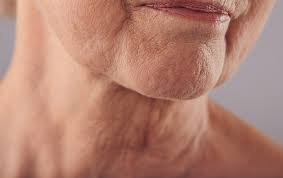
Complications from aggressive aesthetic procedures in the neck area have become increasingly common in clinical practice. Many patients arrive at the clinic with visible deformities caused by the excessive removal of central neck fat and supporting structures — a condition often referred to online as “cobra neck deformity.”
These changes typically result from previous procedures that were performed without proper anatomical understanding, leading to hollowness, contour irregularities, and unnatural definition.
A Minimally Invasive Office-Based Correction
One of the advantages of this treatment is that the initial correction can often be performed in the office under local anesthesia, without the need for a full surgical center.
This first stage focuses on reversing the dermatologic and structural changes caused by the excessive removal of superficial fat.
The goal is to restore the normal architecture of the neck by replacing fat back into the exact layer from which it was taken, re-establishing support and improving contour.
Although minimally invasive, this step plays a crucial role in preparing the tissues for a more complete surgical correction later.
Why the First Stage Matters
The purpose of the initial procedure is to minimize the after-effects created by the original over-aggressive treatment.
By restoring soft tissue volume and reducing the visible deformities, the surgeon creates a healthier, more natural base for the second phase.
This stage alone can already produce visible improvement, but it is important to remember that results depend on the degree of the original anatomical damage.
Each patient responds differently, and some require additional refinement.
The Second Stage: Surgical Refinement Under Local Anesthesia
Once the tissues have stabilized after the initial correction, the second stage can be performed.
This step aims to optimize the aesthetic outcome by addressing deeper anatomical issues that cannot be corrected with fat replacement alone.
Under local anesthesia, the surgeon can:
- refine internal structures
- reposition tissues
- restore natural contour lines
- improve definition without creating harsh shadows
The goal is to provide a balanced, natural neck contour while avoiding the complications associated with the previous aggressive fat removal.
Understanding Expectations and Limitations
While this two-stage approach provides significant improvement, outcomes depend on:
- how much fat and support tissue were removed previously
- the degree of scarring
- the patient’s anatomical characteristics
- tissue quality after the initial damage
Some patients achieve complete correction, while others may still retain mild residual changes depending on the extent of the original over-treatment.
A Conservative and Safer Alternative
This method avoids repeating the same aggressive techniques that caused the deformity in the first place.
Instead of further removing tissue, the objective is to restore what was lost, stabilize the anatomy, and rebuild a natural foundation for the final surgical result.
By combining office-based correction under local anesthesia with a refined second surgical stage, patients benefit from:
- reduced downtime
- safer procedures
- more predictable outcomes
- natural and harmonious neck contour