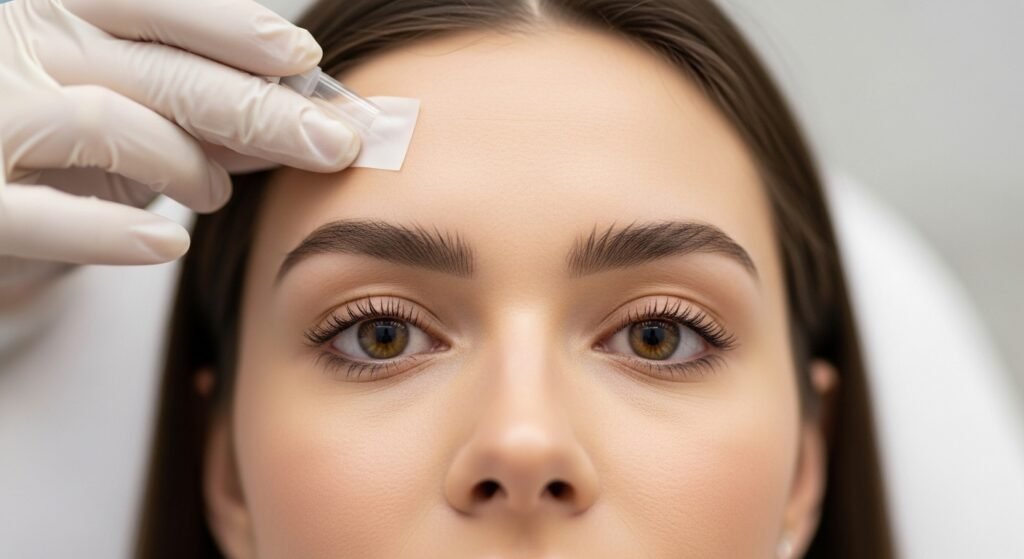
Types of Anesthesia in Facial Surgery: Understanding the Differences and Choosing the Right Option
Anesthesia is one of the most crucial aspects of any surgical procedure. In facial plastic surgery, choosing the right type of anesthesia ensures safety, comfort, and natural results. Many patients are unsure about which anesthesia is best for them, so understanding the options helps build confidence before surgery.
1. What anesthesia is and why it matters
The main goal of anesthesia is to block pain and allow the surgeon to work safely and precisely. It also keeps the patient still and relaxed, reducing surgical risks.
There are several types of anesthesia, each suited to different procedures and patient profiles.
2. Local anesthesia with sedation
Local anesthesia numbs only the treated area while the patient remains awake. Often, the anesthesiologist adds mild sedation to help the patient stay calm and relaxed.
It’s ideal for smaller procedures such as:
- Mini facelift
- Eyelid surgery (blepharoplasty)
- Scar revision
- Small facial corrections
Recovery is quick — most patients can go home within hours. There’s also a lower chance of nausea or dizziness compared to general anesthesia.
3. General anesthesia
General anesthesia is best suited for longer and more complex procedures, like a full facelift or combined facial surgeries.
The patient is fully asleep, and breathing is carefully monitored by the anesthesiologist.
It ensures total comfort and immobility during the operation. Although recovery may take longer, general anesthesia is very safe when performed in a proper surgical setting. Minor temporary effects like lightheadedness or drowsiness can occur but fade quickly.
4. Safety and monitoring
Modern clinics rely on advanced monitoring systems that track vital signs and the level of consciousness in real time. This allows the anesthesiologist to fine-tune the medication for each patient, maximizing safety and comfort.
5. Choosing the best option
The choice between local and general anesthesia must be individualized. Factors such as the type of surgery, the patient’s health, and their level of anxiety are all considered.
When performed by qualified professionals in a well-equipped clinic, both options are safe and effective.
6. Final thoughts
Anesthesia in facial surgery today is safe, precise, and highly personalized. With proper evaluation and an experienced team, patients can undergo procedures confidently, knowing they are receiving the best care possible.