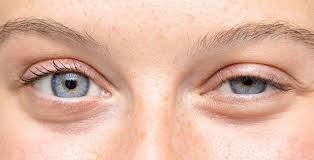
Why Remove Hyaluronic Acid Before Eyelid Surgery?
Remove hyaluronic acid before eyelid surgery is a critical clinical recommendation that many aesthetic patients encounter when transitioning from temporary injectables to permanent surgical rejuvenation. Blepharoplasty, or eyelid surgery, is a highly precise procedure where even a single millimeter of tissue alteration can dramatically change a person’s expression and facial harmony. When dermal fillers remain in the delicate periorbital tissues, they distort the natural anatomy, making it incredibly difficult for a surgeon to achieve an optimal outcome.
Many patients wonder why they cannot simply leave their existing under-eye or tear trough fillers intact during a surgical procedure. The reality is that synthetic gels hold water, alter tissue thickness, and mask the true extent of skin laxity and muscle sagging. To ensure safety, predictability, and beautiful symmetry, you must remove hyaluronic acid before eyelid surgery.
The Complex Relationship Between Dermal Fillers and Periorbital Anatomy
The skin surrounding the human eye is among the thinnest and most delicate on the entire body. Because of this unique anatomy, any product injected into this region behaves differently than it would in sturdier areas like the cheeks or jawline. Understanding how fillers interact with this space helps explain why surgeons insist that you remove hyaluronic acid before eyelid surgery.
How Hyaluronic Acid Alters Local Tissue Structure
Dermal fillers function by binding to water molecules, which creates a plumbing and volumizing effect. In the tear trough or upper eyelid area, this water retention can easily fluctuate based on hydration levels, allergies, or sleep patterns. If a surgeon attempts to measure excess skin or fat pads while these artificial fluctuations are occurring, the surgical plan will be inherently flawed.
Filler Longevity and Migration in the Eye Area
Recent medical imaging studies have revealed that hyaluronic acid fillers can persist in the periorbital region for years—far longer than the six to twelve months originally estimated by manufacturers. Because the muscles around the eye are constantly moving, filler can also migrate outward or downward. This structural migration means that old, forgotten filler might still be present, making it necessary to actively remove hyaluronic acid before eyelid surgery even if the last injection was years ago.
Why You Must Remove Hyaluronic Acid Before Eyelid Surgery
The primary objective of any cosmetic or reconstructive blepharoplasty is to restore a refreshed, youthful, and naturally balanced appearance to the eyes. Leaving synthetic substances in the surgical field introduces a massive variable that compromises the entire operation.
Preserving Surgical Precision and Assessment Accuracy
To execute a successful blepharoplasty, the surgeon must carefully evaluate the exact amount of redundant skin, herniated orbital fat, and muscle laxity. If a patient does not remove hyaluronic acid before eyelid surgery, the filler mimics real tissue volume. A surgeon might inadvertently remove too little natural fat, thinking the area is already adequately hollowed, or conversely, remove too much skin. Once the filler eventually dissolves naturally months after the operation, the patient may be left with a hollowed, asymmetrical, or distorted eye shape.
Reducing Post-Operative Complications and Chronic Swelling
Surgical intervention triggers a natural inflammatory response, causing localized swelling and fluid accumulation. Hyaluronic acid naturally attracts fluid. When you mix surgical trauma with the hyper-hydrophilic nature of dermal fillers, the result is severe, prolonged post-operative edema. Failing to remove hyaluronic acid before eyelid surgery can extend the recovery window from a couple of weeks to several months, increasing the risk of chronic swelling, fluid pockets (malar mounds), and delayed tissue healing.
The Medical Process of Reversing Periorbital Fillers
Undoing a previous filler treatment is a straightforward medical process, but it requires an expert hand—especially when dealing with the delicate structures surrounding the eye.
Utilizing Hyaluronidase for Target Dissolution
To remove hyaluronic acid before eyelid surgery, specialized practitioners utilize an enzyme called hyaluronidase. When injected directly into the filler deposit, this enzyme rapidly breaks down the synthetic cross-linked sugar chains, allowing the body’s lymphatic system to safely absorb and eliminate the fluid over the following days.
[Injected Hyaluronidase Enzyme]
             │
             ▼
[Breaks Cross-Linked Bonds of Filler]
             │
             ▼
[Body Safely Absorbs Dissolved Fluid]
Why Surgeons Require a Waiting Period After Dissolving
It is not enough to simply inject the enzyme a day or two before your operation. Most board-certified plastic surgeons require patients to remove hyaluronic acid before eyelid surgery at least two to four weeks prior to the scheduled surgical date. This window allows all residual swelling from the enzyme injection to completely subside, ensuring the tissues return to their true, baseline state before final surgical markings are made.
Choosing Elite Expertise for Your Aesthetic Transformation
Because the periorbital region demands an unparalleled level of anatomical knowledge, choosing the right medical team is vital for both your filler reversal and your upcoming surgery.
Seeking Specialized Care Internationally
For patients seeking world-class surgical standards combined with deeply personalized care, exploring premier destinations can yield exceptional results. Entrusting your face to top-tier specialists, such as those performing Plastic Surgery in Brazil, ensures that your pre-operative preparation—including the protocol to remove hyaluronic acid before eyelid surgery—is handled with the highest level of medical rigor.
Visualizing Real Patient Outcomes
Before undergoing any facial procedure, it is incredibly helpful to review the structural transformations of others who have successfully transitioned from temporary cosmetic camouflage to permanent surgical refinement. To see the profound impact of precise facial engineering, you can Check out the results of some patients. and observe how clearing the canvas of old fillers allows for flawless surgical symmetry.
Risks of Ignoring the Protocol to Remove Hyaluronic Acid Before Eyelid Surgery
Choosing to bypass the advice to dissolve your filler before an operation carries substantial cosmetic and medical risks. It can turn a routine, outpatient procedure into a highly unpredictable medical challenge.
Infection and Foreign Body Reactions
Introducing surgical incisions into a pocket of tissue that contains foreign synthetic gel increases the hypothetical risk of contamination. If bacteria find their way into the un-dissolved filler matrix during surgery, a biofilm or chronic low-grade infection can form. This complication is highly challenging to treat and completely avoidable if you simply choose to remove hyaluronic acid before eyelid surgery.
Asymmetry and the Need for Revision Surgery
If the surgical plan is executed over a foundation of hidden filler, asymmetry is almost guaranteed once that filler eventually degrades. Correcting an uneven blepharoplasty through a secondary revision surgery is far more expensive, painful, and complex than simply taking the time to properly remove hyaluronic acid before eyelid surgery during the initial preparation phase.
What to Expect After Removing Your Filler
When you actively remove hyaluronic acid before eyelid surgery, you must prepare yourself mentally for the temporary changes in your appearance.
The Return of Hollows: As the filler disappears, your original dark circles, under-eye bags, or sagging skin will reappear, often looking slightly worse than you remember due to the contrast.
Temporary Skin Laxity: The skin that was stretched over the filler gel may look temporarily deflated until the surgical procedure tightens it.
A Clear Surgical Canvas: Most importantly, your surgeon will now be able to see the exact structure of your orbicularis oculi muscle and orbital fat pads, setting the stage for a flawless surgical execution.
For patients who want to explore a comprehensive approach to aesthetic wellness and facial longevity, scheduling a detailed evaluation with a renowned practice like Belvivere offers a direct pathway to safe, predictable, and breathtakingly natural outcomes.
Pre-Surgical Filler Removal at a Glance
| Consideration | Detail |
|---|---|
| Recommended Waiting Period | 2 to 4 weeks between dissolving filler and surgery |
| Dissolving Method | Hyaluronidase enzyme injected into the filler deposit |
| Risk If Filler Is Left In | Asymmetry, infection risk, and inaccurate surgical assessment |
| Expected Temporary Change | Return of hollows and skin laxity before surgery corrects them |
Frequently Asked Questions
How long before eyelid surgery should filler be dissolved?
Most board-certified surgeons require patients to dissolve hyaluronic acid at least two to four weeks before the scheduled surgery, allowing residual swelling to subside completely.
What happens if old filler is not removed before blepharoplasty?
Undissolved filler mimics real tissue volume, which can cause a surgeon to remove too little or too much natural tissue, leading to asymmetry once the filler eventually dissolves on its own.
How is hyaluronic acid removed before surgery?
Practitioners inject an enzyme called hyaluronidase directly into the filler deposit, which breaks down the cross-linked sugar chains so the body’s lymphatic system can safely absorb the fluid.
Final Thoughts on Pre-Surgical Preparation
Ultimately, a successful blepharoplasty relies on absolute accuracy. Dermal fillers are excellent tools for temporary volume enhancement, but they have no place in a surgical field. Taking the extra step to remove hyaluronic acid before eyelid surgery protects your financial investment, ensures your physical safety, and guarantees that your surgical results remain beautifully youthful and stable for decades to come.