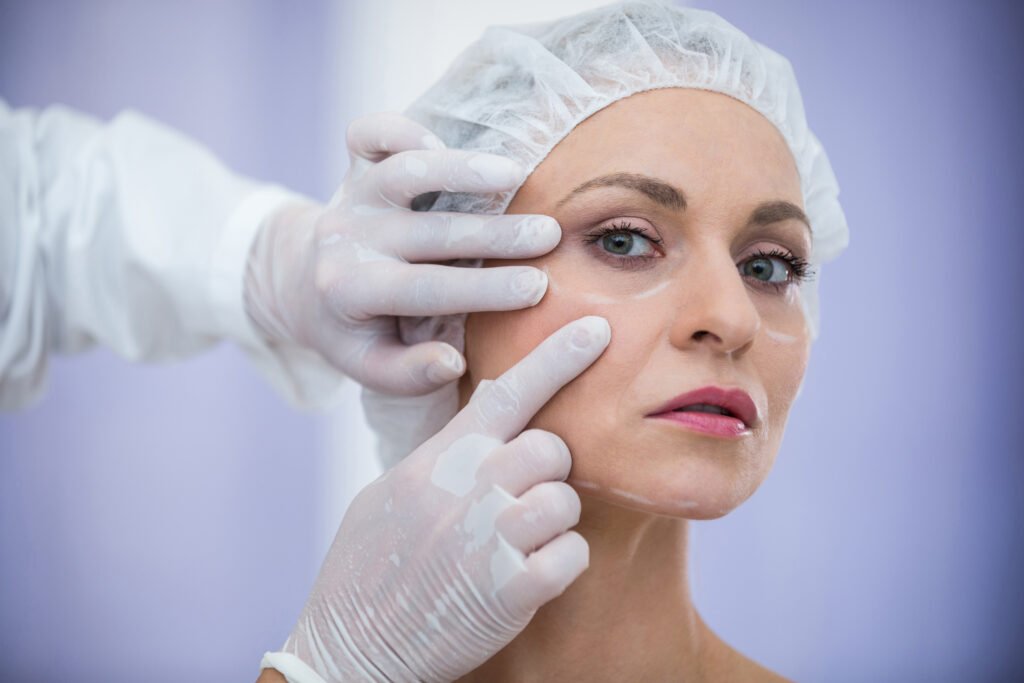
Purpose-driven facial plastic surgery begins with a question: what problem are we trying to solve, and is surgery the proportionate response? It does not mean promising confidence, emotional transformation or perfection. It means understanding anatomy, motivation, expectations and trade-offs before selecting—or declining—a procedure.
Start with understanding, not a procedure
At Belvivere, the guiding principle is: “Understand your face before you ever consider changing it.” A consultation should separate what the patient sees from the anatomical structures involved: brow position, eyelids, midface, lower face, neck, volume, skeletal support and skin quality. A technique is considered only after the diagnosis.
| Question | Why it matters |
|---|---|
| What specifically bothers me? | Vague dissatisfaction is difficult to translate into a safe surgical goal. |
| What change is realistically possible? | Anatomy places limits on every technique. |
| What will remain unchanged? | Surgery improves selected signs; it does not stop aging or create perfection. |
| Am I comfortable with scars and recovery? | Natural-looking results still involve surgery and healing. |
| Would I proceed without external pressure? | The decision should belong to the patient. |
Preserving identity
Identity preservation does not come from one named technique. It depends on selecting appropriate vectors, avoiding excessive skin tension or volume, respecting facial movement and treating only the structures that require change. Deep Plane facelift, video-assisted brow or midface surgery, Hybrid Blepharoplasty, Deep Neck and fat grafting each have specific indications and limits.
See how facial identity and proportion guide planning.
When the correct decision is to pause
Surgery should be postponed when the patient remains uncertain, expects perfection, feels pressured by another person or travel schedule, is in an unstable health or weight phase, or cannot accept the possibility of complications and revision. Significant preoccupation with a minor or unobservable feature, repetitive procedures and major interference with daily life may justify psychological or psychiatric assessment before treatment.
Read the emotional-readiness guide.
Safety is part of purpose
An intentional plan includes medical optimization, nicotine cessation, review of medications and GLP-1 use, eye-health assessment when relevant, and disclosure of previous fillers, threads, biostimulators, PMMA, silicone and energy treatments. Dermatologic ultrasound may be recommended. Risks, scars, alternatives, recovery and the possibility of refinement should be discussed without guarantees.
International patients need a continuity plan
A remote consultation can begin the conversation, but final planning requires an in-person examination. Major surgery is performed in a hospital with anesthesia monitoring. Patients traveling to Criciúma need adequate time for postoperative review; major facial procedures commonly require at least 15 days in Brazil, adjusted individually. The concierge team supports logistics but does not replace medical care.
The measure of a good decision
A good outcome is not the absence of every line, asymmetry or sign of aging. It is a safe, proportionate improvement that respects function and identity—and a decision the patient understands well enough to accept both benefits and limitations. Sometimes the most purpose-driven plan is a smaller procedure, staged care or no surgery.