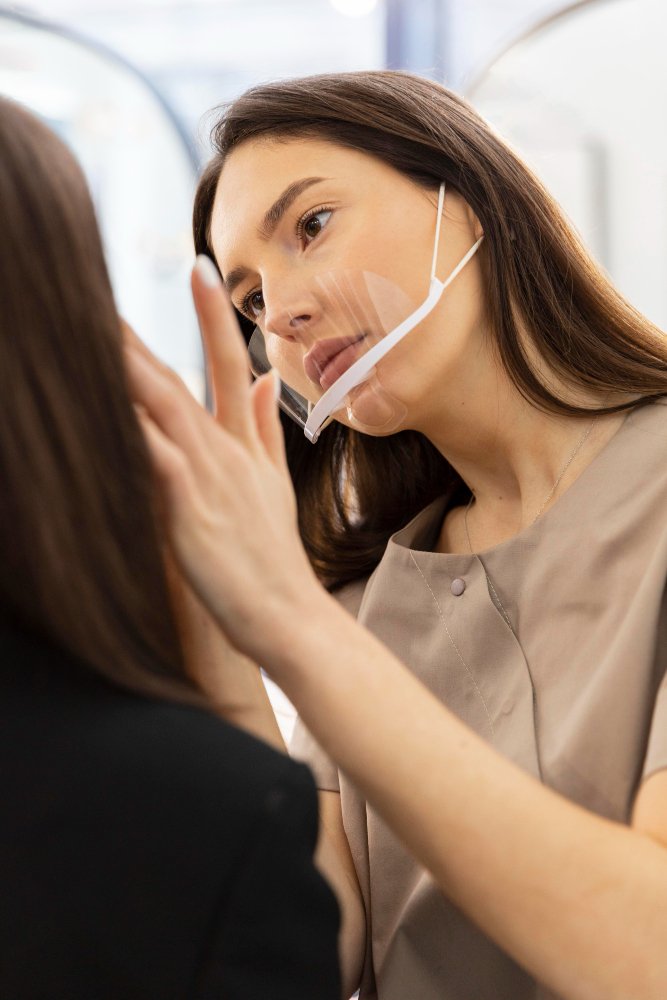
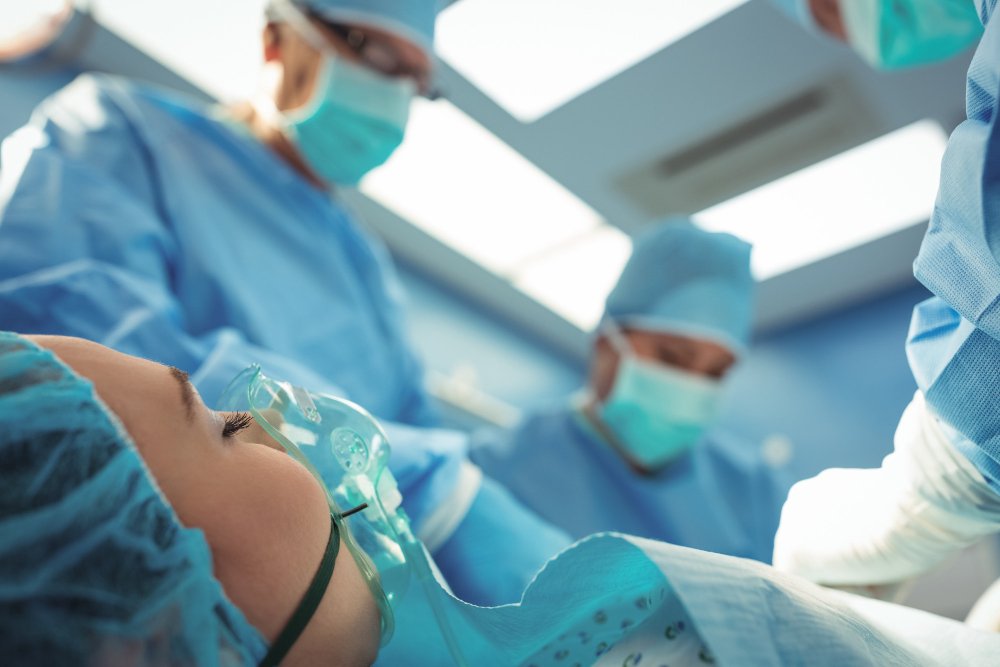
For an international patient, the location of plastic surgery matters most during recovery—not as a tourism promise. Staying in Santa Catarina, close to Dr. June Favarin and the surgical team, allows scheduled examinations, timely assessment of concerns and a safer decision about when to travel home.
Why proximity to the surgical team matters
The first postoperative days are when swelling and bruising usually increase before they begin to improve. Incisions, circulation, eye closure, facial movement, drainage and general health may need review. A patient recovering nearby can be examined rather than relying only on photographs or messages.
Remote contact is useful, but it cannot replace physical examination when there is progressive pain, asymmetric swelling, fever, visual change, breathing difficulty or another warning sign.
Two connected locations with different purposes
Major operations are performed at Hospital São José in Criciúma, with anesthesiology, monitoring and hospital resources. Consultations and much of the postoperative follow-up take place through Belvivere. Learn more about the hospital pathway.
This separation is intentional: the hospital is the appropriate setting for surgery, while outpatient reviews provide continuity before and after admission.
Accommodation should support recovery
A suitable recovery base should be quiet, accessible and close enough for planned appointments. It should allow the patient to sleep with the head elevated when instructed, store medication safely, eat appropriately and avoid unnecessary travel. A companion may be required, especially during the initial period.
Belvivere’s concierge support can help coordinate accommodation, local transportation and practical communication. Concierge assistance does not provide nursing care, diagnose symptoms or replace medical instructions.
How long should an international patient remain?
After major facial surgery, a stay of at least 15 days in Brazil is generally planned. The appropriate period depends on the operation, medical history, healing and any unexpected event. Departure should be based on clinical clearance rather than the cheapest or most convenient flight.
Patients should keep travel plans flexible and understand that a complication can extend the stay. Long flights also require individualized guidance about mobility, hydration, compression and thrombosis prevention.
Planning before arrival
- Complete requested examinations and disclose all medications and supplements.
- Report nicotine use, GLP-1 medication, weight changes and previous surgery.
- Provide a complete history of fillers, biostimulators, threads, PMMA, silicone and skin treatments.
- Arrange a companion, recovery accommodation and flexible return travel when advised.
- Identify a physician at home who can assist if in-person care is needed after return.
See the full international surgery preparation checklist.
Continuity after the flight home
Follow-up continues after departure through photographs, video consultations and coordination with local professionals when appropriate. Swelling, scars and tissue position continue to mature for months. The value of recovering in Santa Catarina is therefore not a destination claim; it is the opportunity to remain near the surgical team during the period when direct care matters most.