How Fat Is Prepared for Facial Grafting: Microfat, Nanofat, and Their Applications
Proper preparation of fat is one of the most important steps for achieving high-quality results in facial fat grafting. The process goes far beyond simply harvesting and reinjecting fat — it requires specific instrumentation, precise technique, and careful processing to transform the material into different consistencies depending on the aesthetic goal.
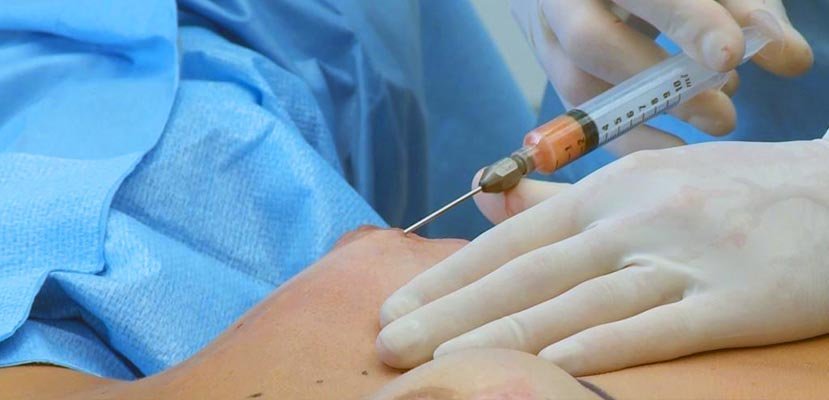
Fat harvesting with a multi-perforated cannula
The first step is fat collection.
A multi-perforated cannula, typically 2 mm in diameter, is used and connected to a syringe.
This type of cannula allows surgeons to:
- Harvest fat gently
- Preserve cellular viability
- Minimize trauma and rupture of adipocytes
- Reduce bleeding and tissue damage
The goal is to obtain pure, intact fat with a high survival rate after grafting.
Processing the fat into microfat
After harvesting, the material is processed to create microfat.
Microfat consists of very small clusters of adipocytes, making it ideal for:
- Facial volume restoration
- Filling delicate or superficial areas
- Softening grooves and irregularities
- Creating smooth transitions between facial structures
Because the adipocytes remain structurally intact, microfat provides long-lasting volume and integrates well into the recipient tissue.
Preparing nanofat
When the intention is not to add volume but to improve skin quality, texture, and regeneration, the material undergoes an additional processing step to produce nanofat.
Nanofat is created by:
- Passing the fat through specific filters multiple times
- Completely breaking down the adipocytes
- Producing a smooth, homogeneous emulsified product
- Retaining only the stromal vascular fraction — rich in stem cells and regenerative factors
The result is a very fine, fluid material, similar to a “mousse,” ideal for superficial applications that promote:
- Improved skin texture
- Dermal regeneration
- Increased luminosity
- Reduction of fine lines
Nanofat does not create volume — its effect is regenerative.
Filtration through multiple mesh sizes
Filtration is one of the key steps in transforming fat into nanofat.
The fat is moved back and forth between syringes through sequential filters with decreasing mesh size. This ensures:
- Complete removal of larger adipocytes
- A uniform, finely emulsified texture
- Safe passage through microcannulas and fine needles
This step guarantees smooth injection and consistent distribution.
Combining techniques for enhanced results
In many advanced protocols, microfat or nanofat is combined with complementary technologies to enhance regenerative potential, such as:
- Fractional CO₂ laser
- Microneedling
- Light chemical solutions, including low-concentration trichloroacetic acid (TCA)
These combinations improve penetration, stimulate collagen remodeling, and amplify the overall outcome.
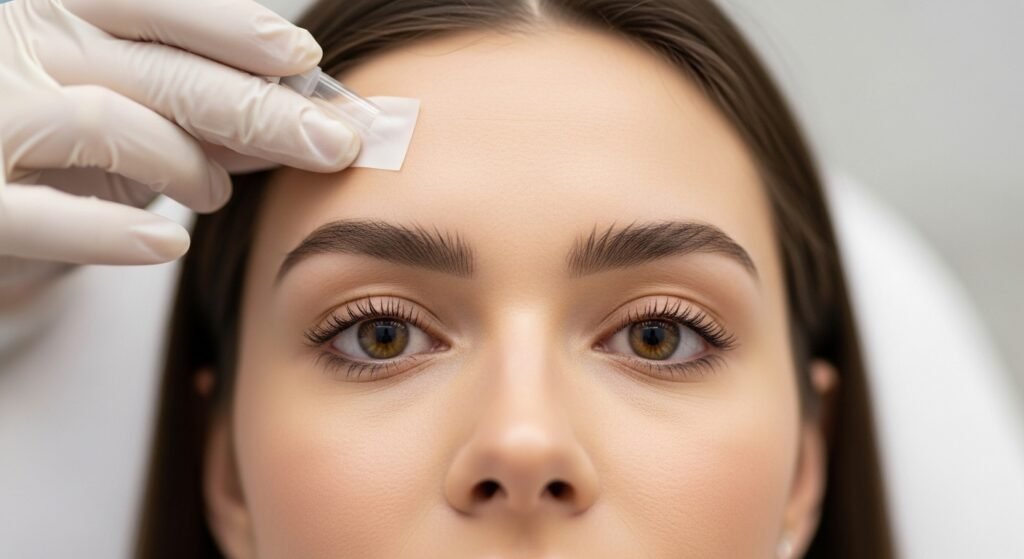
Final preparation and application
Once emulsification and filtration are complete, the material is ready for use.
The final goal is to ensure that the fat:
- Remains biologically active
- Has the ideal consistency for the indication
- Delivers safe, predictable, and natural-looking results
The decision between microfat and nanofat depends on the clinical objective — volume restoration, regeneration, or a combination of both.