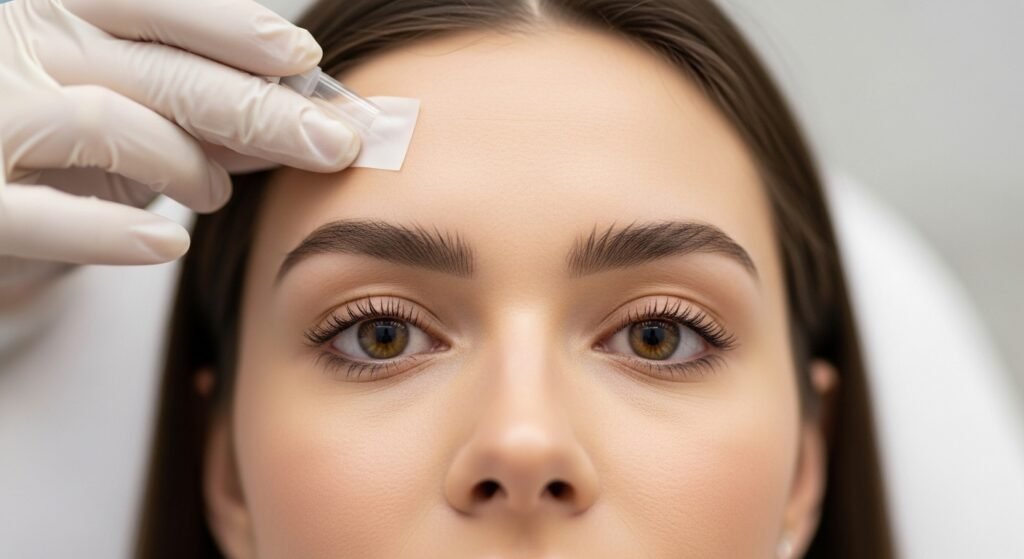
Facial Fat Grafting: How Much Fat Remains and How the Procedure Really Works
One of the most common questions in plastic surgery consultations is: “How much of the fat injected into my face will actually stay?” Facial fat grafting, also known as fat transfer or lipofilling, is a safe, natural, and long-lasting procedure. However, the final result depends on several important factors, especially surgical technique.
In this article, we explain how facial fat grafting works, how much fat typically survives, what influences fat retention, and why proper technique is essential for success.
What is facial fat grafting?
Facial fat grafting is a procedure that involves the transfer of living cells from one area of the body to another. These cells are called adipocytes, which are responsible for volume and contour.
The fat is gently harvested through liposuction—usually from the abdomen, flanks, or thighs—processed, and then carefully injected into the face to restore volume and improve contours.
👉 Once these fat cells successfully integrate into the new area, they remain there permanently.
Is the fat permanent?
Yes. The fat that survives the graft is permanent. After the fat cells establish a blood supply, they behave like fat anywhere else in the body. This means:
- They can increase in size if the patient gains weight
- They can decrease in size if the patient loses weight
For this reason, maintaining a stable weight is important to preserve long-term results.
More than volume: the regenerative effect of fat
Fat grafting offers more than just volume replacement. Along with adipocytes, the graft contains:
- Stem cells
- Growth factors
- Humoral factors involved in cellular regeneration
These components improve skin quality, texture, and elasticity, making facial fat grafting not only a filling procedure but also a regenerative treatment.
How much of the fat actually survives?
This is the key question—and the answer is: it depends on multiple factors, mainly the technique used.
On average:
- Body fat grafting: 70–80% survival rate
- Buttocks: around 80%
- Breasts: approximately 70%
- Face: fat survival is very high, often comparable or even better when performed correctly
These percentages are considered excellent outcomes in plastic surgery.
The importance of proper fat harvesting
Successful fat grafting begins with careful harvesting. Key principles include:
- Using low negative pressure during aspiration to avoid cell damage
- Keeping the fat outside the body for the shortest possible time
- Minimizing exposure to oxygen
- Gentle handling and minimal manipulation
These steps preserve cell viability and significantly improve fat survival.
Injection technique makes all the difference
How the fat is injected is just as important as how it is harvested. Proper technique includes:
- Use of fine cannulas
- Retrograde injection
- Fan-shaped, multi-layered distribution
- Avoiding large boluses of fat
This is crucial because grafted fat cells depend on the surrounding blood supply for nourishment. Proper distribution maximizes oxygen delivery and survival.
Why surgeon experience matters
Facial fat grafting is a highly technical procedure. When performed correctly, it produces natural, long-lasting results with high fat retention.
Poor technique, on the other hand, may lead to:
- Excessive fat resorption
- Irregularities
- Unpredictable outcomes
That is why surgeon expertise and technique are critical.
Conclusion
Facial fat grafting is a safe, natural, and effective option for facial rejuvenation. On average, 70–80% of the transferred fat remains, especially when meticulous harvesting and injection techniques are used.
Beyond volume restoration, fat grafting offers regenerative benefits that improve skin quality and facial harmony.
👉 For optimal and lasting results, proper technique and experienced surgical hands make all the difference.