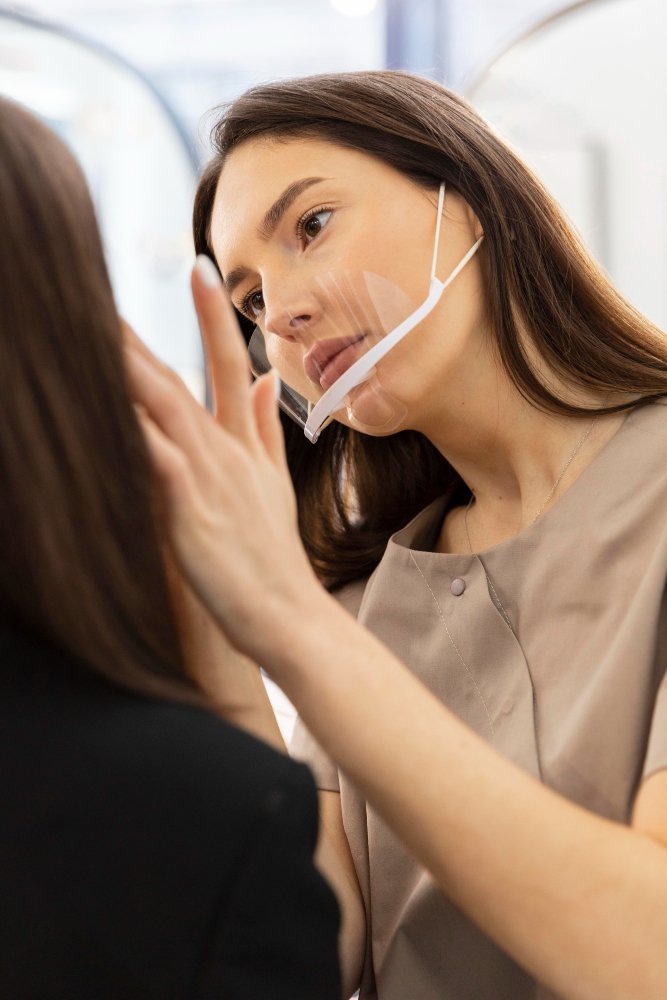
Facelift preoperative mistakes to avoid are among the most critical pieces of knowledge a patient must acquire when planning a comprehensive facial rejuvenation journey.

The success of a facelift does not depend only on surgical technique or the surgeon’s experience. Preoperative preparation is an essential stage that is often underestimated by patients.

What you do—or avoid doing—before surgery can directly influence the final result, the safety of the procedure, and even recovery time. Understanding what not to do before a facelift is crucial to prevent complications and ensure a more natural and predictable outcome.

If you are exploring options for advanced deep-plane lifting and demand the highest global standards of safety, organizing your Plastic Surgery in Brazil connects you with premier, board-certified surgeons who utilize state-of-the-art diagnostic screening to map your facial tissues before any intervention.

The Importance of Injectable History Before Surgery

One of the most important aspects of facelift planning is the presence of previous facial injectables. Substances such as hyaluronic acid fillers, collagen biostimulators, and even permanent materials like liquid silicone or PMMA can directly interfere with surgery.

These products may remain in the tissues for long periods and alter facial anatomy. During a facelift, they can make tissue dissection more difficult, increase the risk of inflammation, and lead to prolonged postoperative swelling.

For this reason, accurately reporting all previous aesthetic procedures is essential before any facial surgery. Concealing these previous treatments is one of the primary facelift preoperative mistakes to avoid for a smooth operational path.

Why Dermatologic Ultrasound Is So Important

Dermatologic ultrasound has become a key tool in facelift planning for patients who have previously used injectables. This exam works as a true “map of the face,” allowing the surgeon to identify exactly where residual products are located.

With this information, the surgeon can plan the procedure more precisely, avoid high-risk areas, and significantly reduce the chance of complications. This imaging approach allows the team to intercept potential problems early.

In some cases, especially when there is a large amount of residual hyaluronic acid, ultrasound-guided removal may be necessary prior to surgery. This improves safety and predictability, steering the patient clear of serious facelift preoperative mistakes to avoid.

To explore more regarding advanced pre-operative health screenings, facial mapping technologies, and accredited hospital safety standards, you can visit the main Belvivere medical group website.

Why Getting New Injectables Belongs on the List of Facelift Preoperative Mistakes to Avoid

One of the most common mistakes is undergoing aesthetic injections too close to facelift surgery. Recent fillers can interfere with surgical planning and increase the risk of postoperative complications.

Ideally, all injectable treatments should be avoided in the weeks or months leading up to surgery. This recommendation is central to defining the core facelift preoperative mistakes to avoid.

The longer the interval between the last aesthetic procedure and the facelift, the better the outcome tends to be. This allows the tissues to stabilize and reduces the presence of substances that may interfere with facial anatomy during surgery.

Facelift preoperative mistakes to avoid

Permanent Substances Require Special Attention

Permanent fillers such as liquid silicone or PMMA require even greater caution. Unlike hyaluronic acid, these substances cannot be easily dissolved and may remain in the tissues indefinitely.

In many cases, if they are not causing inflammation or complications, removal is not recommended. However, their presence must be carefully considered during surgical planning.

Ignoring these materials can increase the risk of irregularities, inflammation, and unpredictable results. Full clinical transparency is needed to prevent dangerous facelift preoperative mistakes to avoid when dealing with permanent synthetic components.

To review long-term before-and-after photographic records showing how careful, highly planned procedures deliver beautiful results while safely managing complex histories, you can examine our patient outcomes registry here: Check out the results of some patients.

Avoid Aggressive Aesthetic Procedures Before Surgery

In addition to injectables, other aesthetic procedures should also be avoided before a facelift. Aggressive skin treatments such as deep chemical peels, ablative lasers, or procedures that cause significant inflammation can negatively affect healing.

Undergoing these intense therapies right before an operation is another classic example of facelift preoperative mistakes to avoid. It forces the skin to recover from surface inflammation while undergoing deep trauma.

The ideal approach is to keep the skin in a stable and healthy condition before surgery. This promotes faster recovery and reduces the risk of complications.

The Importance of Individualized Evaluation

Every patient has a unique history of aesthetic treatments and distinct anatomical characteristics. For this reason, facelift preparation must always be personalized.

The surgeon must evaluate not only the skin but also the presence of injectables, tissue quality, and any signs of inflammation. This detailed assessment is essential to determine the safest timing and the most appropriate surgical plan.

Skipping this precise step or relying on a generic assessment creates preventable risks. Comprehensive analysis remains the absolute tool to prevent hidden facelift preoperative mistakes to avoid.

The Patient’s Role in Surgical Success

The outcome of a facelift does not depend solely on the surgeon. Patients also play a crucial role by following preoperative instructions correctly.

Avoiding unnecessary aesthetic procedures before surgery, completing recommended evaluations, and providing a full treatment history are essential steps that contribute directly to safety and optimal results. By actively eliminating facelift preoperative mistakes to avoid, you become a critical partner in your own aesthetic success.

Conclusion: Ensuring Safety and Predictability

Knowing what not to do before a facelift is just as important as understanding the procedure itself. The presence of previous injectables, recent aesthetic treatments, and lack of proper evaluation can significantly impact surgical outcomes.

Avoiding these common facelift preoperative mistakes to avoid ensures that your healing phase remains entirely uneventful and highly efficient. Dermatologic ultrasound, individualized planning, and adequate timing between procedures are key factors for ensuring safety and predictability.

When these steps are properly followed, a facelift becomes not only safer but also more effective, delivering natural, harmonious, and long-lasting results. For further clinical insights into pre-operative planning guidelines and comprehensive patient safety checklists, you can always connect directly with the main Belvivere medical team.