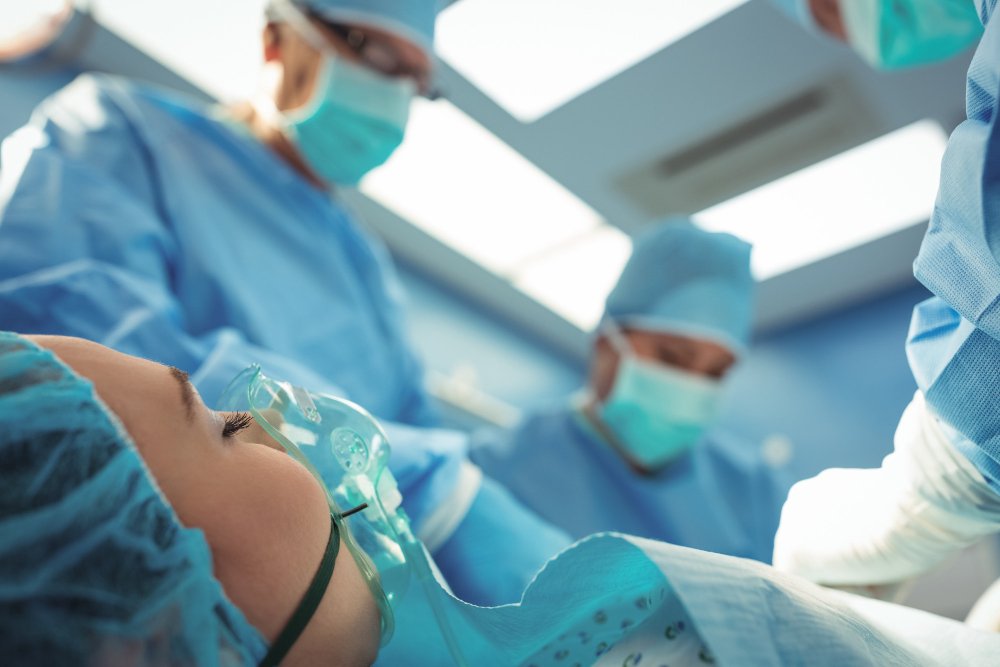
Belvivere House is the center for consultation, surgical planning and follow-up. Facial operations are performed at Hospital São José. This separation clarifies who is responsible for each stage of care and helps international patients distinguish medical support from travel logistics.
Five stages of the Belvivere pathway
| Stage | Purpose | What patients should understand |
|---|---|---|
| Remote consultation | Review concerns, health history and previous procedures | It is preliminary and does not guarantee candidacy |
| In-person examination | Assess anatomy, movement, skin, eye health and injectables | The plan may be reduced, changed, staged or postponed |
| Preparation | Review tests, medications, nicotine, GLP-1 use and recovery arrangements | Safety may require delay or additional evaluation |
| Hospital surgery | Provide anesthesia, monitoring and immediate recovery | The clinic is not the operating hospital |
| Follow-up | Monitor healing and decide when activity and travel are appropriate | Concierge assistance does not replace clinical care |
Facial diagnosis before selecting a procedure
Dr. June Favarin’s principle is to understand the face before considering how to change it. Brow position, eyelid function, midface descent, jowls, neck anatomy, volume and skin quality are assessed separately. A plan may involve Hybrid Blepharoplasty, video-assisted brow or midface surgery, Deep Plane facelift, Neck Lift, selected Deep Neck surgery or facial fat grafting.
Surgery is not a menu. Not every region needs treatment, and a deeper or more extensive operation is not automatically better. Preserving anatomy, expression and recognizable identity takes priority over applying a fashionable technique.
How previous treatments affect planning
Patients should provide names, dates and treated areas for Botox, hyaluronic-acid fillers, biostimulators, threads, PMMA, silicone, fat grafting and energy devices. These treatments can change volume, tissue planes or inflammation. When information is incomplete, dermatologic ultrasound may support planning. It does not replace examination or guarantee that every product can be identified or removed.
What happens at Hospital São José?
Operations take place at Hospital São José, with the anesthesia, monitoring and recovery resources appropriate to the planned procedure. Hospital care reduces avoidable gaps but cannot eliminate complications. Risks depend on the operation and can include bleeding, infection, eye irritation, nerve symptoms, skin-healing problems, scars, asymmetry and anesthesia-related events.
What concierge support includes—and does not include
- Guidance about accommodation and local transportation.
- Coordination of consultation and postoperative appointments.
- Practical information for the accompanying adult.
- Help navigating the local recovery period.
The concierge team does not diagnose complications, replace an accompanying adult or substitute for emergency services. New severe pain, breathing difficulty, visual change, rapidly increasing swelling, heavy bleeding or other urgent symptoms must be reported to the medical team and may require hospital assessment.
Travel and continuity of care
For major facial surgery, Belvivere generally plans at least 15 days in Brazil, individualized to the procedure and progress. Patients commonly arrive before surgery for examination and preparation. Flight clearance is based on healing, not a guaranteed departure date.
After returning home, remote follow-up supports continuity, but patients also need access to local medical care if an examination or urgent intervention becomes necessary. A responsible international pathway includes both planned reviews and a clear escalation plan.
What distinguishes responsible care
The meaningful distinction is not a claim to be “the best” or “premier.” It is a verifiable process: individualized indication, informed consent, appropriate hospital care, realistic recovery planning and continued access to the team.