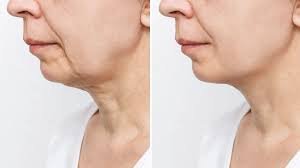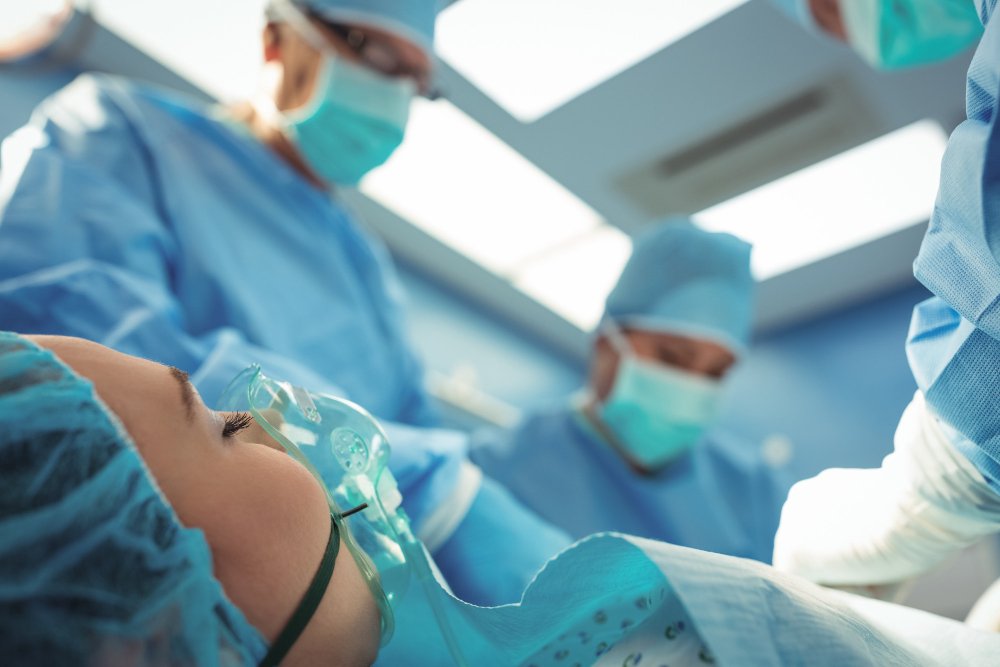
Neck Lift surgery is not one standardized operation. It may address skin laxity, superficial fat and platysma support, while Deep Neck surgery adds selected treatment beneath the platysma. The plan should be based on anatomy—not on choosing the deepest or most fashionable technique.
Which structures shape the neck?
The visible neck contour reflects skin elasticity, superficial and deep fat, platysma, digastric muscles, submandibular glands, chin projection, mandibular shape and hyoid position. Weight stability and previous surgery or injectables also matter.
Comparing available approaches
| Finding | Possible approach | Limitation |
|---|---|---|
| Localized superficial fat and elastic skin | Selected liposuction | Does not repair platysma or deep fullness |
| Platysma bands and skin laxity | Neck Lift | Cannot change skeletal anatomy or hyoid position |
| Meaningful subplatysmal fullness | Selected Deep Neck treatment | Additional dissection brings specific risks |
| Limited chin projection | Separate skeletal assessment | Soft-tissue lifting alone may not create the desired angle |
How Dr. June approaches the platysma
When indicated, the operation may combine central platysma plication with lateral traction, without excising central neck skin. This supports the cervicomental contour from more than one direction. Skin is redraped according to tissue excess and anatomy; it is not subjected to a promise of “zero tension.”
When Deep Neck may be added
Deep Neck can address selected subplatysmal fat, digastric anatomy or gland prominence through a submental approach. Partial submandibular-gland reduction is optional, not routine. Risks may include bleeding, hematoma, salivary leak or sialocele, dry-mouth symptoms and nerve-related lower-lip weakness.
Previous fillers, threads, biostimulators, PMMA, silicone and device treatments should be disclosed. Dermatologic ultrasound may help when material or fibrosis could alter surgical planes.
Scars, limitations and risks
Incisions may lie around the ears, along the hairline and beneath the chin. They are permanent scars even when carefully placed. Risks include hematoma, infection, seroma, delayed healing, skin compromise, contour irregularity, sensory change, motor weakness, salivary complications, asymmetry and revision.
Neck surgery cannot move the hyoid, replace deficient bone projection, erase every horizontal line or stop aging. Results also change with weight fluctuation.
Recovery
Swelling, bruising, tightness, numbness, restricted neck movement, swallowing discomfort and temporarily limited expression can occur. Early contour is not final; swelling and scar tissue may mature over months. Rapid swelling, breathing difficulty, escalating pain, fever, drainage, chest pain or shortness of breath requires urgent assessment.
Planning surgery in Brazil
Belvivere performs major neck procedures at Hospital São José. International planning begins remotely and is confirmed in person. A stay of at least 15 days is commonly planned after major facial surgery, subject to recovery. The concierge supports local logistics.
Read more about Deep Neck candidacy and double-chin treatment by anatomy.
Key point
A proportionate Neck Lift treats the structures responsible for the problem while respecting skeletal limits, function and facial identity.