Every surgical incision leaves a scar. Careful planning and follow-up can improve how it heals, but no cream, technique or surgeon can promise an invisible scar. Final quality reflects incision placement, tissue tension, blood supply, genetics, skin type, nicotine exposure, infection, sun exposure and individual healing.
What influences scar quality?
| Factor | How it may affect healing |
|---|---|
| Incision placement | Natural creases and anatomical borders may improve camouflage |
| Tension and perfusion | Excess tension or impaired blood flow can widen or compromise a scar |
| Nicotine and health | May delay healing and increase infection or tissue loss |
| Genetics and skin biology | Influence pigmentation, hypertrophy and keloid tendency |
| Postoperative events | Infection, dehiscence and trauma can change the final appearance |
1. Follow wound-care instructions
Cleaning, dressings and topical products depend on the operation and stage of healing. Do not apply ointments, oils or cosmetics to an open incision unless prescribed. Excess moisture, friction or unapproved products can irritate tissue. Contact the team for separation of the wound, drainage, increasing redness, fever, unexpected pain or darkening skin.
2. Avoid nicotine
Cigarettes, vaping and other nicotine products can constrict blood vessels and increase wound-healing complications. The required cessation plan is individualized and extends into recovery. Read more about nicotine and plastic surgery.
3. Use silicone only when appropriate
Silicone gel or sheets may help selected closed, healed incisions, particularly when hypertrophic scarring is a concern. They are not applied to an open or infected wound and do not guarantee a flat or pale scar. Product, timing and duration should be recommended after examination.
4. Protect the scar from ultraviolet exposure
Sun exposure can increase pigment contrast while a scar is maturing. Once the incision is closed and the team permits topical products, use physical coverage and broad-spectrum sunscreen appropriate for the area. Facial scars near the hairline or ears also need protection even when partly concealed.
5. Do not massage automatically
Massage is not suitable for every incision or every stage. Starting too early or applying excessive pressure can irritate healing tissue. When recommended, the technique should be demonstrated by the clinical team. Vitamin E oil is not required and may cause irritation in some patients.
How scars change with time
Early scars may be pink, red, firm, raised or darker than surrounding skin. They generally soften and fade over months, but maturation varies. A scar that remains raised, itchy, painful, widened or progressively pigmented may need assessment rather than additional home treatment.
When treatment may be considered
Depending on scar type and timing, options may include silicone, taping, corticosteroid treatment, laser or light-based treatment, microneedling or surgical revision. No option suits every scar, and revision creates a new healing process. The cause—tension, inflammation, pigmentation, hypertrophy or tissue loss—should be identified first.
Facelift and facial-surgery scars
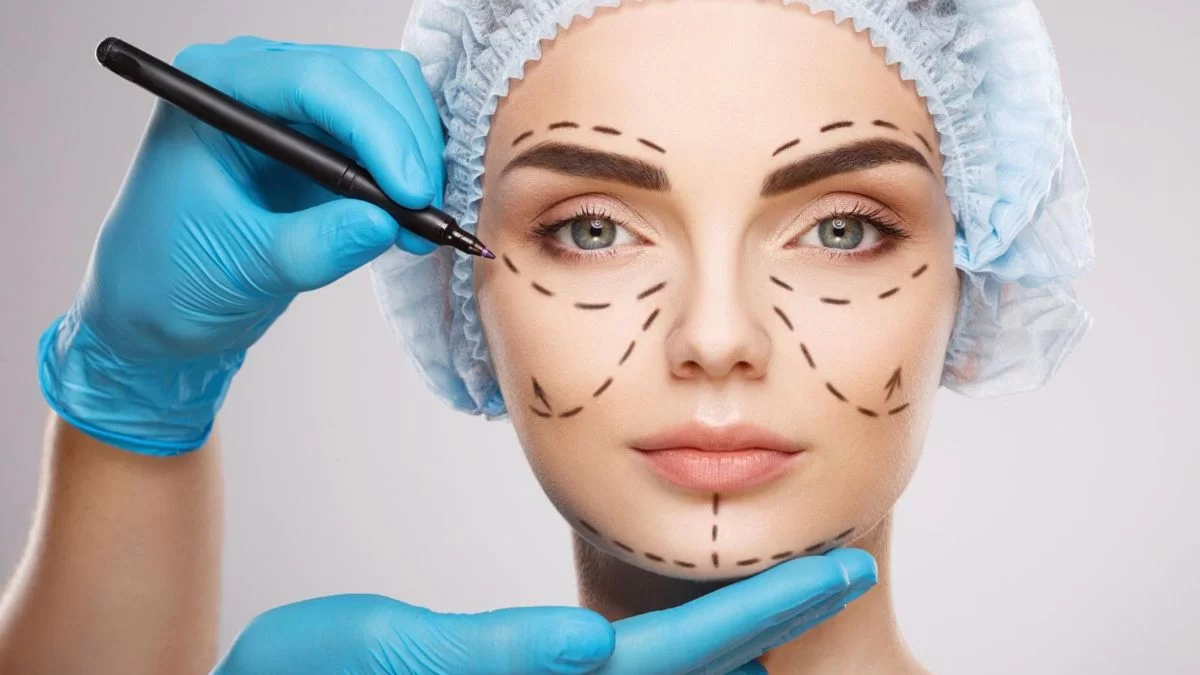
In facial lifting, support in deeper tissues can reduce reliance on skin tension, but it does not create “zero tension” or guarantee an imperceptible scar. Incisions may involve the temporal hairline, preauricular region, ear and posterior hairline according to anatomy and surgical extent. See facelift scar placement and warning signs.
Follow-up for international patients
Patients traveling for surgery need examinations before returning home and a plan for continued follow-up. Major facial procedures commonly require at least 15 days in Brazil. Belvivere’s concierge assists with logistics; scar assessment and treatment remain medical decisions.
Key point
The objective is a well-positioned, safely healed and progressively less noticeable scar—not an invisible one. Early evaluation is more useful than aggressive self-treatment when healing changes unexpectedly.