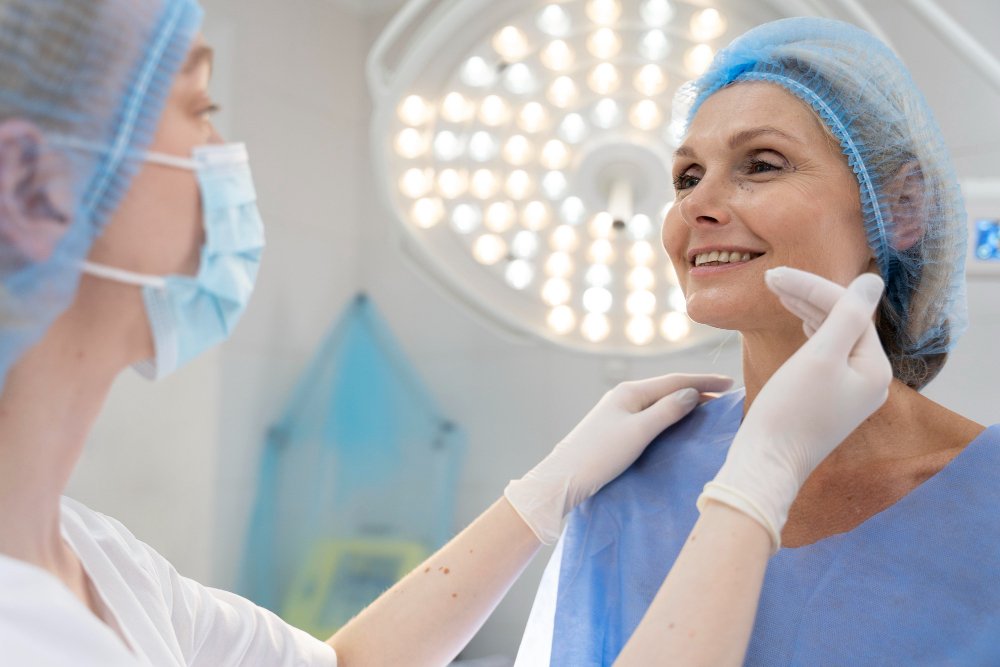
“Advanced” facial plastic surgery should not mean choosing the newest device or the deepest operation. It should mean using careful diagnosis, appropriate technology, hospital safety and a technique matched to the patient’s anatomy. The operation with the most impressive name is not automatically the right one.
Diagnosis comes before technique
Facial aging affects different regions in different ways: brow descent, eyelid changes, midface displacement, jowls, neck laxity, volume loss and skin damage. A complete analysis separates these findings and considers facial movement, eye health, bone structure, previous surgery and prior injectables.
| Primary concern | Options that may be considered | Important limitation |
|---|---|---|
| Brow or midface descent | Video-assisted surgery | Does not replace every blepharoplasty or lower facelift |
| Lower-face laxity and jowls | SMAS or Deep Plane approaches | Technique depends on anatomy and scope |
| Neck fullness or bands | Liposuction, platysmaplasty, neck lift or selected Deep Neck | Not all fullness is fat |
| Volume loss | Microfat grafting | Retention varies and overfilling should be avoided |
| Skin-quality concerns | Dermatologic treatment or selected nanofat | Does not mechanically lift tissues |
See how facial layers influence surgical planning and why Deep Plane and facial video surgery address different regions.
Technology supports judgment
Endoscopic visualization, dermatologic ultrasound, modern anesthesia monitoring and standardized photography can improve assessment and execution. They do not eliminate complications or compensate for an incorrect indication. If fillers, biostimulators, threads, PMMA, silicone or energy treatments were performed previously, the surgeon needs the product, location and date whenever possible. Ultrasound may clarify selected cases.
Safety is part of the result
Facial surgery can involve bleeding, infection, delayed healing, visible scars, asymmetry, sensory changes, temporary or persistent motor weakness, eye symptoms and the need for revision. Risk varies with the procedure, medical history, nicotine exposure, medications and combined operating time.
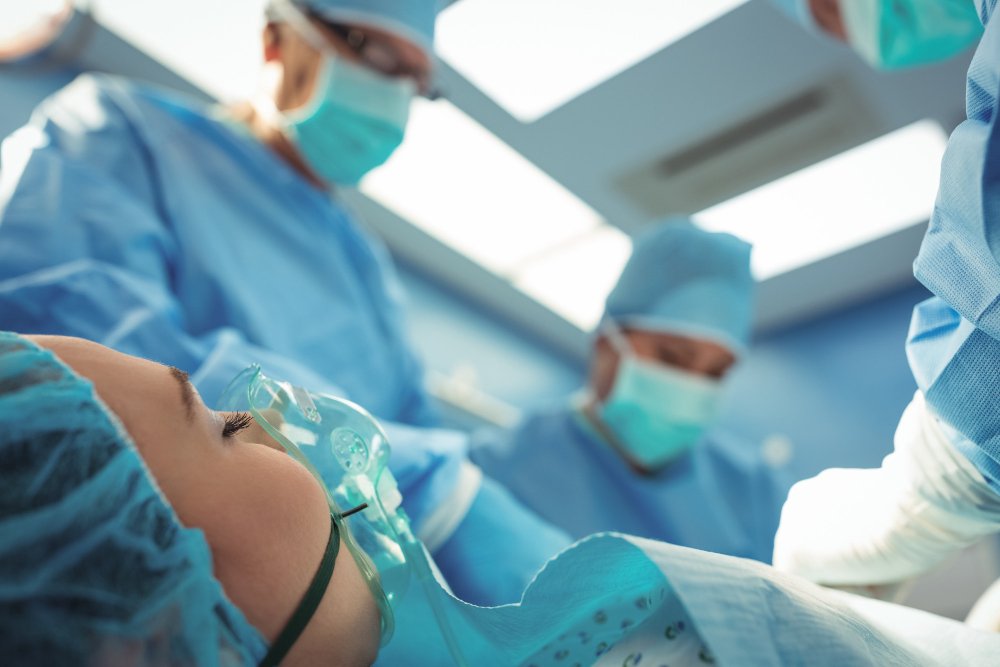
At Belvivere, major facial operations are planned in a hospital with an anesthesia team and postoperative support. Technique selection also considers how much surgery can be performed responsibly in one session. Read about the hospital setting and our approach to anesthesia planning.
Planning for patients traveling to Brazil
Remote consultation can begin the process, but it does not replace in-person examination. International patients need time for preoperative assessment, surgery, early appointments and clearance before flying. For major facial procedures, the team commonly plans at least 15 days in Brazil, depending on recovery. The concierge team can assist with practical logistics but cannot replace medical monitoring.
What defines an appropriate plan?
The objective is not maximum change. It is a proportionate improvement that preserves facial identity and function, with limitations and alternatives discussed before surgery. Sometimes a smaller operation, staged procedures or observation is the more advanced decision.