Patients with obstructive sleep apnea should not stop CPAP on their own after a facelift. Positive airway pressure may remain important for breathing safety, but the mask interface, facial swelling, incisions and the procedures performed can require an individualized plan developed before surgery.
There is no universal number of nights that every patient must avoid or resume CPAP after facial surgery. The plastic surgeon, anesthesiologist and sleep-medicine clinician should balance two real concerns: untreated sleep apnea and pressure from the mask on healing facial tissues.
Why does sleep apnea matter during facial surgery?
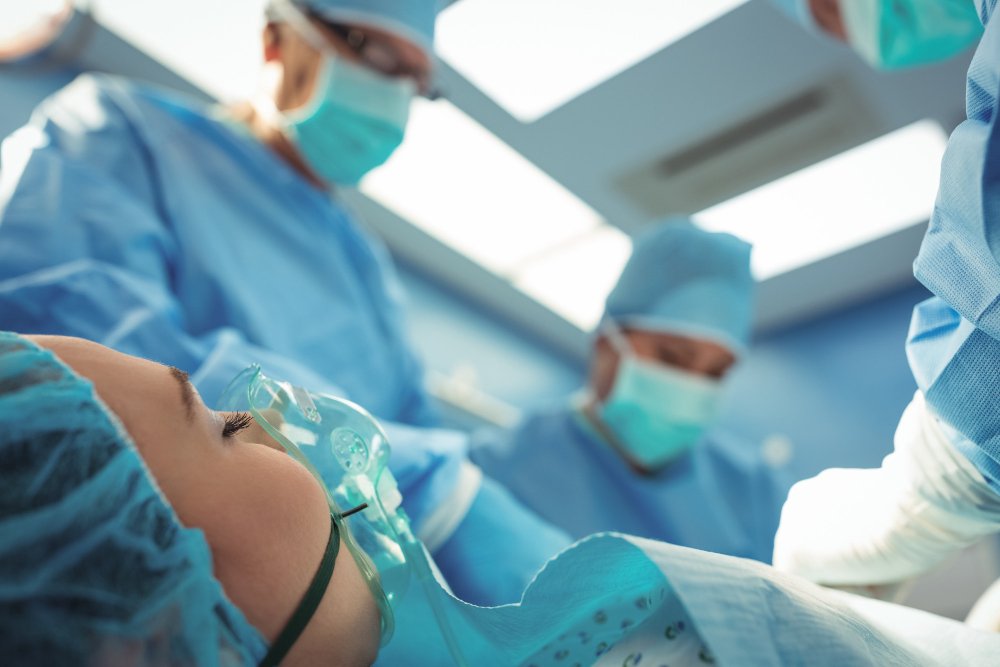
Obstructive sleep apnea causes repeated narrowing or closure of the upper airway during sleep. Anesthesia, sedatives and opioid pain medication can worsen airway obstruction and reduce the normal response to low oxygen levels. The risk does not end when the operation finishes; postoperative sleep and medication effects also matter.
The UK Centre for Perioperative Care states that patients with undiagnosed or inadequately managed sleep apnea have an increased risk of complications during and after surgery. Its guidance, updated in March 2025, emphasizes screening, planning and appropriate postoperative care rather than treating sleep apnea as a minor detail.
Should you tell the surgical team even if CPAP works well?
Yes. Controlled sleep apnea is still part of the anesthesia assessment. Share:
- your diagnosis and most recent sleep-study information, when available;
- the prescribed CPAP or bilevel pressure settings;
- how consistently you use the device;
- the type and size of mask;
- recent symptoms, weight changes and daytime sleepiness;
- any oxygen use or other respiratory condition.
Bring the machine, mask, tubing and power accessories if the team asks you to. Society of Anesthesia and Sleep Medicine guidance recommends that facilities have positive-airway-pressure equipment available or ask patients to bring their own device, and it encourages appropriate perioperative use for established users.
Why can the mask be a concern after a facelift?
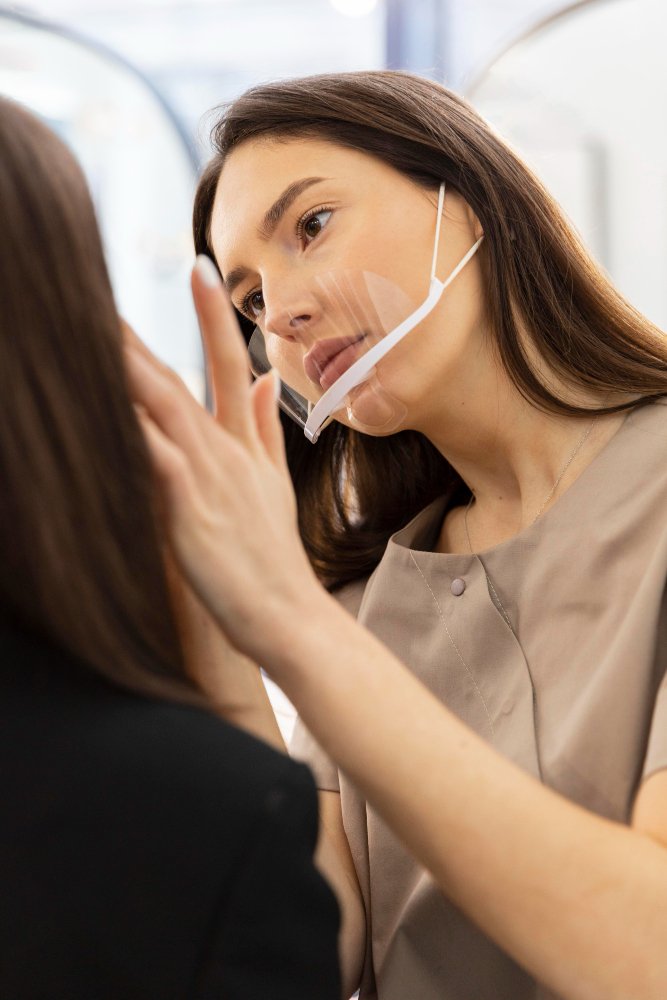
CPAP masks seal by applying pressure to the face. Depending on the interface, that pressure may fall across the cheeks, nose, temples, jaw or areas close to incisions. After a facelift, neck lift, midface procedure, fat grafting or eyelid surgery, those tissues may be swollen, tender and vulnerable to friction.
The concern is not that CPAP automatically ruins a facelift. It is that a poorly fitting or tightly secured mask could create focal pressure, irritate an incision, worsen discomfort or compress an area that the surgeon wants protected. The relevant contact points differ between a nasal-pillow interface, a nasal mask and a full-face mask.
Is stopping CPAP safer for the face?
Not necessarily—and it may be unsafe for breathing. In patients accustomed to positive airway pressure, abrupt withdrawal can allow sleep-apnea symptoms and physiologic changes to return quickly. The anesthesia and surgical teams must decide whether CPAP should continue as prescribed, be adjusted, use a different interface, or require monitored alternatives.
Do not loosen the mask until it leaks, change pressure settings, substitute supplemental oxygen or sleep without therapy unless the clinicians managing your case have provided a plan. Oxygen alone does not treat airway obstruction in the same way as CPAP.
What should be planned before traveling to Brazil?
| Planning step | Why it matters |
|---|---|
| Send sleep-apnea records early | Allows anesthesia review before flights and nonrefundable bookings |
| Photograph the mask on your face | Shows exactly where straps and cushions contact the planned surgical areas |
| Bring your complete device | Your familiar equipment and settings may be useful if approved |
| Confirm electrical compatibility | Avoids discovering a plug or power problem during recovery |
| Plan supervised early recovery | Provides help with medication, positioning and warning signs |
| Arrange follow-up at home | Supports continuity if mask fit or respiratory symptoms change |
Your remote consultation can identify potential conflicts, but the final plan may change after the in-person examination and anesthesia assessment. Read more about medical clearance before facial surgery abroad and anesthesia planning for facial surgery.
Does the type of facelift change the answer?
Yes. A limited procedure and a combined facelift, neck lift, brow lift, midface lift, blepharoplasty or fat grafting do not create the same swelling or pressure-sensitive areas. Incision location, dressing, skin quality and mask design all matter.
This is why a generic instruction such as “do not use CPAP for one week” or “resume immediately” can be misleading. The surgeon must map where the interface touches the face and compare that with the operation being planned.
Can a different CPAP mask solve the problem?
Sometimes an alternative interface can reduce contact with a sensitive area, but changing masks is not a casual postoperative experiment. A new interface may leak, fit poorly or fail to deliver effective therapy. It should be tested before travel when possible and discussed with the sleep-medicine or respiratory team.
Nasal pillows reduce broad cheek contact but still apply pressure around the nostrils and require the mouth to remain adequately sealed. A full-face mask covers a larger surface. Neither is automatically safer for every facial procedure.
What happens in the hospital after surgery?
The anesthesia team may use additional monitoring and tailor pain control, airway management and recovery according to the severity of sleep apnea, other diseases and the extent of surgery. Strategies that reduce unnecessary sedatives and opioids may be relevant because these medications can worsen respiratory obstruction.
Patients should not assume that discharge timing is identical for everyone. Oxygen levels, alertness, breathing during sleep, pain control and the ability to use the prescribed airway plan can influence observation and discharge decisions.
What warning signs require urgent attention?
Seek immediate medical help for difficulty breathing while awake, repeated choking, bluish lips, severe confusion, inability to stay awake, chest pain, fainting or persistently low oxygen readings when monitoring has been prescribed. Contact the surgical team promptly for new pressure injury, skin discoloration, increasing facial pain, bleeding or a mask pressing directly on an incision.
Frequently asked questions
Should I bring my CPAP machine to Brazil?
Yes, unless your team specifically says otherwise. Bring the machine, mask, tubing, humidifier components, prescription or settings, and a suitable power adapter.
Can I sleep without CPAP for the first few nights?
Do not make that decision yourself. Untreated sleep apnea can be particularly relevant after anesthesia and pain medication.
Can I use supplemental oxygen instead of CPAP?
Only when prescribed within a monitored plan. Oxygen may improve saturation but does not necessarily prevent upper-airway obstruction.
Will CPAP increase facelift swelling?
There is no universal answer. Airway pressure and mask pressure are different issues; mask fit, strap tension and the areas operated on require individual assessment.
What if my mask presses on the cheeks or temples?
Send photographs before surgery and discuss alternative interfaces early. Do not wait until the first postoperative night to discover the conflict.
How should the final decision be made?
Sleep apnea should be incorporated into the surgical plan, not managed as an afterthought. The safest approach protects both the airway and the healing face through advance review, an appropriate interface, careful monitoring and clear written instructions.
Medical author: Dr Eduardo Favarin, Plastic Surgeon — CRM-SC 9848, RQE 6880.
This article is educational and does not replace individualized advice from your plastic surgeon, anesthesiologist or sleep-medicine clinician. Do not stop or change CPAP settings without medical guidance.
References
- Centre for Perioperative Care. Perioperative Management of Obstructive Sleep Apnoea in Adults, updated March 2025.
- Society of Anesthesia and Sleep Medicine Guidelines on Preoperative Screening and Assessment of Adults With OSA.
- Perioperative Care of Patients With OSA Undergoing Upper Airway Surgery: review and consensus recommendations.