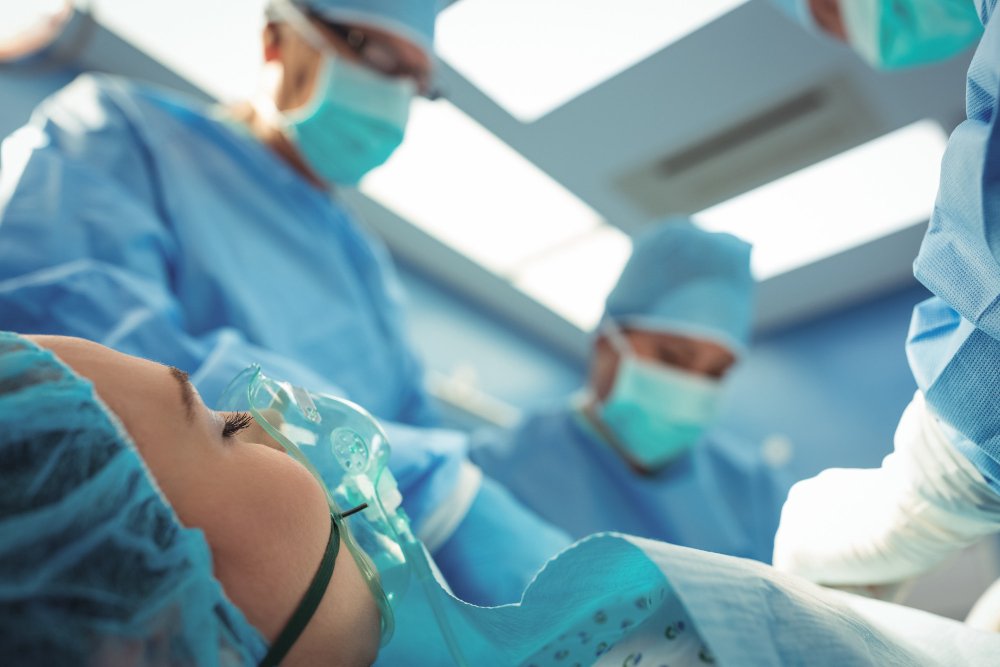
Fat grafting longevity is one of the most common and essential questions among patients considering modern facial or body rejuvenation procedures. The definitive answer may surprise you—fat is a living, dynamic cell, not a temporary synthetic gel product. Because of this physiological reality, its duration can be considered indefinite once the tissue integrates into its new home. If you are exploring permanent volume restoration options and want to experience world-class clinical standards, planning your Plastic Surgery in Brazil connects you with expert surgeons renowned for maximizing cellular survival rates.

In this comprehensive scientific article, you will understand exactly how autologous fat transfer works, the biological mechanisms behind fat grafting longevity, and which clinical and lifestyle factors directly influence how long the tissue remains stable in the body. By understanding the science of living tissue grafts, you can make an informed decision and establish realistic expectations for your aesthetic transformation.

What Is Fat Grafting?

Fat grafting, widely known in medical literature as autologous fat transfer or lipofilling, is a surgical procedure that uses the patient’s own excess adipose tissue to restore youthful volume, smooth out deep creases, or enhance specific contours of the face or body.

The procedure follows a strict three-step medical process:

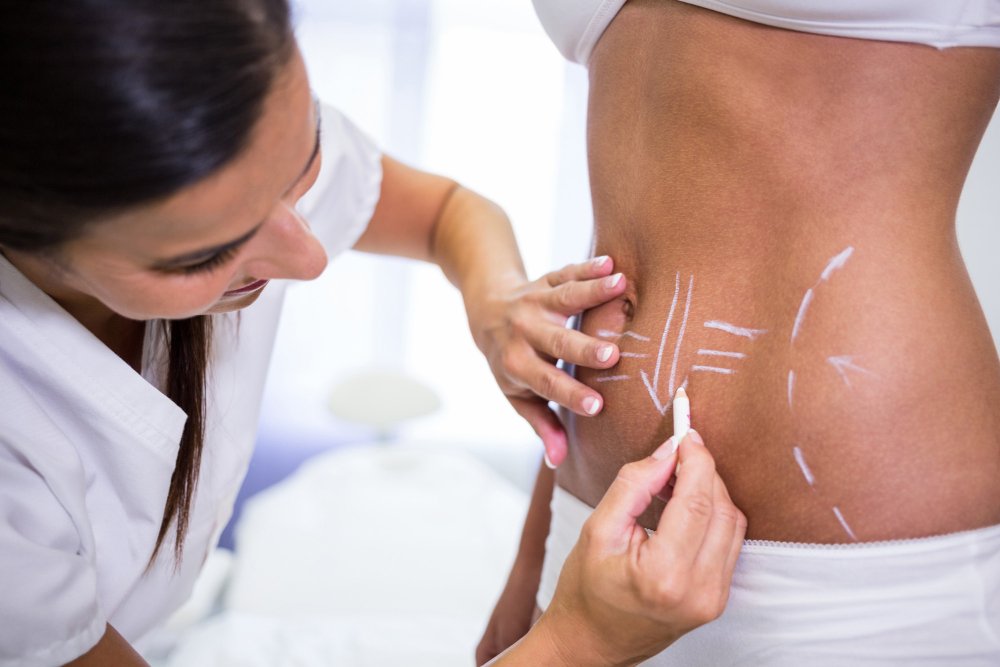
  1. Harvesting: Fat is gently collected from a donor site (such as the abdomen, flanks, or thighs) using specialized low-pressure liposuction techniques to protect cell walls.

  2. Purification: The harvested fluid is processed via centrifugation, filtration, or decantation to separate viable adipocytes (fat cells) from excess fluids, oil, and blood.

  3. Injection: The purified cells are meticulously reintroduced into the target area using micro-cannulas, placing tiny droplets in multiple tissue layers.

Since it is a completely natural material harvested directly from the patient’s own body, the risk of allergic reaction or foreign-body rejection is non-existent. This makes it an incredibly safe and biocompatible option when performed by a highly qualified professional.

Fat grafting longevity in brazil

The Biology of Cellular Survival: Fat Is a Living Cell

Unlike temporary synthetic dermal fillers, autologous fat grafting longevity relies entirely on the transfer of living cells. This biological distinction is crucial: once these transplanted adipocytes successfully integrate into the recipient area and establish a stable local blood supply (a physiological process called neovascularization), they behave exactly like any other healthy fat cell in the body.

In practical terms, the percentage of fat that successfully “survives” this transplantation process remains part of your living anatomy for an indefinite period. However, it is an established medical fact that not all of the transferred fat cells will survive the initial transplantation. A predictable portion of the injected volume, typically ranging from 30% to 50%, is naturally reabsorbed by the body’s lymphatic system within the first few weeks following the procedure.

To achieve optimal fat grafting longevity and ensure the final contours match the patient’s goals, experienced plastic surgeons use a precise micro-droplet injection technique and may introduce a slightly higher volume to strategically compensate for this expected initial reabsorption phase.

Critical Factors That Influence Fat Grafting Longevity

While the tissue that survives the initial phase is technically permanent, several key clinical variables dictate the ultimate level of cellular retention and long-term fat grafting longevity.

Advanced Surgical Technique

The mechanical handling of the delicate adipocytes during extraction, processing, and reinjection plays a massive role in overall cell survival. High-vacuum suction or aggressive spinning can rupture the cells, rendering them non-viable. Employing gentle, low-pressure micro-harvesting and utilizing atraumatic injection vectors dramatically improves long-term tissue retention.

The Blood Supply of the Treated Area

The vascularity of the recipient site is directly tied to fat grafting longevity. Areas with an abundant, dense blood supply—such as the highly vascularized muscle layers of the face or the deep layers of the cheeks—provide immediate oxygen and nutrients to the newly grafted cells. This rapid nourishment significantly accelerates tissue survival compared to areas with poor vascularity or high constant motion, such as the mobile tissues around the lips. To explore how different anatomical areas respond to this treatment and observe real long-term outcomes, you can view documented clinical cases here: Check out the results of some patients.

Understanding the Timeline: When Do Results Stabilize?

Patients will notice an immediate, dramatic increase in localized volume right after the procedure. However, this initial appearance is a combination of the transferred tissue, injected fluids, and normal post-operative swelling.

During the first 3 months, the body works diligently to clear away non-viable cells while building a new capillary network to sustain the surviving tissue. Between the 3-month and 6-month marks, the remaining fat cells fully stabilize, anchor permanently into the surrounding tissue matrix, and begin behaving like native tissue. Only after this crucial healing window has closed can the true, baseline fat grafting longevity be accurately measured and evaluated. To learn more about modern surgical safety standards, recovery timelines, and advanced facial tissue engineering, you can visit the main Belvivere medical group website.

Lifestyle Factors and the Impact of Weight Fluctuations

Because autologous fat consists of living cells, it remains completely subject to your body’s natural metabolic fluctuations. This physiological behavior has a direct, lifelong impact on fat grafting longevity. If a patient gains a significant amount of weight post-operatively, the integrated fat cells in the treated area will expand in volume, just like the rest of the adipose tissue in the body. Conversely, if a patient undergoes dramatic weight loss, those same transferred cells will shrink, which can reduce the fullness achieved by the surgery.

To protect your aesthetic investment and maintain optimal fat grafting longevity, patients are strongly advised to maintain a stable, healthy baseline weight. Adopting balanced nutritional habits, staying hydrated, and avoiding smoking—which severely restricts blood vessel function and destroys vital micro-circulation—are paramount steps to guarantee that your permanent results remain beautiful, structured, and youthful for a lifetime.

Fat Grafting vs. Synthetic Dermal Fillers

When weighing your options for facial or body rejuvenation, comparing autologous tissue to temporary synthetic options highlights the clear benefits of cellular transfers.

While popular synthetic dermal fillers like hyaluronic acid are highly convenient, temporary, and non-surgical, they are continuously degraded by the body’s natural enzymes. Most commercial fillers typically last anywhere from 6 months to 2 years, requiring ongoing, lifelong maintenance sessions. In stark contrast, an appropriately executed fat transfer provides unparalleled fat grafting longevity, completely eliminating the need for repeated touch-ups once the tissue stabilizes.

Additionally, autologous fat provides a significantly softer, more natural movement under the skin, entirely avoiding the stiff or over-filled appearance sometimes caused by excessive synthetic products. Adipose tissue is also rich in mesenchymal stem cells (ADSCs), which release potent regenerative growth factors. This biological boost improves overlying skin texture, enhances luminosity, and restores a healthy, youthful glow from the inside out—benefits that synthetic gels simply cannot replicate.

Fat grafting longevity

Conclusion: Achieving Natural, Permanent Rejuvenation

In conclusion, autologous fat transfer stands out as a premier procedure that offers beautifully natural, structurally sound, and exceptionally long-lasting volume restoration. Because fat is comprised of living cells, the true fat grafting longevity can be considered indefinite—providing a permanent architectural upgrade to your features, provided the cells successfully integrate into the surrounding tissues during the initial recovery window.

However, the ultimate success, predictability, and safety of the procedure rely heavily on a combination of technical factors, including the surgeon’s precise extraction methods, meticulous purification protocols, and your commitment to stable post-operative lifestyle habits. If you are looking for a natural, permanent solution to hollow areas or contour deficits, exploring this regenerative approach is highly rewarding. Choosing an experienced, board-certified professional and undergoing a customized anatomical evaluation remain the most vital steps to ensuring an efficient recovery and achieving elegant, long-lasting results.