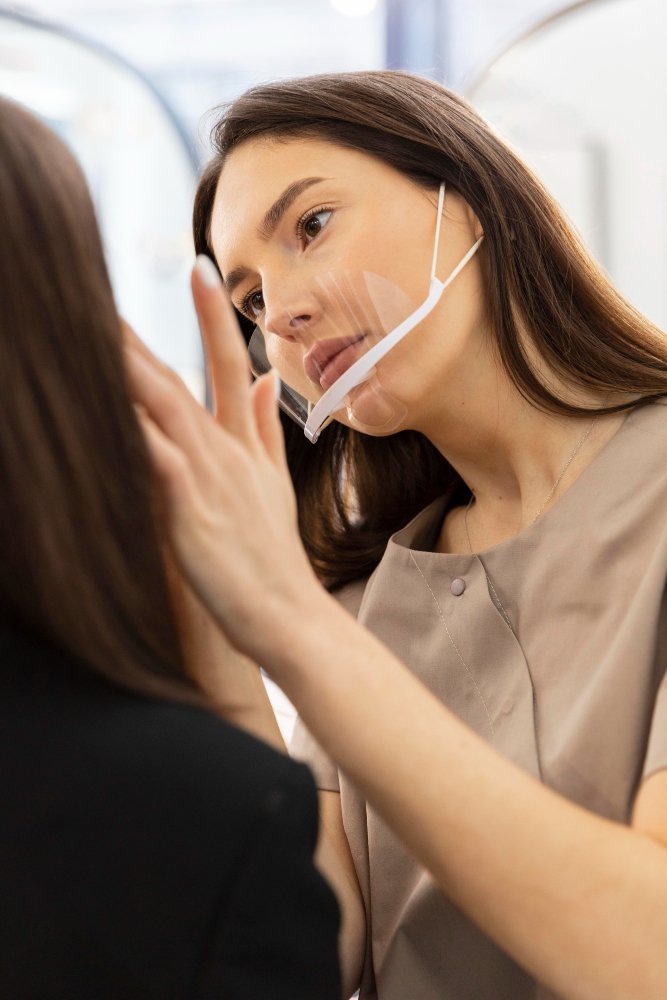
Facial surgical scar quality optimization begins long before the first entry incision is ever made on the operating table, demanding a sophisticated understanding of both surface cutaneous conditions and internal systemic inflammation. The overall quality of scars after facial surgery is one of the primary concerns for patients seeking comprehensive facial rejuvenation procedures.
Although advanced surgical technique, gentle tissue handling, and the surgeon’s extensive experience are absolutely fundamental to a good result, the truth is that facial healing goes far beyond the operating room. Individual patient factors play a decisive, non-negotiable role in the final aesthetic outcome.
Your unique skin conditions, underlying inflammatory predispositions, and even your overall metabolic health status directly influence how your body responds to surgical trauma. Therefore, understanding these biological elements is essential to achieve more natural, safe, and predictable results.
If you are currently exploring advanced structural anti-aging treatments and require elite global standards of patient care, organizing your Plastic Surgery in Brazil connects you with premier medical teams celebrated for integrating strict cutaneous pre-conditioning into their surgical protocols.
Why Healing Does Not Depend Only on Surgical Technique
It is an incredibly common misconception among aesthetic patients to believe that a thin, flat, and perfect scar depends exclusively on the surgeon’s fine technical skill or the specific type of suture material used. While these intra-operative factors are undoubtedly important for reducing wound tension, they represent only a single part of a massive biological timeline.
Surgical wound healing is a highly complex, multi-phase biological phenomenon involving an intricate cascade of immediate cellular inflammation, new tissue regeneration, and structural collagen remodeling. Every single human organism responds differently to this intense cellular process.
Because of these deep biological variations, two separate patients undergoing the exact same procedure by the same surgeon may experience completely different scarring outcomes. Prioritizing facial surgical scar quality optimization means looking beyond the scalpel and focusing on the cellular environment of the individual patient.

Individual Dermatological Factors That Influence Healing Patterns
Among the main individual factors affecting the structural quality of a facial scar are pre-existing, often unmanaged dermatological and inflammatory skin conditions. Chronic cutaneous diseases such as active rosacea, psoriasis, or seborrheic dermatitis can significantly increase baseline skin sensitivity.
These common conditions trigger a much stronger, dysregulated inflammatory response immediately after surgical trauma. This hyper-reactive biological state may result in more reddish, thick, or raised scars, while dramatically lengthening the time it takes for the tissue to mature.
Furthermore, what specialists refer to as low-grade metabolic inflammation—frequently associated with systemic conditions such as insulin resistance, poor nutritional habits, or chronic stress—can also negatively interfere with deep tissue repair. A human body locked in a pro-inflammatory state tends to respond much less efficiently to standard tissue repair signals.
Proactively calming these reactive pathways is a central goal of facial surgical scar quality optimization. To learn more about customized pre-operative health screenings, advanced skin-conditioning treatments, and fully certified hospital safety infrastructure, you can visit the main Belvivere medical group website.
The Undeniable Importance of a Rigorous Preoperative Skin Assessment
Before scheduling any invasive facial surgery, a highly detailed, multi-layered evaluation of the patient’s baseline skin envelope is absolutely essential. This comprehensive medical assessment helps the surgical team identify subtle hidden conditions that could later interfere with normal collagen synthesis and, if necessary, allows them to treat these issues weeks in advance.
Controlling active dermatological diseases, stabilizing baseline inflammatory responses, and preparing the skin matrix for surgery are key steps for optimizing final aesthetic results. In many cases, successful healing begins long before the physical procedure itself.
This meticulous pre-operative preparation may include the strategic use of medical-grade skincare products, targeted topical anti-inflammatory treatments, specific adjustments in daily skincare routines, and even total lifestyle modifications to lower systemic oxidative stress.
The Role of Controlled Inflammation in Achieving Smooth Scar Outcomes
While localized inflammation is a completely natural, necessary part of the early healing process, an uncontrolled or prolonged inflammatory phase will always negatively affect the final cosmetic result. Excessive, unmanaged inflammation leads directly to hyper-vascularity, which causes thicker, irregular scars, localized hyperpigmentation, or prolonged redness that can last for many months.
Conversely, a well-controlled, calm inflammatory environment promotes a much smoother, more uniform, and visually pleasing healing journey. For this reason, stabilizing the skin’s internal environment before and after surgery remains one of the foundational pillars of facial surgical scar quality optimization.
By keeping the cellular response balanced, the body can focus on building organized type-I collagen fibers rather than chaotic, raised scar tissue. To review real, long-term before-and-after photographic records illustrating how structured pre-conditioning leads to beautifully hidden incisions, you can check our registry here: Check out the results of some patients.
Implementing Customized Postoperative Protocols for Facial Surgical Scar Quality Optimization
Another essential factor for determining long-term incision quality is a strictly personalized approach to postoperative care. There is no single healing protocol that works perfectly for all patients, as each individual biological profile responds uniquely to the phases of tissue remodeling.
A truly customized postoperative care routine allows for real-time adjustments based on how the patient’s scar is evolving week by week. This specialized care may include the timely application of targeted topical silicone gels, advanced fractionated laser therapies, regenerative nanofat procedures, or localized micro-doses of anti-inflammatory agents to control early tissue redness.
Close, continuous monitoring by your plastic surgeon during this delicate period is completely essential to intervene early if any minor deviation from the expected healing pattern occurs. Embracing these advanced modalities is a primary component of facial surgical scar quality optimization that safeguards your aesthetic investment.
Why the Plastic Surgeon’s Responsibility Extended Beyond the Operating Room
Although the physical surgery itself is a critical, highly technical step, a premier surgeon’s work never ends once the final knot is tied in the operating theater. Detailed pre-operative patient evaluation, individualized lifestyle planning, and continuous, hands-on postoperative follow-up are equally important for achieving flawless, natural aesthetic outcomes.
An experienced, board-certified professional understands that each patient carries a completely unique biological profile and that wound healing is a highly multifactorial process. Therefore, the medical approach must always be deeply personalized to match your specific tissue behavior.
Proactive Habits Patients Can Adopt to Enhance Their Healing Matrix
Patients play a major, active role in securing a discreet, beautiful scar by following clinical guidelines closely. By adopting healthy habits, you directly assist your body’s natural repair mechanisms.
Key actions to take include:
Stopping all nicotine use at least one month before and after surgery to protect capillary blood flow.
Following a high-protein nutrition plan enriched with Vitamin C and Zinc to support new collagen production.
Keeping all healing incisions completely protected from direct UV sunlight to prevent permanent hyperpigmentation.
Avoiding any premature tension, pulling, or stretching of the healing facial tissues during the first six weeks.
Conclusion: Achieving True Harmony Through Biological Preparation
In conclusion, the ultimate appearance of a facial scar does not depend solely on technical closure excellence, but on a delicate combination of biological, dermatological, and systemic metabolic factors. Common conditions such as unmanaged rosacea, active seborrheic dermatitis, and high systemic inflammation can directly alter the final cosmetic result.
For this reason, a careful pre-operative skin assessment, the strict control of internal inflammatory processes, and a highly personalized postoperative care routine are essential steps to achieve discreet, natural, and virtually unnoticeable scars.
When all of these vital biological factors are considered together, your final results go far beyond basic technical excellence and become truly optimized for your specific body. Prioritizing facial surgical scar quality optimization ensures a safe, predictable, and beautifully elegant rejuvenation journey. For further clinical insights into advanced pre-operative health screenings and personalized skin pre-conditioning checklists, you can always connect with the main Belvivere medical team.