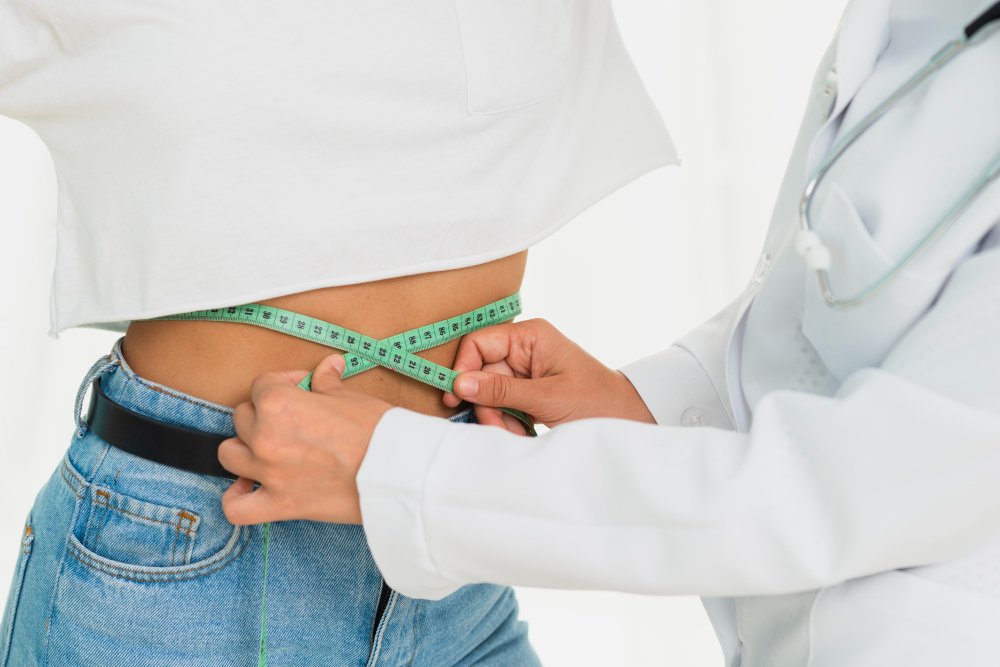
Is liposuction a weight loss method? This is one of the most widespread misconceptions in the world of aesthetic surgery. The definitive answer is no—liposuction is not designed for shedding significant pounds or treating obesity. Instead, it is a highly specialized body contouring procedure engineered to reshape specific areas of the body by removing localized, stubborn fat deposits that resist diet and exercise.
When individuals struggle with pockets of fat that refuse to budge despite a healthy lifestyle, they often look for surgical solutions. However, confusing fat removal with overall weight reduction can lead to unrealistic expectations and unsatisfactory outcomes. To fully appreciate the benefits of this treatment, it is essential to understand the core differences between losing weight and sculpting your silhouette.
Clarifying the Misconception: Is Liposuction a Weight Loss Method or Contouring?
To evaluate the question, is liposuction a weight loss method?, we must examine what happens to the body during the procedure. The surgical process physically suctions out subcutaneous fat cells from targeted zones, such as the abdomen, hips, thighs, or under the chin. While this process removes physical mass, the actual weight of the extracted fat is relatively low.
A person may notice a dramatic transformation in how their clothes fit and how their body contours look, but the numbers on the scale will barely budge. This reality surprises many people who expect a dramatic drop in weight post-surgery. Therefore, when asking is liposuction a weight loss method?, medical professionals emphasize that the surgery changes your shape, not your scale weight.
Understanding Fat Cells: Weight Loss vs. Contouring
The biological response to lifestyle changes helps explain why is liposuction a weight loss method? is answered with a negative.
During Traditional Weight Loss: When you exercise and eat a balanced diet, the fat cells throughout your entire body shrink in size, but their total number remains the same. If you gain weight later, those same cells expand again.
During Liposuction: The surgeon permanently removes a specific percentage of fat cells from a localized pocket. Because those cells are gone forever, that specific area will have a permanently altered contour, even if you experience minor weight fluctuations in the future.

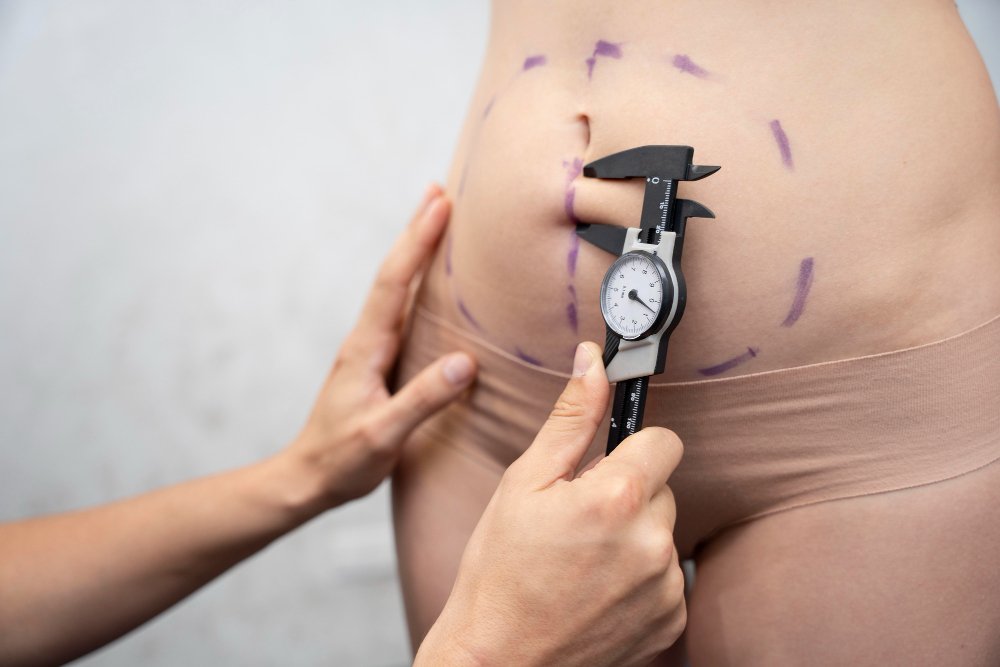
The Safety Limits of Fat Removal
Another crucial reason why the answer to is liposuction a weight loss method? is a strict no involves strict medical safety guidelines. There is a physiological limit to how much fat can be safely extracted from the human body during a single surgical session.
+-------------------------+---------------------------------------------------------+
| Aspect                  | Liposuction Safety Standards                            |
+-------------------------+---------------------------------------------------------+
| Maximum Safe Removal    | Typically limited to 5 liters (about 11 pounds) of fluid |
| Primary Goal            | Targeted fat reduction and silhouette refinement       |
| Ideal Patient Profile   | Individuals within 30% of their goal body weight        |
+-------------------------+---------------------------------------------------------+
Removing too much fat at once can lead to severe fluid shifts, internal dehydration, and an increased risk of surgical complications. Because safety is always the highest priority, surgeons will never use the procedure to remove large amounts of fat for heavy weight reduction.
Ideal Candidates: Who Benefits Most If It Isn’t for Losing Weight?
Since we have established the facts regarding is liposuction a weight loss method?, you might wonder who the ideal candidate actually is. The best results are achieved by individuals who are already close to their ideal weight but struggle with genetic fat distribution.
When planning a body contouring journey, choosing a world-class center for Plastic Surgery in Brazil ensures you receive a thorough medical evaluation. Top surgeons look for patients with good skin elasticity and stable lifestyle habits, ensuring that the new contours remain crisp and beautiful for years to come.
The Importance of Realistic Expectations
Patients who understand that the surgery is for shaping rather than slimming report much higher satisfaction rates. If a patient goes into surgery hoping to drop multiple clothing sizes or cure a weight problem, they will likely be disappointed by the clinical reality.
If you would like to see how effective this procedure is when used correctly for shaping, you can Check out the results of some patients who achieved incredible, balanced transformations. Seeing these real-world examples helps reinforce why the distinction of is liposuction a weight loss method? matters so much for final visual success.
Secondary Subtitle: Health Benefits Beyond the Scale
When discussing is liposuction a weight loss method?, it is also worth exploring the secondary health and metabolic impacts of targeted fat extraction. While it does not treat systemic obesity, reducing localized fat can provide positive biological feedback.
Tertiary Subtitle: The Impact of Liposuction on Metabolic Health
Research indicates that removing subcutaneous fat can sometimes lead to localized improvements in metabolic markers. For example, some patients experience slight drops in circulating blood lipids or improvements in insulin sensitivity after a contouring procedure. However, these minor metabolic shifts do not replace the profound, systemic health benefits achieved through natural weight management and cardiovascular exercise. Therefore, even from a metabolic perspective, the surgery cannot be viewed as a shortcut to physical fitness.
The Role of Diet and Exercise After Surgery
Maintaining your surgical results requires a long-term commitment to healthy living. Because the surgery alters your body shape permanently, any future weight gain will be distributed differently, often accumulating in untreated areas of the body.
Commit to Cardiovascular Exercise: Regular workouts help keep your remaining fat cells small, preserving the sleek lines created by your surgeon.
Prioritize Whole Foods: A balanced diet rich in lean proteins, vegetables, and complex carbohydrates prevents the expansion of remaining fat deposits.
Stay Hydrated: Drinking plenty of water supports tissue healing during recovery and maintains optimal metabolic function long after your incisions have healed.
Choosing a Qualified Surgical Team
Achieving a beautifully balanced, natural silhouette requires exceptional surgical artistry and deep anatomical knowledge. If you are ready to explore your options for premium body sculpting, you can discover the advanced care offered at Belvivere.
A reputable surgical team will always be transparent with you during your initial consultation. They will directly address the question, is liposuction a weight loss method?, ensuring you understand the true nature of the procedure before moving forward with your body transformation goals.
In conclusion, while liposuction is an outstanding tool for erasing stubborn fat pockets and enhancing your natural curves, it must never be viewed as a weight loss strategy. By approaching the procedure with an accurate understanding of its capabilities, maintaining a stable baseline weight, and partnering with experienced board-certified plastic surgeons, you can safely achieve a sculpted, confident, and beautifully proportioned physique.