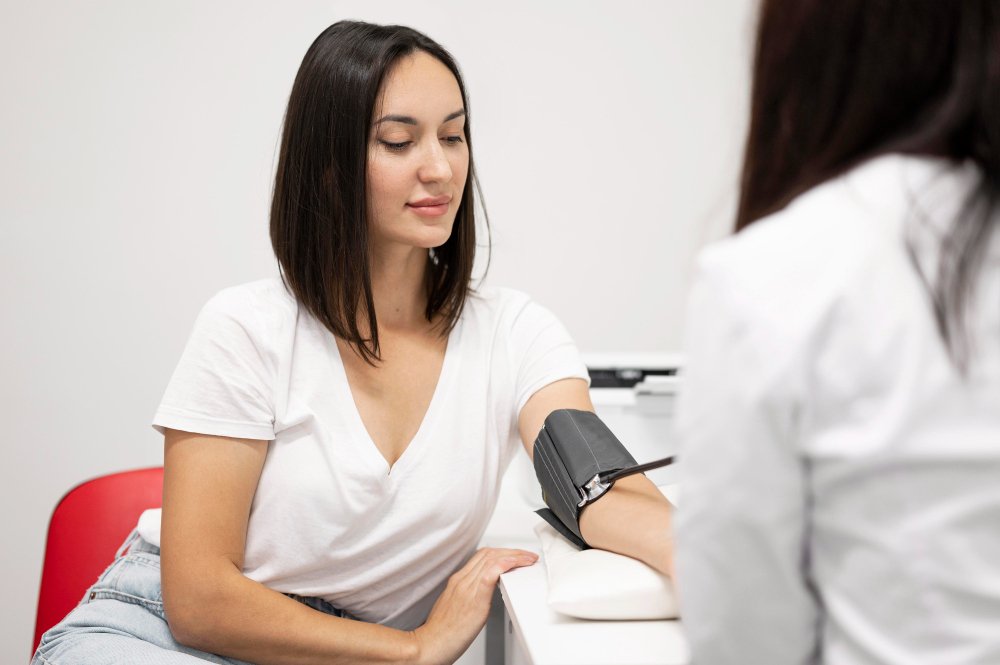
Low blood pressure after plastic surgery can occur after anesthesia, fasting, medication or reduced fluid intake. It should never be dismissed automatically, however, because bleeding and other postoperative complications can also lower blood pressure. The meaning of a reading depends on the patient’s usual blood pressure, symptoms, heart rate, procedure and clinical examination.
What can cause postoperative hypotension?
| Possible cause | What the team evaluates |
|---|---|
| Residual anesthesia or medication | Timing, sedation, breathing, heart rate and medication doses |
| Fasting, nausea or dehydration | Oral intake, urine output, vomiting and fluid balance |
| Blood loss or hematoma | Dressings, drains, swelling, pallor, pain and laboratory findings when indicated |
| Orthostatic hypotension | Symptoms when sitting or standing and fall risk |
| Medical causes | Cardiac, infectious, allergic or thromboembolic signs |
A single number does not establish the diagnosis. Some people normally have lower readings, while a modest change may be significant for someone with hypertension or cardiovascular disease.
Symptoms that require prompt assessment
Dizziness, weakness, blurred vision, nausea or faintness should be reported to the surgical team. Urgent assessment is needed for fainting, confusion, worsening shortness of breath, chest pain, cold or clammy skin, rapidly increasing swelling, unexpected bleeding, severe weakness or a fast heart rate associated with low pressure. Emergency services should be contacted when symptoms are severe or the surgical team cannot be reached promptly.
What not to do without medical guidance
Patients should not assume that water, salt, sports drinks or stopping a prescribed medication will solve the problem. The appropriate response may range from supervised oral intake to examination, blood tests, intravenous fluids or treatment of bleeding. Fluid and sodium recommendations must be individualized, particularly for patients with heart, kidney or blood-pressure conditions.
To reduce the risk of a fall, sit up gradually and stand only with assistance if lightheaded. Follow the discharge instructions and use a home monitor only when the team has explained how and when to measure; it does not replace clinical assessment.
Why hospital monitoring matters
At Belvivere, major procedures are performed in a hospital, where the anesthesiology and nursing teams monitor blood pressure, oxygenation, temperature, fluid balance and recovery from anesthesia. Safety also begins before surgery through medical history, examination, medication review and appropriate testing. Read more about plastic surgery safety and preoperative preparation.
Guidance for international patients
Travel should not be scheduled around an assumed recovery deadline. International patients need local postoperative support and examination before flight clearance. Belvivere’s concierge team assists with logistics, while medical decisions remain with the clinical team. Major facial procedures generally require a planned stay of at least 15 days in Brazil, adjusted to the operation and recovery.
Key point
Postoperative low blood pressure is sometimes temporary, but it is a clinical finding—not a diagnosis. Report symptoms early so the team can distinguish an expected medication or fluid effect from a complication requiring treatment.