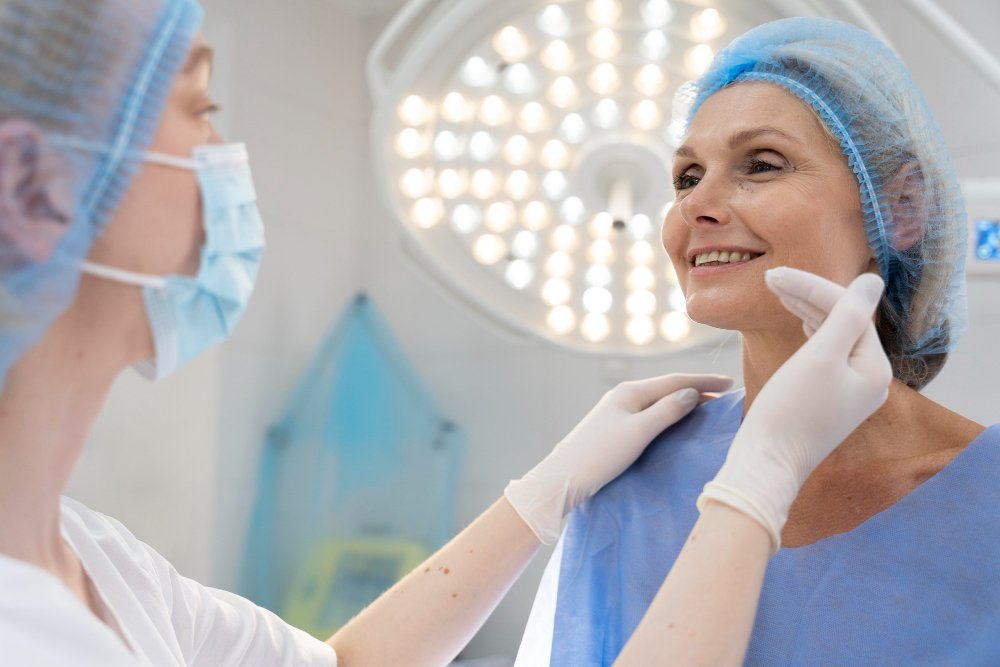
Malar edema is a specialized medical term that refers to the localized accumulation of fluid over the malar mounds, which are located on the upper cheekbones and just below the lower outer corner of the eyes. This specific type of swelling can occur due to various reasons, ranging from natural systemic fluid retention and allergic reactions to expected post-operative recovery phases following sophisticated facial surgeries. Understanding the underlying anatomy of the midface region is crucial for identifying why this fluid accumulates and how it can be efficiently managed or prevented.
When individuals undergo advanced aesthetic treatments to enhance their facial contours, managing malar edema becomes a vital component of the recovery journey. Because the lymphatic drainage network in the upper cheek area is highly delicate, any minor disruption can lead to temporary fluid collections that require specialized care and patience to completely resolve.
The Complex Anatomy Behind Malar Edema
To understand why fluid settles in this specific location, one must look closely at the structural architecture of the middle third of the face. The malar region consists of distinct layers of skin, superficial fat, muscles, and deep retaining ligaments that anchor the soft tissues to the underlying facial bones.
The lymphatic vessels in this zone run horizontally and drain toward the lymph nodes located near the ears and the jawline. Because this drainage pathway relies on a very specific structural flow, any swelling or tissue manipulation can easily cause a temporary backup of fluid. This accumulation manifests visibly as malar edema, creating a puffy or slightly raised appearance on the cheekbones that can sometimes take longer to subside than general facial swelling.
Why the Midface Region is Prone to Swelling
The tissues directly beneath the eyes and over the cheekbones are highly compliant, meaning they can easily expand to accommodate excess interstitial fluid. Unlike other areas of the face where the skin is tightly bound to denser muscle groups, the sub-orbital zone features loose connective tissue layers.
This anatomical characteristic explains why systemic issues, lack of sleep, or local trauma lead to noticeable swelling right here. When malar edema develops, it can alter the natural contours of the midface, making the eyes appear tired and masking the underlying youthful definition of the cheekbones.
Primary Causes of Midface Fluid Accumulation
While local tissue fluid retention can happen to anyone occasionally, persistent or noticeable swelling in the upper cheek area typically stems from specific medical or post-surgical factors.
Post-Operative Healing and Tissue Recovery
One of the most frequent scenarios where clinicians observe malar edema is during the normal healing period following facial plastic surgeries, such as deep plane facelifts, lower blepharoplasties, or midface lifts. During these precise procedures, the surgeon carefully maneuvers through deep anatomical planes to reposition sagging tissues and restore youthful volumes.
This structural alteration temporarily disrupts the microscopic lymphatic channels that are responsible for pumping fluid out of the face. Until these tiny vessels naturally reconnect and heal, fluid gathers in the compliant spaces of the upper cheek, resulting in post-surgical malar edema. This is a completely expected part of the inflammatory cascade that accompanies any major physical transformation.
Dermal Fillers and Non-Surgical Enhancements
In recent years, the widespread use of cosmetic injectables has introduced another common cause for this issue. When high volumes of hyaluronic acid dermal fillers are placed improperly or too superficially near the tear trough or the cheekbones, they can act like a sponge, drawing excessive water to the area.
This hydrophylic reaction can inadvertently compress the adjacent native lymphatic pathways. The resulting localized swelling, often referred to by specialists as filler-induced malar edema, requires careful evaluation. In many cases, managing this side effect involves using specialized enzymes to gently break down the excess product and restore normal fluid circulation.
Advanced Treatment Options for Malar Edema
Addressing fluid retention over the cheekbones requires a multi-faceted approach that targets both the immediate fluid accumulation and the underlying structural cause.
The Power of Specialized Manual Therapy
When dealing with persistent post-operative malar edema, specialized manual physical therapy stands out as one of the most effective solutions available. Trained therapists utilize extremely light, rhythmic hand movements designed to stimulate the sluggish lymphatic system.
By opening alternative drainage pathways and gently pushing the trapped fluid toward functional lymph nodes, manual lymphatic drainage drastically reduces the intensity and duration of malar edema. This proactive clinical approach ensures that the delicate tissues return to their natural state much faster, revealing the sharp, refined contours achieved during surgery.
Innovative Modalities and Supportive Care
Microcurrent Therapy: This low-level electrical current stimulates cellular activity and improves local circulation, helping the body reabsorb trapped fluids efficiently.
Taping Techniques: Applying specialized elastic therapeutic tape to the face helps elevate the skin microscopically, creating space for improved lymphatic flow.
Cold Compression: Using specialized cold compresses during the initial stages of swelling helps constrict blood vessels and minimizes the initial onset of malar edema.
Planning Facial Enhancements and Ensuring Safe Recovery
For international patients seeking exceptional medical care, traveling to premier destinations for facial rejuvenation is a highly rewarding path. Ensuring a recovery free from prolonged complications requires working with elite medical teams who prioritize comprehensive post-operative care.
Virtual Consultations and Pre-Surgery Planning
A successful surgical outcome begins with an exhaustive digital evaluation. During these detailed online sessions, patients discuss their goals and learn how their specific anatomy might react to deep tissue manipulation.
Surgeons use this time to explain the likelihood of developing temporary post-surgical malar edema and outline the exact protocols that will be implemented to combat it. This thorough preparation ensures that patients travel with realistic expectations and a complete understanding of their healing timeline.
Seamless Logistics for Global Patients
Top-tier clinics provide comprehensive concierge services to handle the logistics of traveling abroad for care. When organizing your Plastic Surgery in Brazil, bilingual coordinators manage every detail of your stay.
From arranging private transport to securing peaceful recovery accommodations equipped for post-operative therapies, every step is designed to minimize stress. Reducing physical exertion and resting in a controlled environment is essential for preventing increased blood pressure, which can exacerbate malar edema during the early days of recovery.
Timeline of Fluid Resolution: What to Expect
Patience is a fundamental virtue when recovering from facial interventions, as delicate structures heal at their own individual pace.
The First Two Weeks
During the immediate fourteen days following a facial procedure, malar edema typically reaches its peak intensity. The midface may feel tight, firm, or uneven as the inflammatory phase runs its course. Patients are instructed to keep their head elevated at all times, even while sleeping, to encourage gravity to assist in draining the excess fluids away from the eye area.
Long-Term Maturation
Between the third week and the third month, the vast majority of the swelling dissipates. However, subtle residual malar edema can fluctuate depending on factors like dietary salt intake, local ambient temperature, and physical activity levels. The final, crisp definitions of the cheekbones and lower eyelids fully emerge once the lymphatic system has completely remodeled itself.
Selecting a Premium Facility for Your Facial Journey
The key to minimizing risks like prolonged fluid retention lies in choosing a clinic with cutting-edge infrastructure and profound anatomical expertise.
Clinical Excellence and Patient Safety
An elite clinical setting must combine state-of-the-art surgical technology with a deep understanding of patient aftercare. Surgeons who possess advanced training know exactly how to preserve delicate lymphatic networks during surgery, directly reducing the severity of subsequent malar edema.
Furthermore, a dedicated medical team must be available to monitor your daily progress and adjust your recovery plan whenever necessary. Clear communication ensures that any sign of unexpected swelling is addressed immediately with targeted therapies.
If you are looking for an international benchmark of safety, sophistication, and personalized medical attention, you should explore the work of the specialized team at Belvivere. Operating from a world-class facility, they focus on delivering natural, harmonious results while providing an unparalleled level of comfort and advanced post-operative care.
To see the beautiful, refined outcomes that can be achieved when advanced surgical techniques are combined with meticulous recovery protocols, Check out the results of some patients who achieved their aesthetic goals with complete peace of mind.
Embracing a Guided and Confident Recovery
Experiencing temporary malar edema is a common milestone on the road to achieving a fully rejuvenated, vibrant facial appearance. By understanding the anatomical reasons behind this localized swelling and choosing a medical team that treats post-operative care with the highest level of priority, you can navigate your healing journey with complete confidence.
With the right combination of patience, advanced manual therapies, and expert medical guidance, the temporary fluid retention will fade away, leaving behind a beautifully refreshed, youthful, and naturally balanced reflection that lasts for years to come.