Safety in plastic surgery is not created by a single device, medication or technique. It is a chain of decisions that begins with patient selection and continues through medical preparation, hospital care, anesthesia, surgical scope and postoperative monitoring.
Five layers of surgical safety
| Layer | What should be assessed |
|---|---|
| Patient selection | Health conditions, nicotine, weight stability, expectations and emotional readiness |
| Preoperative preparation | Medications, supplements, GLP-1 use, anemia, tests and previous procedures |
| Procedure planning | Indication, operating time, combined procedures, scars and alternatives |
| Hospital and anesthesia | Qualified team, monitoring, emergency resources and individualized risk prevention |
| Recovery | Early review, warning signs, activity restrictions and continuity of care |
More surgery is not always better
Combining procedures can reduce the number of separate anesthetics, but it also increases operating time, swelling, mobility limitations and recovery demands. The safest plan may be a staged operation. Deep Plane, Deep Neck, video-assisted surgery, Hybrid Blepharoplasty and fat grafting are selected according to anatomy; no technique is inherently necessary or universally safer.
Risk factors that can change the plan
Nicotine impairs blood supply and healing. Unstable weight and rapid loss with GLP-1 medication can change facial volume and nutrition. Anticoagulants, hormones, supplements and other medications require individualized instructions—patients should never stop prescribed treatment without the responsible physician. A history of thrombosis, sleep apnea, cardiac disease, anemia or previous anesthesia complications needs specific evaluation.
Previous fillers, biostimulators, threads, PMMA, silicone and energy devices can modify surgical planes. Dermatologic ultrasound may help define selected materials. See the preoperative safety checklist.
Hospital and anesthesia matter
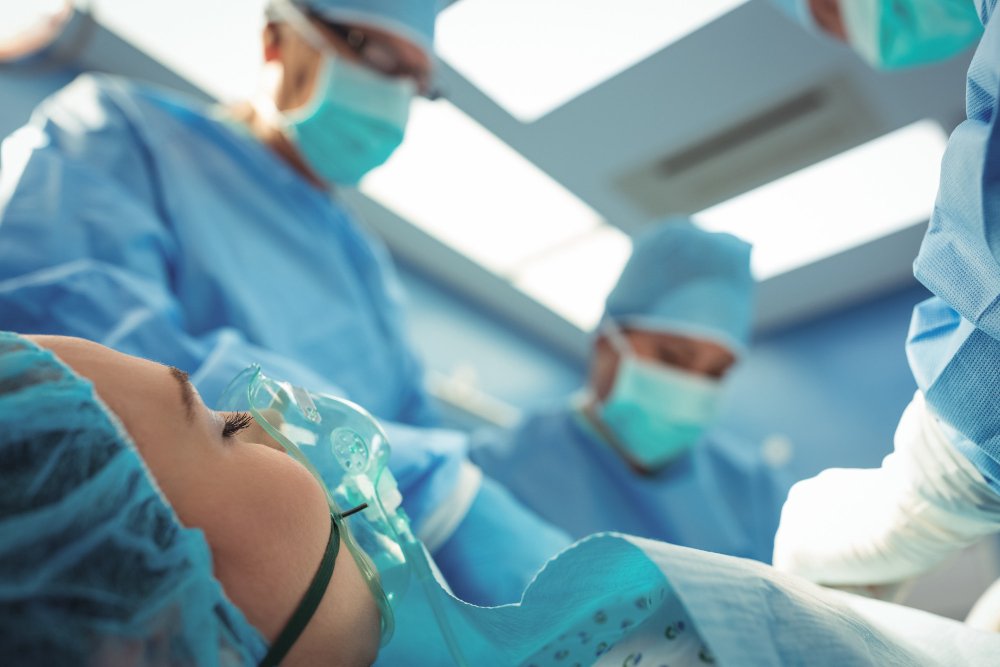
Monitoring does not eliminate risk, but it allows the team to recognize and respond to changes. Major facial procedures at Belvivere are planned at Hospital São José with an anesthesia team and postoperative observation. Prevention of bleeding, thrombosis, nausea, hypothermia and pain is adapted to the operation and patient—not applied as a universal formula.
Recovery requires realistic expectations
Swelling, bruising, fatigue, tightness, temporary numbness and asymmetry may occur. Hematoma, infection, thrombosis, breathing difficulty, visual symptoms, wound problems and neurological changes require prompt assessment. Clearance for work or air travel does not mean internal healing is complete.
Safety for international patients
Remote consultation starts screening but cannot replace the in-person examination. Patients need a companion, flexible accommodation, access to the team and enough time before flying. Major facial procedures commonly require at least 15 days in Brazil, adjusted individually. The concierge service supports logistics while medical decisions remain with the clinical team.
The safest plan may include saying no
Good surgical judgment includes postponing or declining treatment when health, expectations, nicotine exposure, recovery support or trust are inadequate. Surgery is not a menu: the indication should be clear enough that both patient and surgeon understand the expected benefit, limitations and risks.