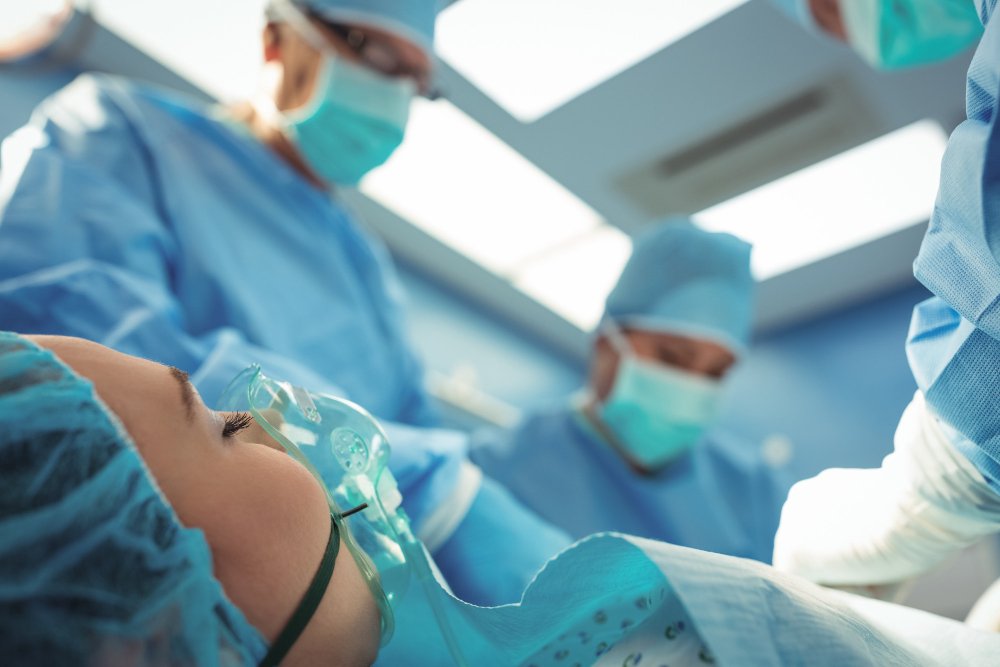
Hospital-based plastic surgery provides a level of infrastructure that is particularly important for longer operations, combined procedures and patients traveling from another country. It does not make surgery risk-free, but it strengthens preparation, monitoring and the response to unexpected events.
What the hospital contributes
A hospital brings together the operating room, trained nursing staff, anesthesiology, sterile processing, monitoring, laboratory and imaging support, and pathways for escalation of care. For major facial operations at Belvivere, surgery is performed at Hospital São José rather than in an office procedure room.
The setting matters because safety depends on more than the surgeon’s technique. It also depends on patient selection, the anesthetic plan, medication reconciliation, blood-pressure control, prevention of thrombosis, temperature management and postoperative observation.
Preoperative safety begins before admission
Before surgery, the team reviews medical conditions, allergies, prescriptions, supplements, nicotine exposure, previous anesthesia and recent changes in weight. GLP-1 medications require specific perioperative instructions because of their effect on gastric emptying. Any change must be guided by the surgical and anesthesia teams.
Facial patients should also disclose fillers, biostimulators, threads, PMMA, silicone and prior energy-based treatments. When products or tissue reactions cannot be characterized reliably by history and examination, dermatologic ultrasound may help map the area.
Anesthesia and intraoperative monitoring
The anesthesiologist evaluates the patient and selects the appropriate anesthetic strategy. Monitoring is adapted to the patient, procedure and duration of surgery. The aim is not simply unconsciousness: the team also manages ventilation, circulation, temperature, fluids, nausea prevention and a safe emergence from anesthesia.
Read more about anesthesia for facial surgery.
Why the scope of surgery still matters
A hospital does not justify treating every facial region in one operation. Longer procedures can increase fatigue, swelling and some medical risks. Combining a brow lift, blepharoplasty, facelift, neck surgery and fat grafting may be appropriate for selected patients, while others are safer with a limited operation or staged treatment.
The safest plan may therefore be to simplify, divide, postpone or decline a procedure. No facility or device substitutes for sound indication.
Postoperative observation and warning signs
After surgery, observation focuses on airway, circulation, pain, nausea, bleeding and the function of the treated areas. Following facial surgery, rapidly increasing one-sided swelling, breathing difficulty, severe eye pain, loss of vision, chest pain or shortness of breath requires urgent assessment.
Once discharged, the patient continues with scheduled reviews near the team. International patients should not arrange an early fixed departure; major facial surgery commonly requires at least 15 days in Brazil, adjusted to the actual recovery.
Hospital care and concierge support have different roles
The hospital provides clinical infrastructure. Belvivere’s concierge team supports practical logistics such as transportation and accommodation. Both contribute to an organized journey, but medical decisions remain with the surgical and anesthesia teams. More details are available on the hospital care page.