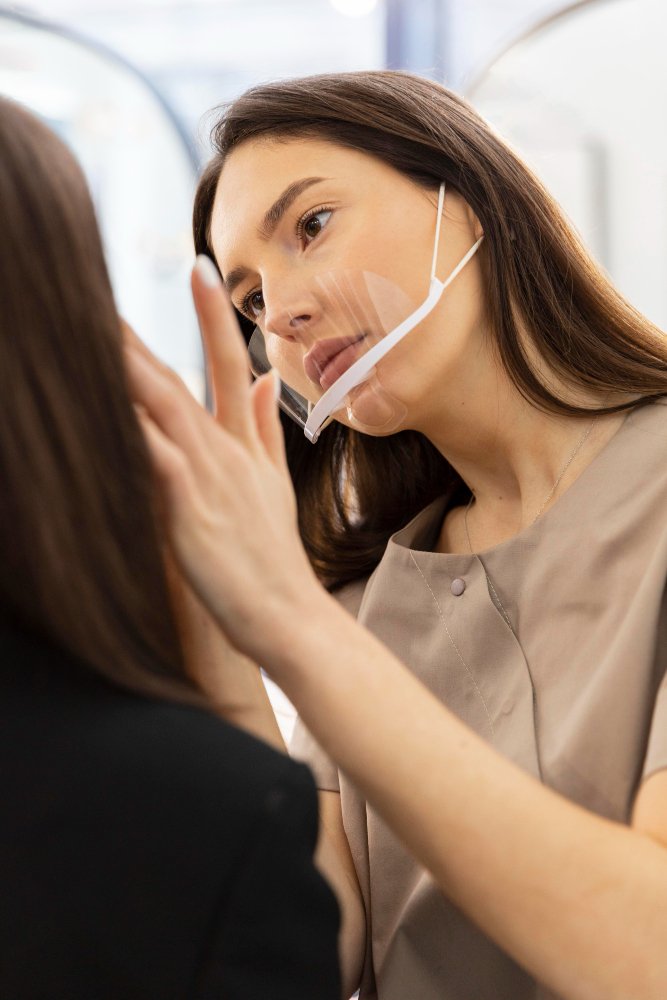
Choosing a plastic surgeon in Brazil requires more than checking social media, memberships or before-and-after photographs. International patients should verify training, procedure-specific experience, hospital arrangements, communication, informed consent and the plan for complications and follow-up.
A practical verification checklist
| Criterion | What to verify |
|---|---|
| Medical registration | Active Brazilian medical registration and specialist qualification in plastic surgery. |
| Professional societies | Memberships such as SBCP, ISAPS or ASPS can provide context, but do not guarantee an outcome. |
| Relevant practice | Experience evaluating and treating the specific anatomical problem—not merely offering a named technique. |
| Surgical setting | Where surgery and anesthesia recovery occur, and which resources are available if care escalates. |
| Consent process | Discussion of alternatives, limitations, scars, risks, recovery and reasons not to operate. |
| Follow-up | In-person schedule, emergency access, minimum local stay and communication after returning home. |
Diagnosis should come before technique
A surgeon should be able to explain what is causing the concern and which structures the proposed operation will—and will not—change. For facial rejuvenation, this may require separate assessment of the brow, eyelids, midface, lower face, neck, volume and skin.
Terms such as Deep Plane, video-assisted surgery, “ponytail lift,” Hybrid Blepharoplasty or Deep Neck should not be used as automatic evidence of expertise. No technique is universally superior. The plan should preserve anatomy, function, expression and facial identity while respecting realistic limits.
Ask how previous treatments affect the plan
Disclose fillers, biostimulators, threads, permanent products, laser or energy treatments and previous operations. A responsible surgeon may request records or dermatologic ultrasound before facial surgery. Hiding prior procedures can impair diagnosis and increase uncertainty.
Review photographs carefully
- Compare consistent lighting, position, expression and follow-up interval.
- Look for several patients with concerns similar to yours.
- Remember that photographs show selected outcomes, not complication rates.
- Ask whether additional procedures, injectables or skin treatments contributed.
- Do not treat a digital simulation as a promise.
Evaluate the surgeon’s willingness to say no
Good patient selection includes recognizing when expectations, health, nicotine use, unstable weight, ocular disease, emotional readiness or travel constraints make surgery inappropriate. The safest recommendation may be a smaller operation, staged treatment, further medical evaluation, a period of observation or no surgery.
Hospital and anesthesia questions
At Belvivere, surgery is performed at Hospital São José in Criciúma. International patients should still ask who provides anesthesia, how they will be monitored, what tests are required and how unexpected admission or additional care would be handled. A hospital reduces gaps in access; it does not guarantee a complication-free recovery.
Plan the international journey before committing
Confirm the complete estimate, cancellation terms, accommodation, accompanying adult, medication access, postoperative appointments and minimum stay. After major facial surgery, Belvivere generally plans at least 15 days in Brazil, adjusted to the procedure and recovery. The concierge service can assist with logistics but does not replace medical care.
The consultation should support a decision—not a sale
Choose the surgeon whose explanation is anatomically coherent, whose limits are clear and whose follow-up plan remains credible if recovery is slower than expected. Feeling pressured, uncertain or unable to accept the risks is a reason to pause.