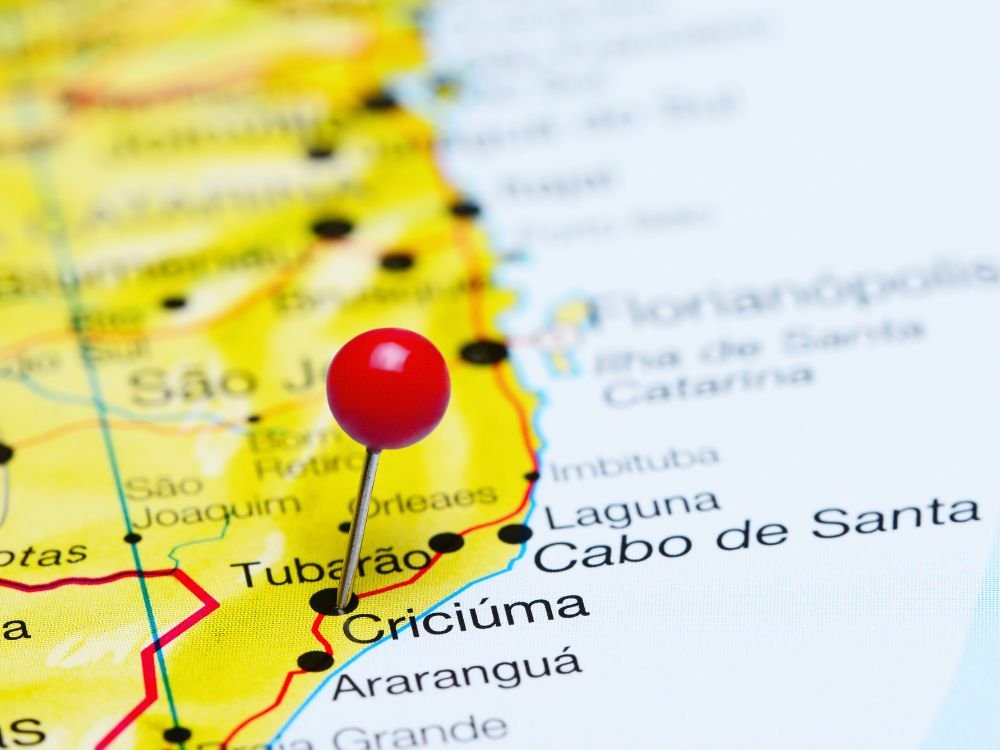
There is no objective “best” plastic surgery clinic for every patient. A more useful question is whether the surgeon, clinic, hospital pathway and follow-up plan are appropriate for the specific operation and health profile. For patients considering surgery in Criciúma, verifiable criteria are more valuable than awards, rankings or superlatives.
A clinic safety checklist
| Criterion | What to verify |
|---|---|
| Surgeon credentials | Recognized specialist training, board status and scope of practice |
| Procedure fit | Experience with the anatomy and operation being proposed |
| Hospital pathway | Operating environment, anesthesia team, monitoring and escalation resources |
| Patient selection | Willingness to limit, stage, postpone or contraindicate surgery |
| Informed consent | Clear discussion of scars, risks, limitations and alternatives |
| Follow-up | Scheduled reviews, urgent-contact plan and continuity after travel |
Clinic care and hospital surgery are different
Belvivere is based in Criciúma, Santa Catarina, but major plastic surgery is performed at Hospital São José rather than presented as a clinic-only procedure. Hospital infrastructure provides anesthesia, monitoring, diagnostics and escalation resources when needed. This reduces risk but cannot make an operation risk-free.
Choose the surgeon for the operation
Dr. June Favarin focuses on facial rejuvenation, including Hybrid Blepharoplasty, video-assisted brow and midface surgery, Deep Plane facelift, Neck Lift, Deep Neck and facial fat grafting. Dr. Eduardo Favarin performs facial, breast and body plastic surgery. Credentials and experience should be evaluated for the proposed operation rather than converted into an unsupported institutional ranking.
Diagnosis should come before technology
Advanced equipment can support care but does not determine whether surgery is indicated. Facial assessment should distinguish tissue position, volume, skin quality, eyelid function, skeletal support and neck anatomy. Fillers, PMMA, silicone, threads, surgery and energy treatments may alter the examination; dermatologic ultrasound can be useful when product or tissue response is uncertain.
Seven questions before choosing a clinic
- Where will the operation be performed?
- Who will administer anesthesia and monitor recovery?
- Which anatomical diagnosis supports the proposed procedure?
- What will remain untreated?
- Who manages a complication outside office hours?
- How long must I remain locally, and who clears me to fly?
- What costs may arise if recovery differs from the plan?
International-patient planning
A remote consultation begins the process, but the surgical plan is finalized after in-person examination. International patients need realistic time for assessment, recovery and scheduled reviews. Belvivere generally plans at least 15 days in Brazil after major facial surgery, individualized to healing.
The concierge team assists with accommodation, local transport and communication. It does not replace the surgeon, anesthesiologist or postoperative nursing team. Medical discharge and flight clearance remain clinical decisions.
Safety is a process, not a slogan
No clinic can guarantee natural results, invisible scars or an uncomplicated recovery. Useful evidence includes transparent credentials, appropriate hospital care, individualized indication, accessible follow-up and a team prepared to change or cancel a plan when safety requires it. Review Belvivere’s patient-safety framework and international preparation checklist.